
💬 these words are what … 30 years old❓ … and even now so many organisations confuse them … even use them interchangeably.
💬
💬
💬
💬
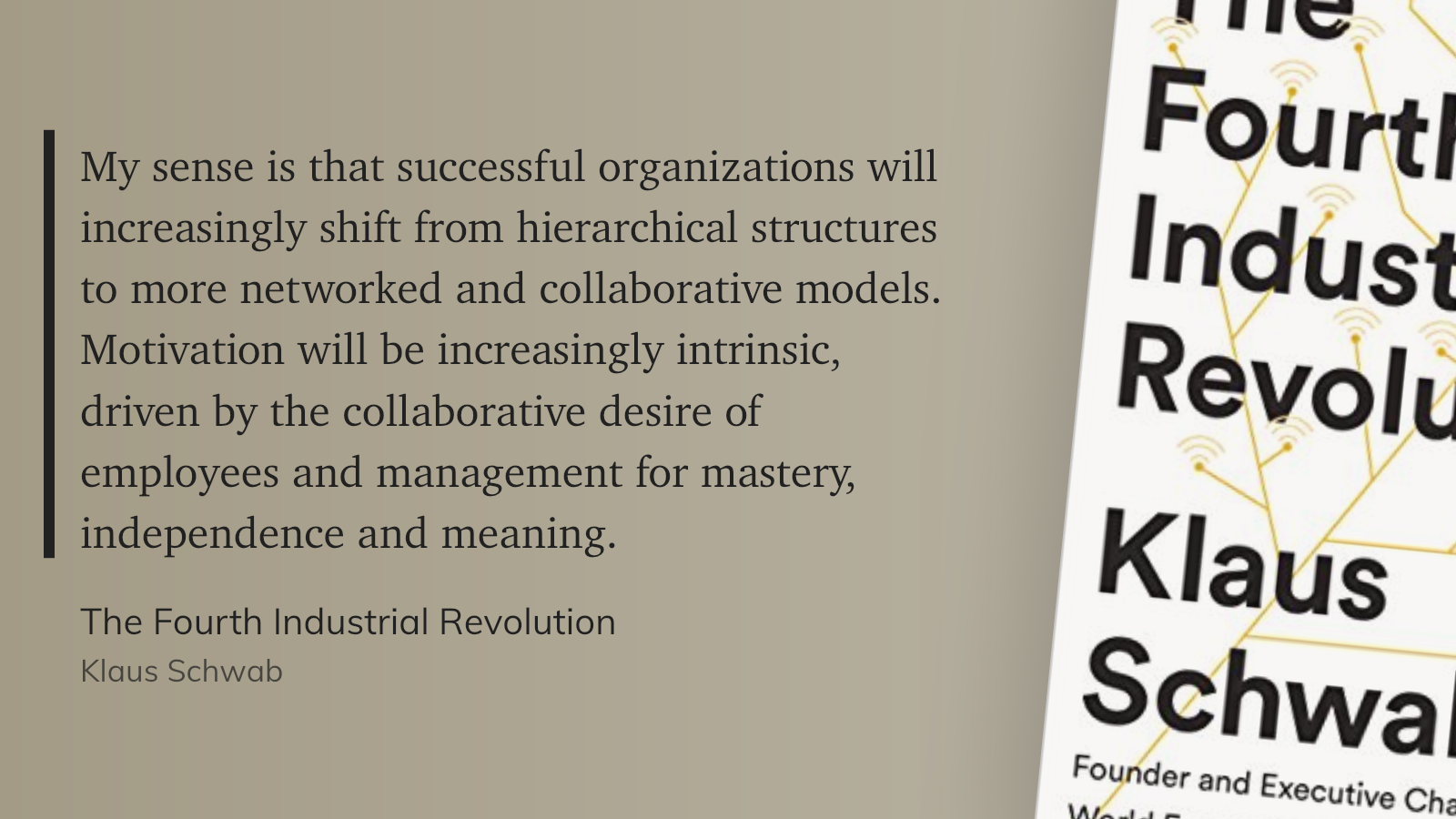
The secondary .. maybe primary … challenge is that we still look at organisations through a hierarchical lens using ‘Systems of Record’ designed to manage a world that is fast moving on.
💬
and to your surprise, the last four digits of the phone number of the owner are yours.
Or to put it another way …. I found my glasses on my head - taken to ’11’
🔗 X’s reverse eternal September
Why the onetime global town square now feels more like a clubhouse.
… I think he means ‘frathouse’ - and we know how those are working out.
What a great list of resources …
🔗 The RSS Universe — Readers, Tools & Standards
I have already dropped an issue on their Git to add Micro.Blog
🤯 A 28 year walk with a couple of swims❗️ 🔗 Karl Bushby completes English Channel swim Final leg - get from Kent to Hull.

I watched the 🎥 The Wrecking Crew. Relatively formulaic. It worked. Not hard now - but it worked.

I watched 🎥 Matchbox the Movie so you don’t have to. If you must - go for it. But please - don’t do it for me.
Work the exact hours, do precisely what’s asked, don’t ask questions and focus on what the boss wants.
We modeled ‘good worker’ behavior in school. “Will this be on the test?” was the key question for 100 years. Do what the teacher asks for, and don’t overthink it.
Satire Site Gets Ridiculous Threat Letter From Baseball Team; cc’s Barbra Streisand In Its Response
Somehow this has to stop. The lawsuits - not the responses.
3 Years ago - surfaced through 🎲 ‘Surprise’
“Wolf in sheep’s clothing” .. that’s how I see this Johnson chap. What about you?
Not really a surprise though.
WSJ Reporting …
Meta and Apple Team Up to Put Open-Weight AI on Macs
… just popping downstairs with a few friends to go ice skating in hell. ⛸️🔥
From Genesis To Revelation (2026 Mix) by Genesis
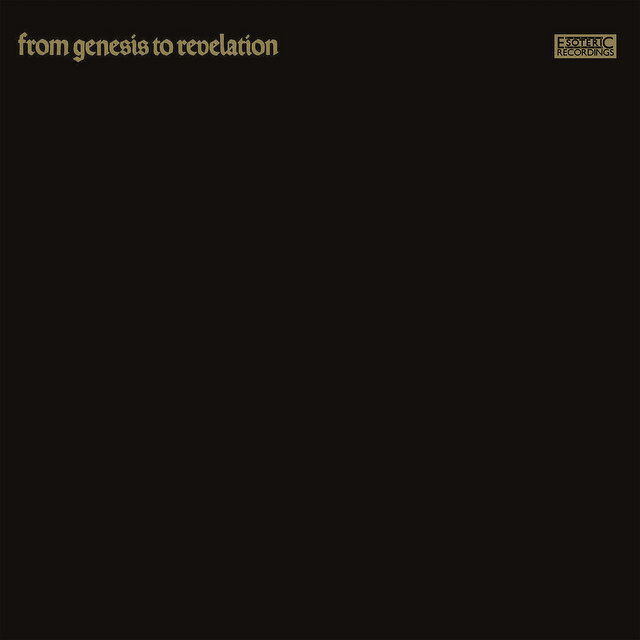
The album is not a surprise - loved it since I first heard it. Atmos mix, that is the surprise. Not even finished listening to it and already posting about it. Sadly, my listening experience is only in Stereo - but it still sounds different - turns out that Stephen Tayler’s
approach emphasises the band’s performances and reduces the prominence of the original orchestral overdubs.
(That will have pleased the boys who always disliked the heavy use of Orchestra that one J King did without input).
To me - it was and remains a stunning album to launch a career with - think about it ... Pete, Tony and Mike were 19, 18 and 18 respectively. (And their other guitarist - Anthony Phillips was just 17.)
💬
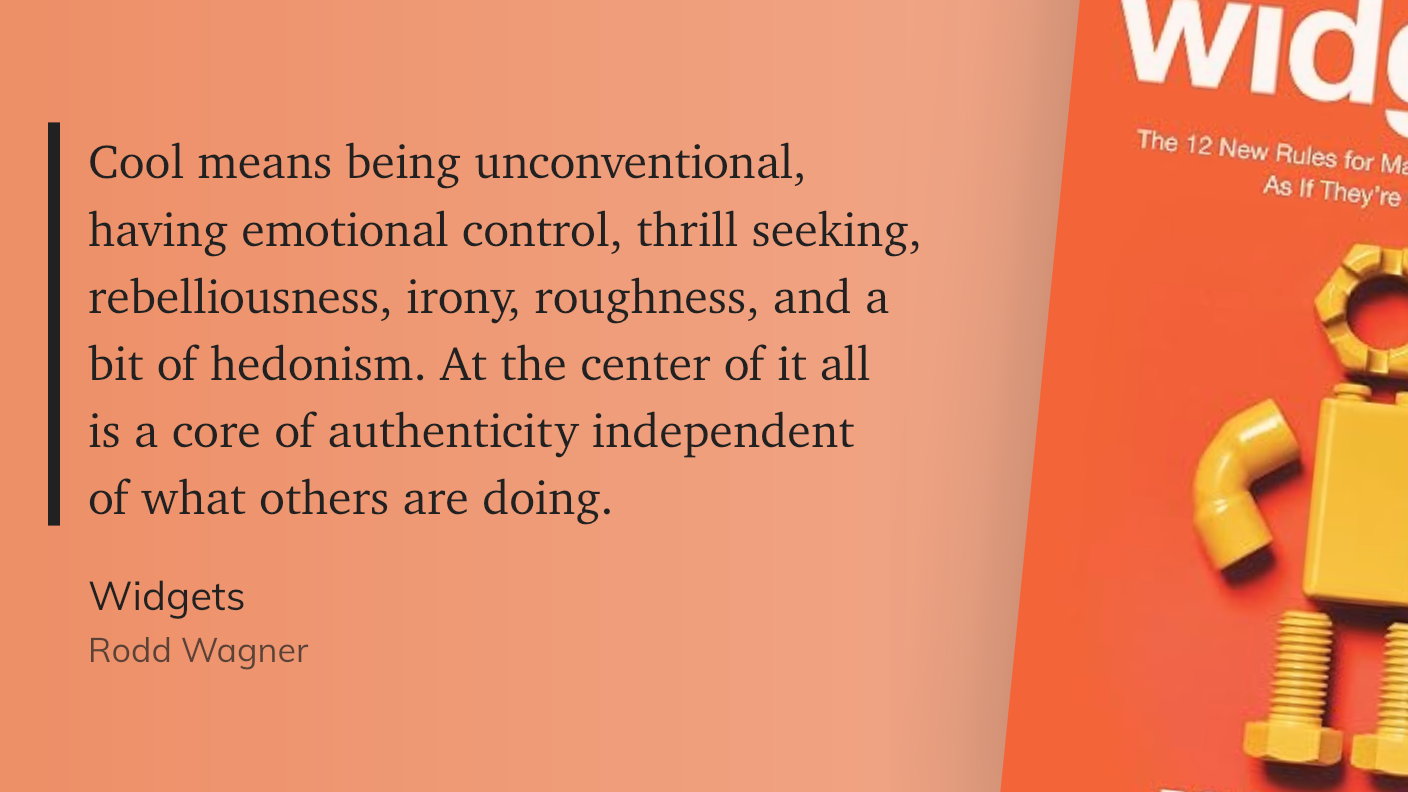
🔗 Don’t Trust People Who Talk Like This | Ted Gioia
“Did Picasso win in every vertical? Did Shakespeare brag about his ‘content engine’? Did Beethoven ever achieve a ‘profitable linear portfolio’?”
(Side note - he’s talking about David Ellison - but it really could be most people on the ‘business side of entertainment’ … now there’s an oxymoron I didn’t plan to write today.
Talent becomes media | Seth’s Blog
This is going to amplify a different sort of creative agency as well as give recognizable talent more leverage. A good ad in the TV days was annoying but led to action. A good ad today creates enrollment and buzz. Attention is insufficient …
Another connection to Systems of ‘Engagment’ over ‘Record’ thinking.