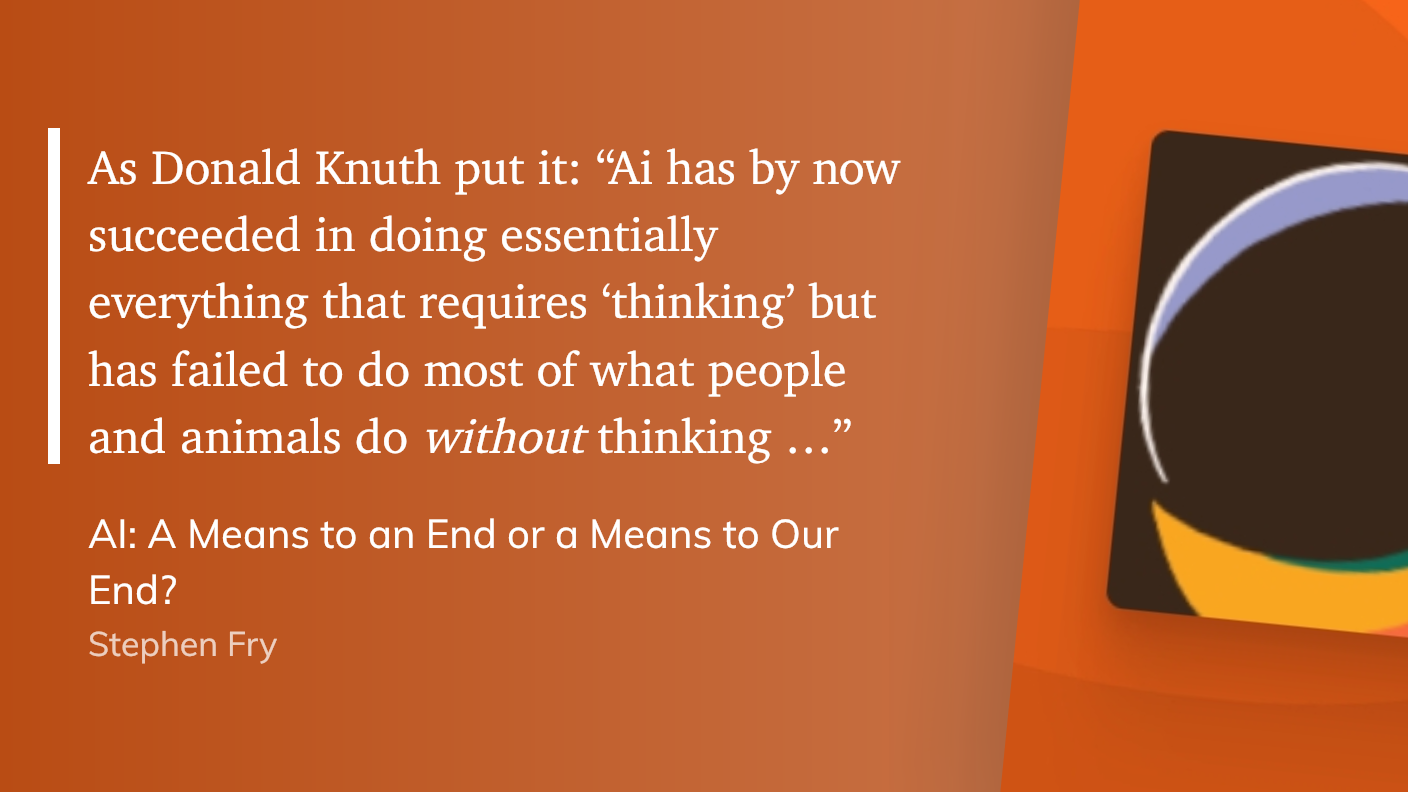
No he didn’t.
👁️ It’s been a weekend. My ‘week’ started at 5pm on Friday. Its now Monday at 3:25pm

👁️ I feel like a man possessed this morning
🔗 How LEGO Engineered the Perfect Plaything
Yes it is - and yet great as it is - and flexible as it is - it does teach us that everything has a place and that there is a place for everything … which I am not sure is a good lesson.
It has a sense that ‘all’ is preordained.
I’d just finished building a dashboard that does what I want. Then I read this.
She is not wrong, but continue I will;
- learning a lot
and what I built
- reveals where best to focus, because it is based on what I want - not what I have.
Some things just aren’t being captured.
Onto phase two.

💬 via John Naughton

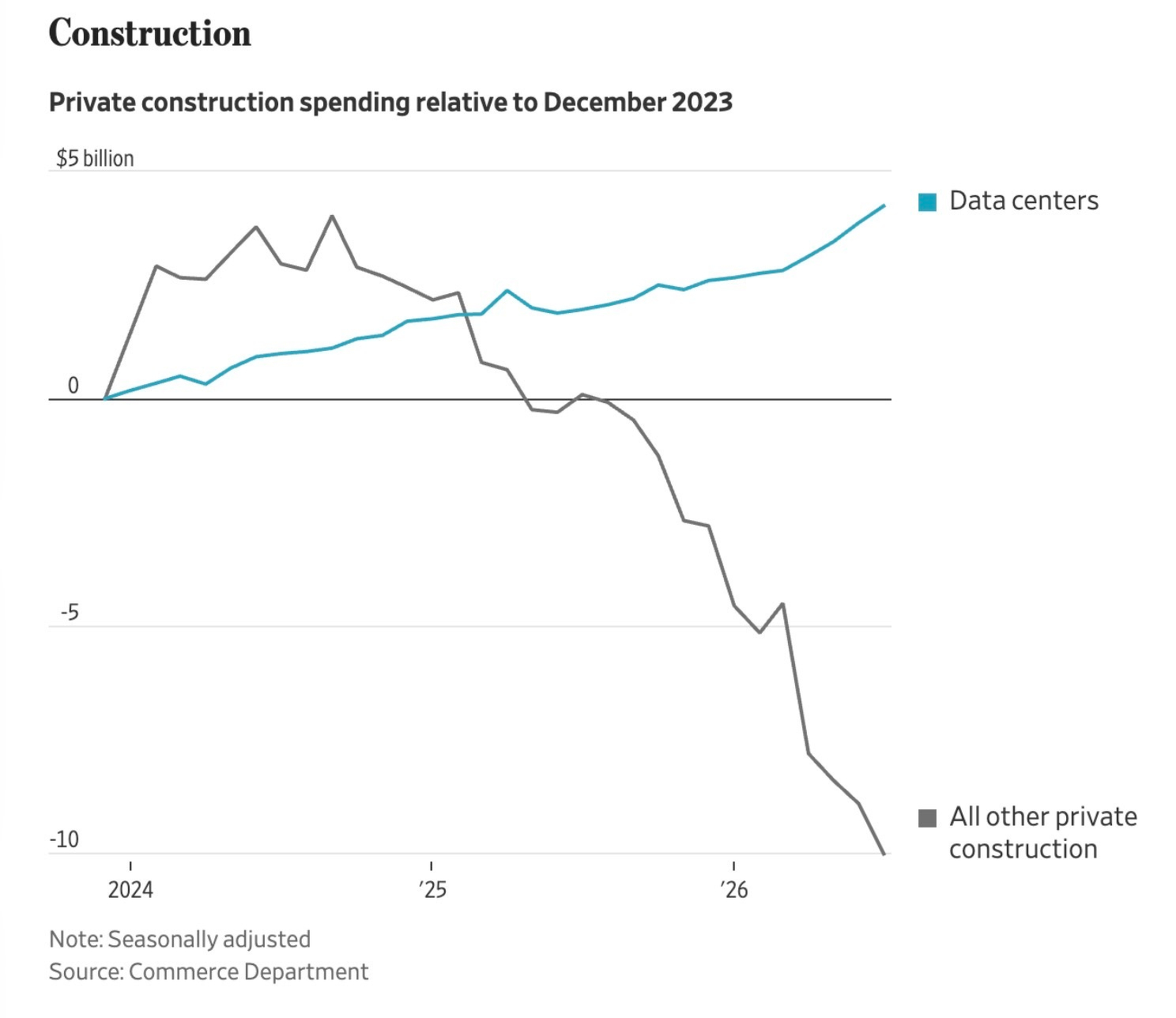
I keep on hearing that there is no bubble. And as one wag pointed out bubbles don’t only pop - sometimes they slowly deflate. Either way - bubble or no bubble - this is the problem. If you don’t look under the hood - you might be lulled into a sense of false security.
🔗 The man hiking the world in search of rare cheeses
🖇️ Not this man .. who has literally walked around the world.
I think ‘cheese guy’ is more figuratively speaking.
Îs ‘speaking’ the right word?
🔗 In Defence of Process - you know that boring stuff that everyone pooh poos?
🔗 Scripting News: Monday, October 19, 2026
I would like to have one day when Claude Code doesn’t fuck everything up by doing things it is explicitly prohibited from doing. I find things that were changed in critical parts of the program, that were indefensible.
Yeah - me too. Except - I don’t really get it every day - but a couple of days ago - oh boy - a doozy. I spotted it before it happened - so disaster averted - but if proof was ever needed … this is why you don’t run Claude on auto pilot.
I shared 🔗🎬📼 this clip in a comment earlier this week - but pushing it out again because;
- it is a good clip
- it is a good movie
- it is an iconic line that gets left off lists (get to the end).
Read the whole thing - but if no time … three - count them - three - quotes from a very short post.
🔗 The age of initiative | Seth’s Blog
For those indoctrinated to comply, this is stressful. The stress is due to a desire to get things back to normal, to give them a chance to comply again, but right here, right now, is as normal as things are ever going to get. “Good jobs” are no longer sinecures where success comes from following instructions.
One reason AI got such a fast start is that it gave people seeking compliance a chance to wait for the AI to tell them what to do next. Quick, cheap answers.
No matter what you do for a living, there’s a machine standing by, waiting for instructions. Instructions from you, if you choose, or from your overlords if you don’t.
Daring Fireball:
🔗 Barack Obama on the Trump Administration’s Intimidation Campaign Against Congresswoman Ilhan Omar
… less about Ilhan Omar and more about doubling down on why so many people I follow seem to be wrong.
🔗 Daring Fireball: Netflix Shitcanned Film Chief Dan Lin Too
Netflix’s movies are worse than their series, which also mostly stink. (As opposed to Apple TV, which somehow makes terrible movies while making the best series in the business.)
It is interesting Apple observation. I can’t think of a good film that they produced off the top of my head - but so many of their series are absolute bangers.
🔗 Daring Fireball: Verizon Is Going to Charge $10/Month for iPhone Handoff
Second, we all know Verizon is the most expensive competent carrier in the U.S. (Maybe AT&T is just as expensive, but I said “competent”.) It feels like a rip that T-Mobile is charging $5/month. Verizon charging double is on-brand but irritating.
My better half insists on Verizon and her bill is always twice - sometimes three times mine.
💬
💬
💬
💬

💬