
🔗 WWW
There are a lot of links out to different parts of the web on this site. I try to mark them all so they get listed here.
🎈017/366 | 🪙 Both Sides Now

No. Not the song.
I don’t blame you if you haven’t been keeping up with ‘SubstackGate’. I have .. so you don’t have to … you are welcome.
Bottom line .. Fascism, Nazis, Support, Deplatform … you get the picture.
🔗 Why the Kākā Is Staying on Substack

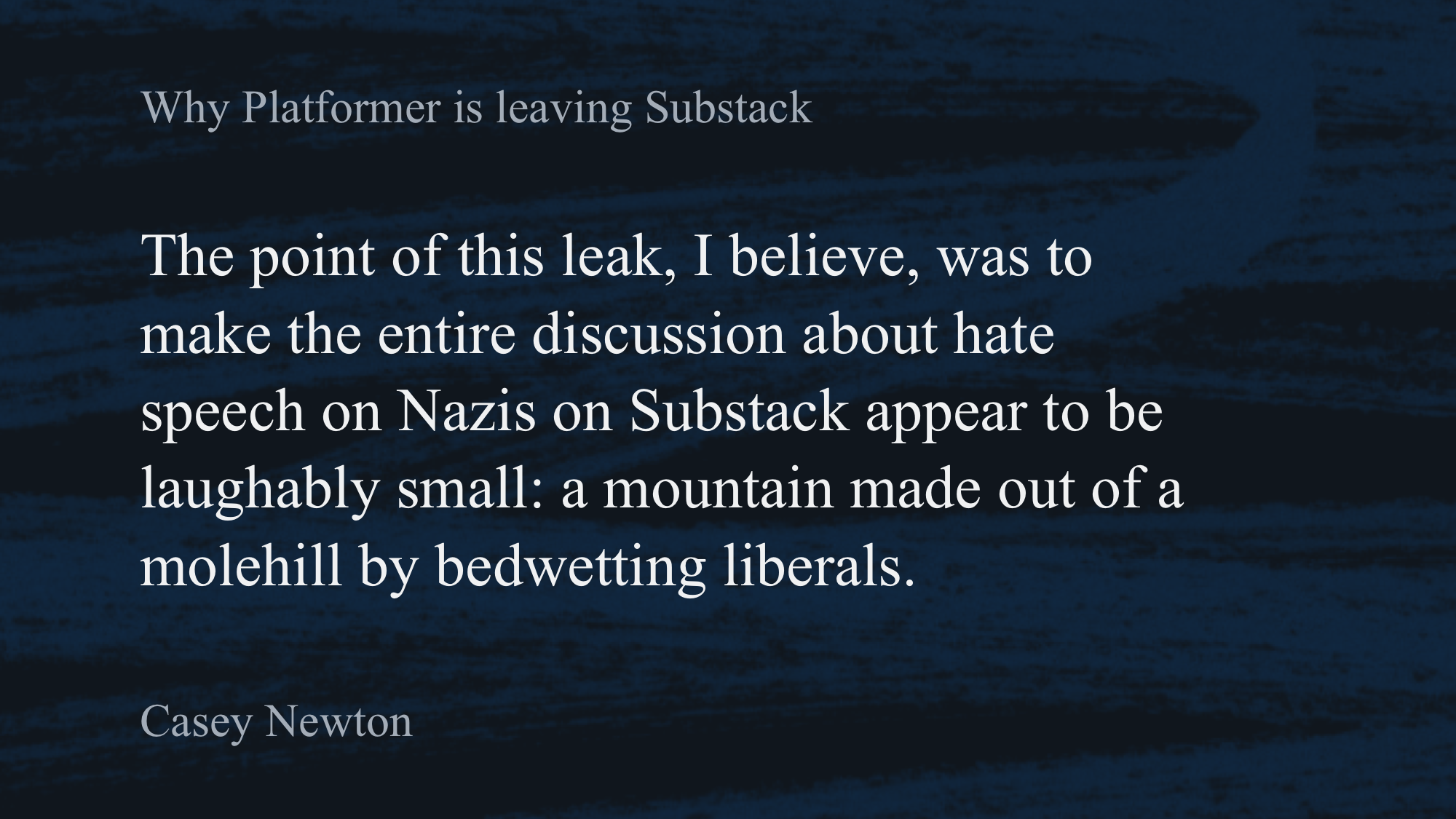
🔗Why Platformer is Leaving Substack
My Thoughts?
I am on Substack and read some bit of it each and every day. Never seen a single piece by a Nazi. Never been recommended to go visit a Nazi. The fact is that they are always going to be somewhere - even in real life. On the blogging / newsletter side of the platform - I don’t see the issue - BUT - on the social side of it - yes - it COULD - and when / if I do - I will reconsider - but for now … kinda like Bernard wrote up there.

🎈014/366 | 💩 The Gamekeeper Is The Poacher

An excellent show from the mighty John Oliver taking on McKinsey in this one. You know … the company that advised Purdue on how to sell more Oxy. Spin through to 15:50 … to hear this one.
Mr. Sternfels they didn’t have experience - they were the identical humans working for both at the same time.
💬 Katie Porter
Cleaning out the swamp, stopping the revolving door of public service and corporate interest … it really doesn’t matter what you call it - what is clear that the swamp / cesspool / revolving doors are very much alive and well - no matter what anyone claims.
🎈013/366 ⌨️ Typewriters .. and more

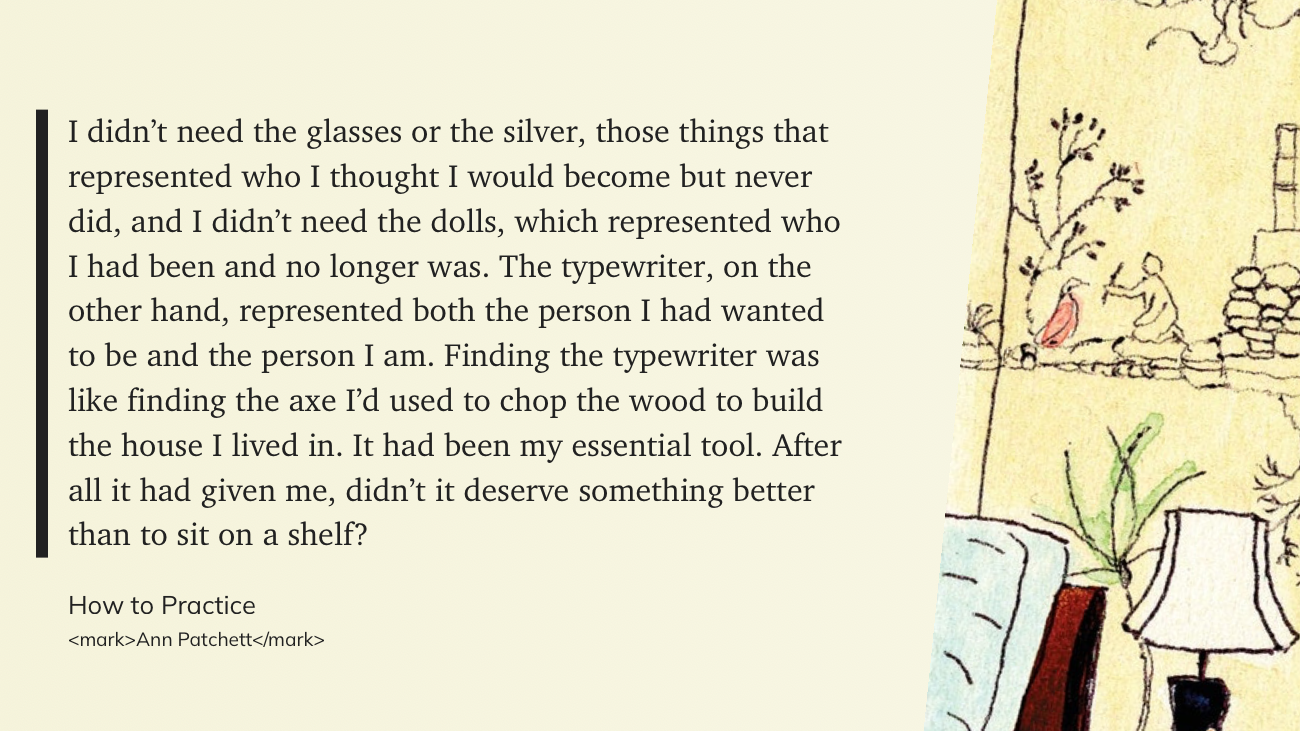
A quite lovely story which I have chosen to share through my Readwise account, so you can speed through my highlights if you so wish.
Alternatively, 🔗 this is the original New Yorker article, written by Ann Patchett.
It’s from 2021, it’s mainly about removing clutter from your life, but sharing it here because of the ending which focuses on the typewriters in her life, and thought this was quite beautiful.
.. and beyond beauty …
After he died, Tavia found two laminated cards.
‘He’, being Kent, ‘Tavia’s father’, who had seemingly continually transformed his life, leaving behind a veritable museum of artifacts .. and yet these two laminated cards tell the entire story.
I don’t know .. it just stopped me in my tracks.
🎈012/366 | 🎂 Cake By The Ocean

It’s true. My ‘under the rock’ habitat continues into 2024.
I asked a six year old yesterday if he liked music … yes … so what’s your favorite song?
I hadn’t heard of DNCE - but liked this one enough to poke around … wait … it’s Joe Jonas?
Personally, never a big fan of the Jonas brothers - but adding this to my list of (two so far) singers that switched me. The other one is Harry Styles (never a big fan of One Direction).
If you are reading this post on my site, you will see that this link is rendered as an embedded video at the bottom of the post. (THANKYOU @rknightuk]. It will render just fine - unless the video owner wants you to watch it over on YouTube (and to be fair - there are very good reasons for that). If that happens, click on the link above and you will be taken to YouTube. The 'error' is only because the creator wants you to got to YouTube to watch it. That said - on rare occasions, it might actually be broken. If it is - sorry about that - try sending me an email and I will check if I made an error.
🎈011/366 | 🔮 Indie Publishing - Future Vision

A couple of click throughs in this morning’s review triggered this post.
It started here … 🔗 Substack Barely Does The Bare Minimum
which linked to here … 🔗 gilest.org: Make the indie web easier
which then linked to here … 🔗 gilest.org: More on the easier indie web
TL;DR
A few links to interesting places that are about the indie web - but with an undercurrent of something that I have been banging on about forEVER …
If we truly want to open up the web for everyone to publish on, we have to make it easier. Let’s give people choices. Let’s give people options for tools they can set up and use, with no more knowledge than the knowledge they already have.
💬 Giles Turnbull'
YES
There are a few - and indeed MicroBlog is one such example (that is not listed in those links) … although even MicroBlog has its challenges.
I think the overall challenge is two fold;
1] It is not easy.
- so requires significant resources to make it a reality.
2] Does ‘everybody’ care enough?
- because if they don’t - I feel the TAM might be pretty small - and will include a large number of people already in the camp of what we have is good enough.
🎈010/366 | ✍️ Rewriting Future History
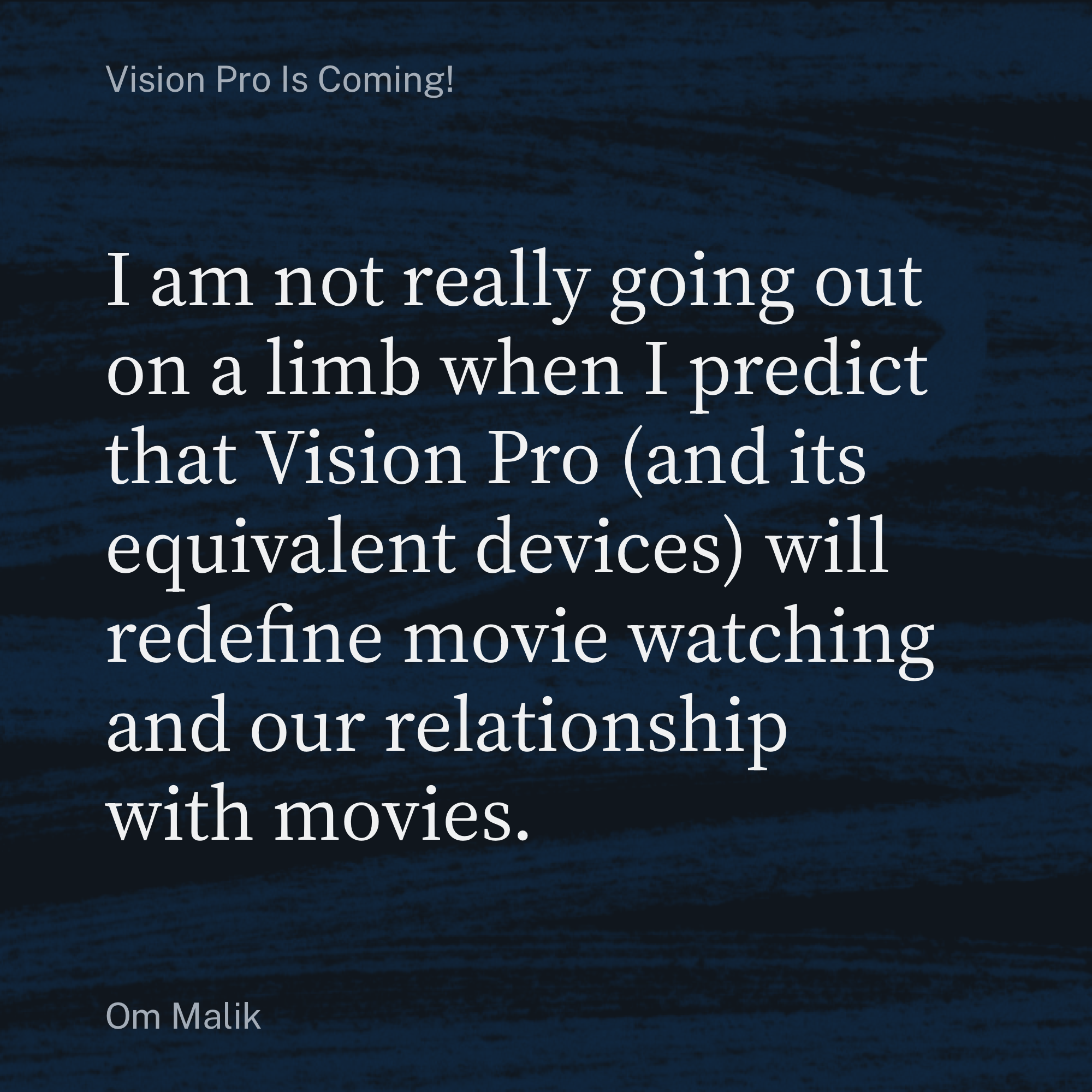
🔗 Interesting piece from Om today.
I think he’s right about that up there. What I am not so sure about is this down here.
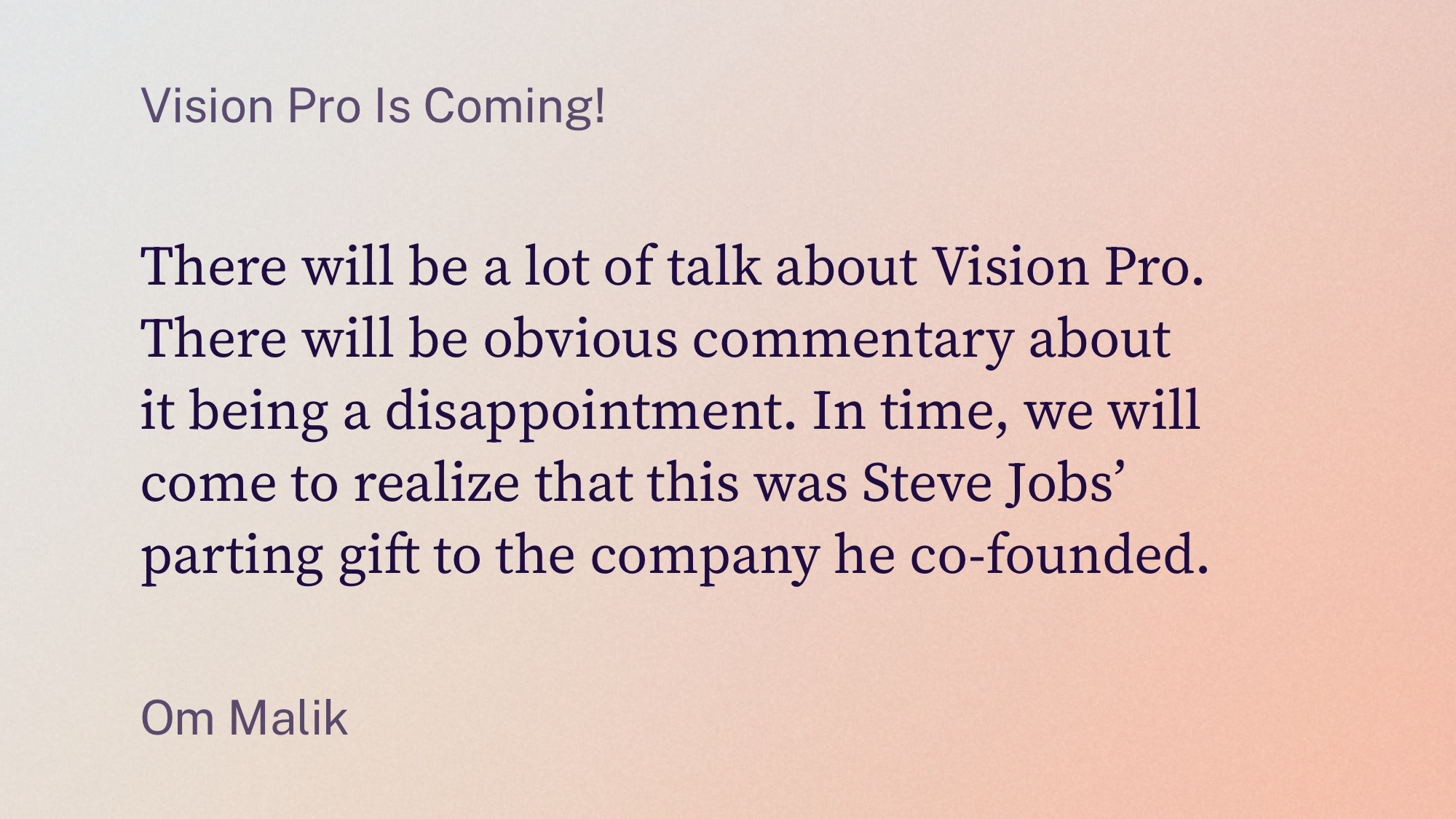
Why?
Because it will bring all those ‘EEJITS’ out of the woodwork, who maintain that ’Steve’ did everything and Tim has done nothing, isn’t innovative, riding the coat tails etc …
(Count me in the camp of the people that believe that had Tim NOT done what Tim did when he did it, that there wouldn’t even be a significant enough Apple to do what he is doing now.)
Not being a Redditer, I had never heard of this account - and certainly no idea of its truth - but ….
🎈008/366 | ❓ Solving The Right Problem
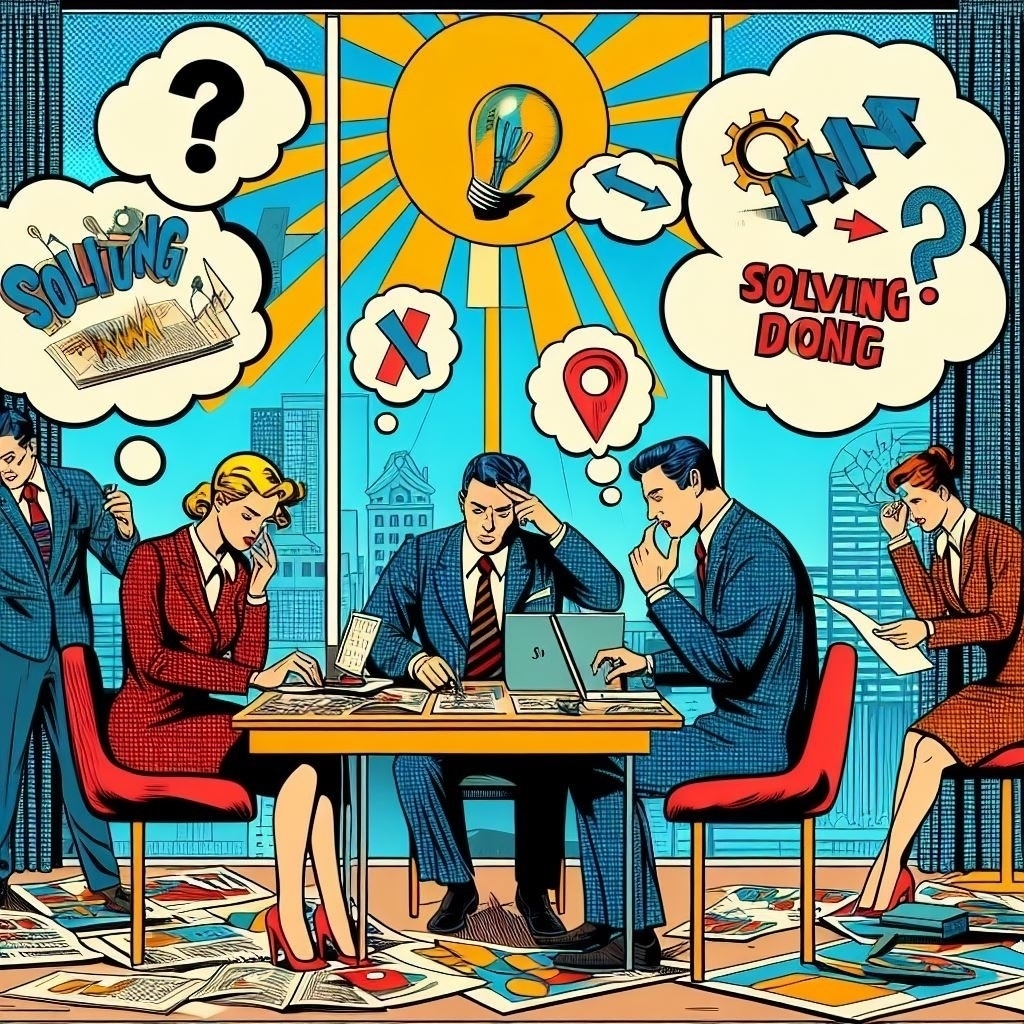
Today’s Sketchplanations resonated, even though I had never heard of the ‘problem’ being ‘🔗 The XY Problem
Back at Group Partners we would help people ‘avoid solving the wrong problem really well’
Others talk about ‘peeling back the onion to get to the root cause’ (think a doctor treating your hip to solve your back pain), etc etc.
Whatever it is known as, this is what anyone should do to solve a problem. Never treat the symptom.
If you don’t agree, comment below.
If you do agree - do you have other names you use?
🎈007/366 | 🚣♀️ The Pace of Change
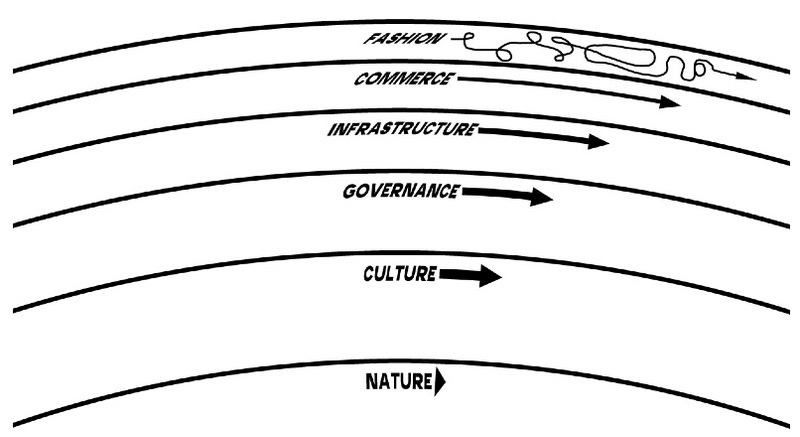
A couple of days ago I wrote a little (very little) about Stewart Brand’s 🖇️ Pace layer. It’s worth clicking through - not just to my short piece, but in turn the links in that post.
Still - to the point.
Andy Hamilton dropped a post on LinkedIN a couple of days ago referencing an Australian report called ‘Barriers to collaboartion and commercialization’ asking if there were lessons that can be learned fro New Zealand. And so ‘the people’ weighed in - with the inevitable group waxing lyrical about business and government working hand in hand to innovate and become world leaders in ….
Pipe dreams - and ‘Pace Layers’, illustrated above explain why.
The model was developed by Stewart Brand and Brian Eno of all people. A quick study will reveal why government involvement in innovation is flawed. If you are still missing the challenge comes down to the
The order of a healthy civilization. The fast layers innovate; the slow layers stabilize. The whole combines learning with continuity.
💬 Stewart Brand
It reminds me of something 🔗 Venkatesh Rao wrote about many years ago - and which I in turn referenced in my 🔗 book a couple of years ago.
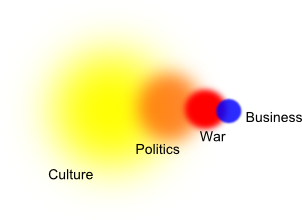
Bottom Line
I have always had a fundamental problem with government being joined at the hip with business. In principle, it sounds lovely. It can work. It does work … but not if you want to be fast, innovative, different, leading edge, using new technologies - all of these things are not part of a government’s DNA - the pace layer model reveals why it won’t work.
Whatever speed government works at, it still wont be fast enough for business and if you slow down business to more readily accommodate government, then others will beat you to market.
Just three case studies out of the hundreds if not thousands just in the software industry; Uber, AirBNB and Facebook.
And don’t get me started on Tesla, The Boring Compnay, SpaceX, X, xAI, Neuralink and the rest of the ‘Musk Suite.

Friend 1: Do not watch ‘🔗 🎬 Leave The World Behind’.
Friend 2 : I’ll watch it - I like to make my own mind up, not just listen to what others think.
Me : Cool - have you seen Barbie?
Friend 2 : Oh no. I don’t like the messaging behind that one.
Me : Messaging? What about making ….. oh never mind.
🎈004/366 | 🏢 Demonstrating The Pace Layer

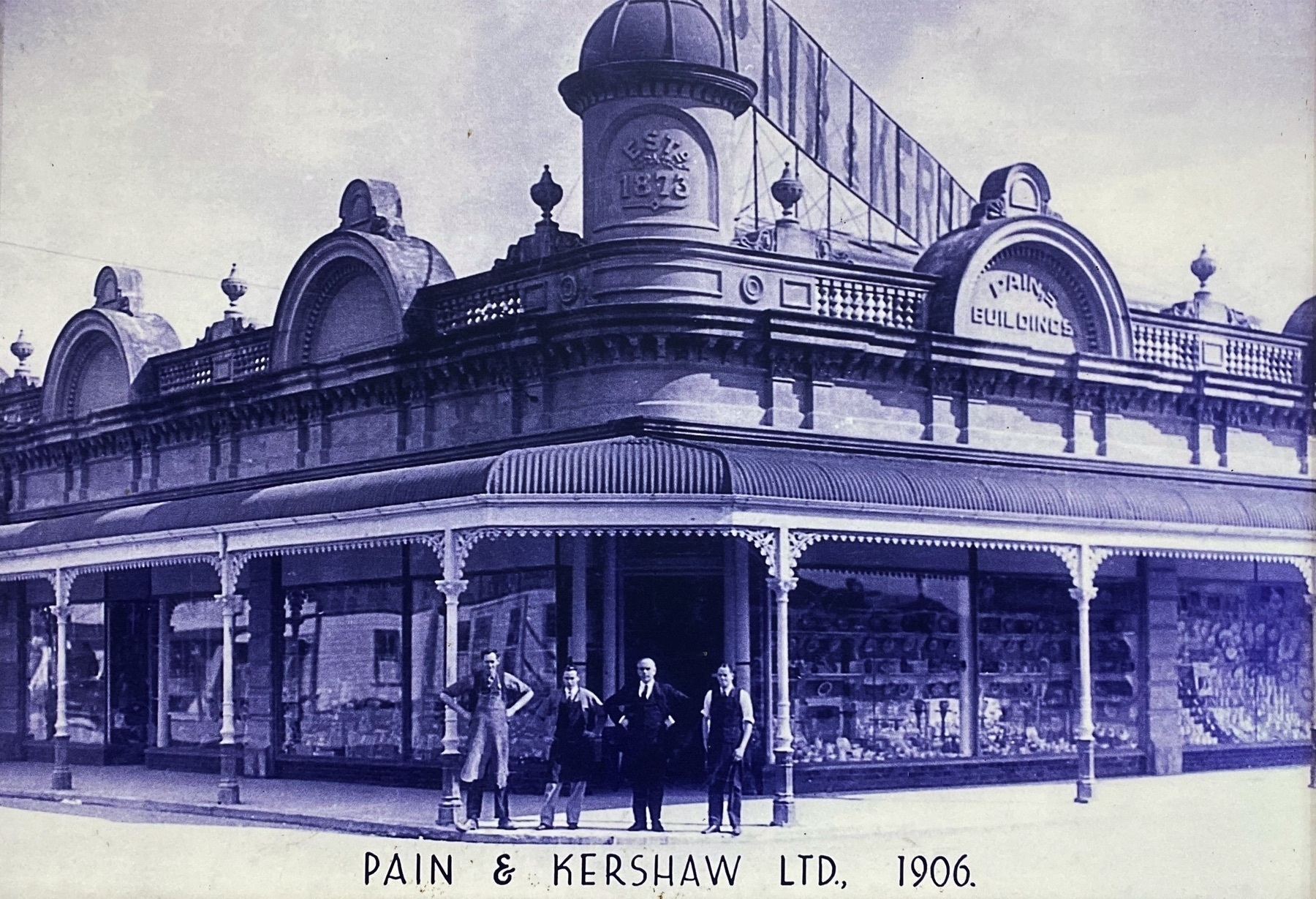
Over the break, I had the fortune (not committing to whether that’s good or bad, since that is a whole different story) to visit Martinborough in the Wairarapa - one of New Zealand’s wine regions. It’s a cute little town that includes a single ‘supermarket’.
On one visit I noticed two photographs on the wall - the building from the early part of the last century, photographed in 1906 ….
… and a second of a different building (same site) in 1949.
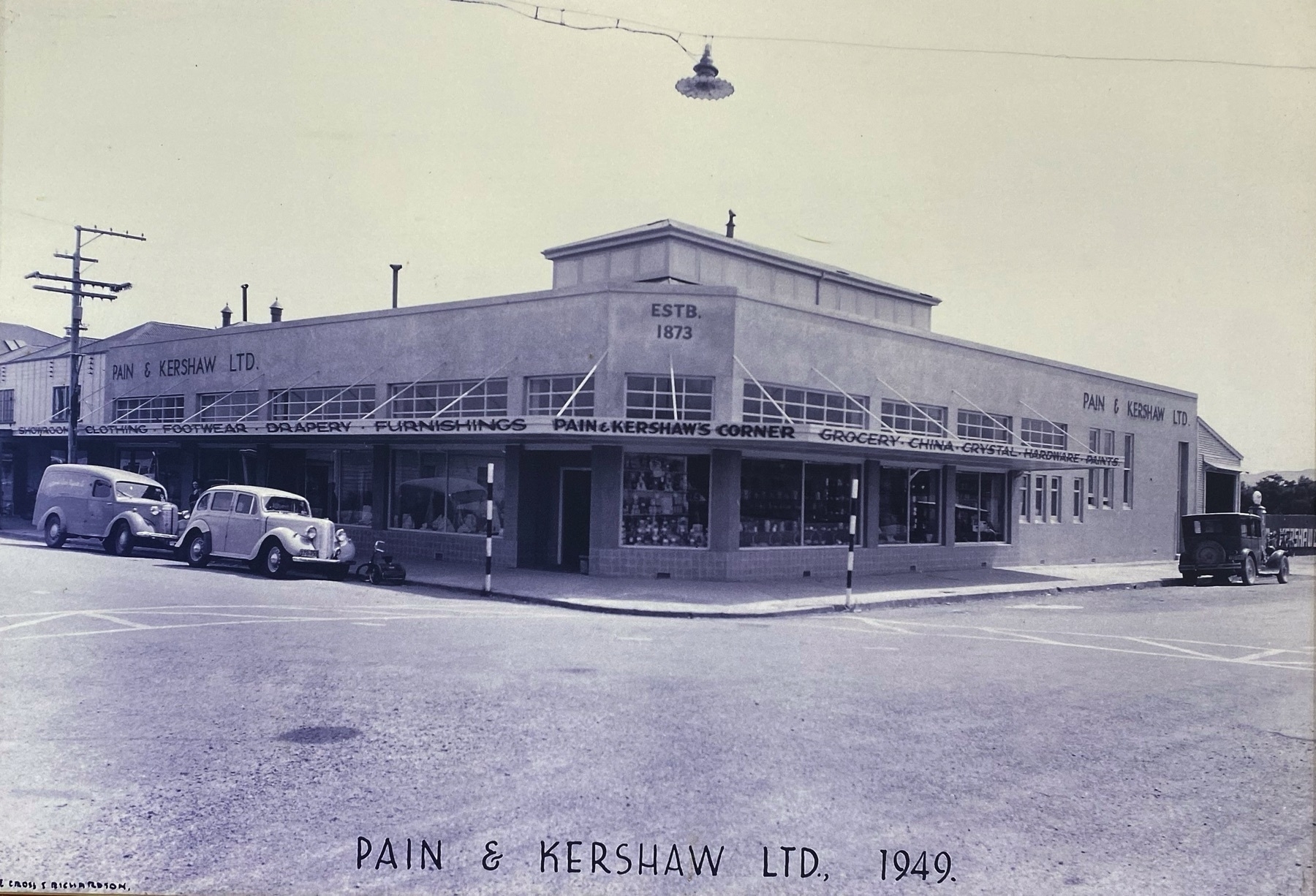
As I took the photographs of the photographs, I commented to a couple passing by and watching me that it was a shame that a beautiful building such as the original was replaced by the ‘flat pack’.
I assumed that some bright spark had decided to pull the old one down in favor of the ‘modern, sleek lined building’.
Never assume.
Yes the old one was pulled down - but after a major earthquake rendered part of it flat and part of it unsafe - and I get why you would want to modernize and I know why the designs changed - but that’s not what this is about.
What it’s about is that the photographs and conversation reminded me of a 🔗 recent post from Stowe Boyd that referenced Stewart Brand’s book 🔗 How Buildings Learn which in turn built on the ideas of British architect Frank Duffy.
Buildings aren’t made out of glass, concrete and stone: they’re made out of time, layers of time.
💬 Frank Duffy
Brand’s model is clear;
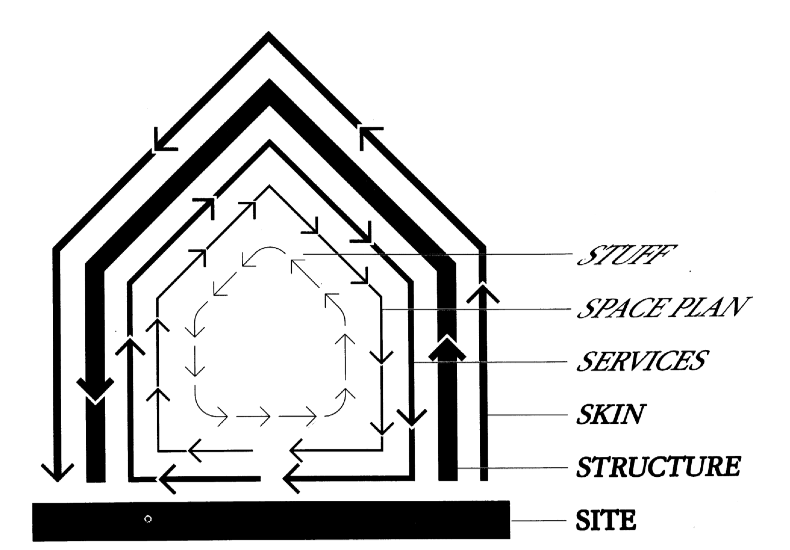
… and the two images reveal it in action. No images from the inside of the store - though for the Kiwi’s amongst you, I can say that the Martinborough FourSquare is the nicest (and largest) FourSquare I have ever visited. (For Brits, think of a FourSquare as something like one of those Tesco or Safeways Mini-marts we find in ever increasing numbers around the British Isles. Think of the Martinborough Foursquare as more akin to a mid sized Waitrose. For American readers … Wholefoods? High end Safeways?
All that said - look at Brand’s model carefully and consider buildings you know and how they relate.
🎈003/366 | 💬 A New Purpose

Interesting to read 🔗 this from Om. I definitely did not feel that all of last year, but definitely in the past couple of months, something in me has been coming together. It’s as if bits of Lego have been suddenly snapping together, around writing, my work programmes and the connected thinking.
It’s not just the new year. There’s a fundamental shift I am feeling.
The question is whether it is an aberration, or something that will translate to something that will stay for part of the journey.
I think it’s the latter.
LATER
Funny .. as I published this post, someone sent me this;
Every time I read 🔗 A Camera Not An Engine by Venkatesh Rao I found myself highlighting more and more - so that it was very nearly all highlight! So - I cut some back and have published to my Readwise.
Next job if I get round to it .. annotations.
🎈002/366 | ♟️ Is There Planning In Strategy❓

In one of my work programmes there is an ongoing debate around planning and strategy .. one of the team going as far as to suggest that ‘strategic planning’ is an oxymoron (my words). This seems to nicely channel an aspect of that thinking.
This particular quote
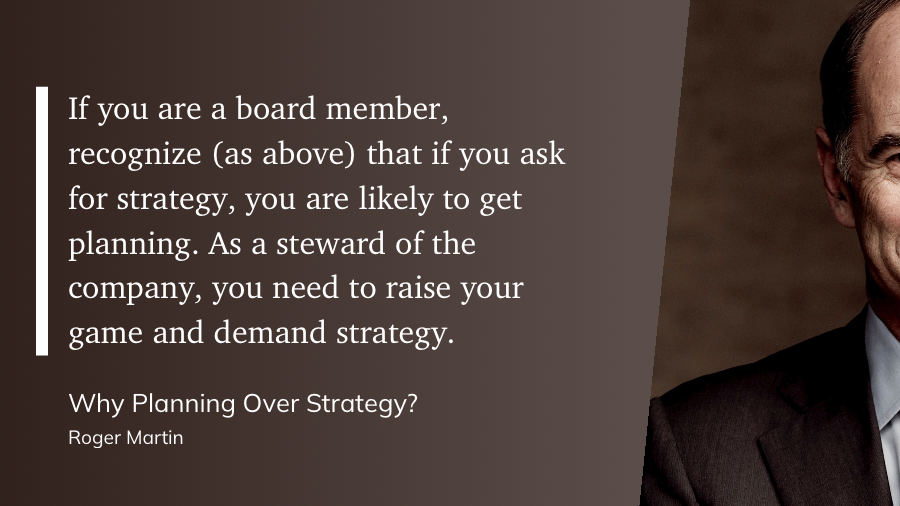
is taken from 🔗 this article, which in turn arrived with me from discussions over at the UNdaunted. You’ll be hearing more about them over the next year.)
I think it also plays into the old adage (I paraphrase) ..
“All plans are a waste … but planning is essential.”
For me. I think there is truth in this line of thought.
What do you think?
🎈001/366 | 📸 This Is What I Know

There’s a 🔗 Stonehenge in New Zealand.
Spent a lovely afternoon there today.
If you have interest its 🔗 three words are ‘enable.improves.preperations’.


.. and so a new year begins and the Daily Stoic … as a publishing event … ends.
A variation on a theme will be forthcoming .. inspired by this thought from a Daily Stoic entry on 🖇️ December 22nd
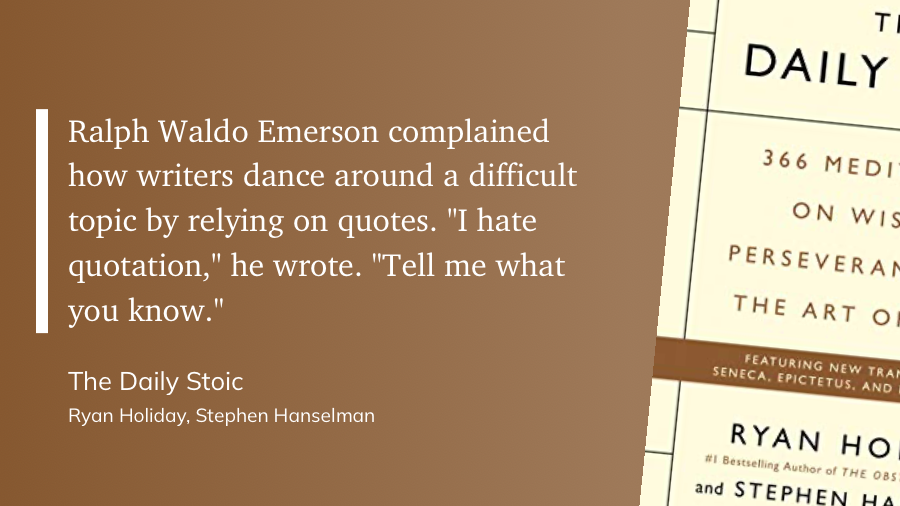
Meanwhile …
Happy New Year

Dems and Repubs have a lot more in common than we might think.
In US politics … the two prime parties are symbolized by a 🔗 Donkey and Elephant.
The curious thing is that 🔗 Thomas Nast created both the original satirical cartoons.
- Same guy.
- Drew cartoons that dinged both parties.
- Both parties adopted their own cartoon …
These days they’d sue him!
Fuck TikTok.
Fuck Russell Brand.
🔗 TikTok users including Russell Brand given special status, messages show.
Just in case you get too happy absorbing 🔗 Reasons To Be Cheerful, now you can 🔗 Cry Once a Week.
It’s all about balance.