
ð Dancing with Your Default Mode www.gapingvoid.com/dancing-w…
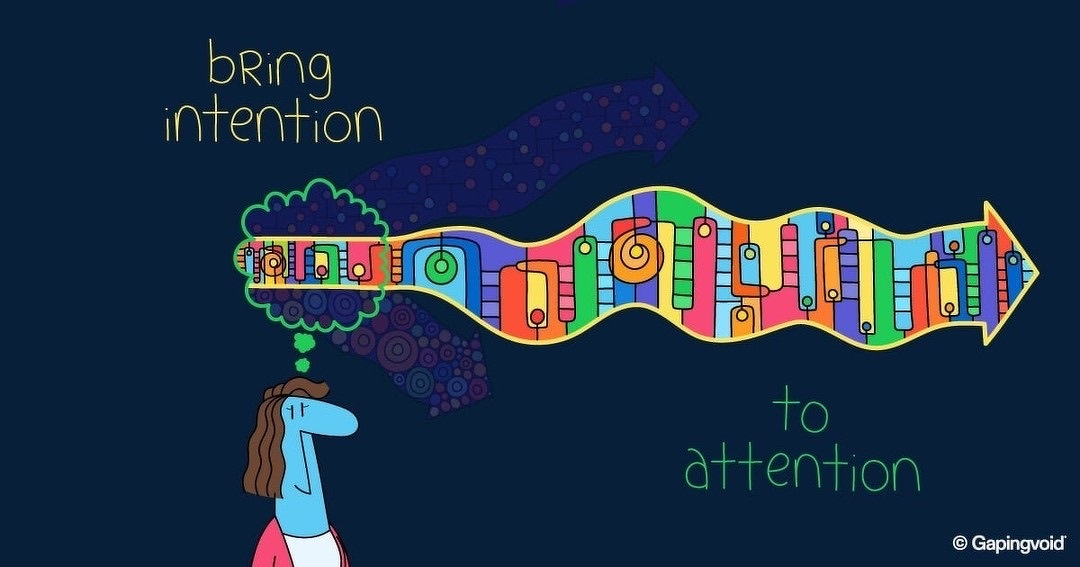
Pretty sure I have shared this before - but it does bear repeating â¦
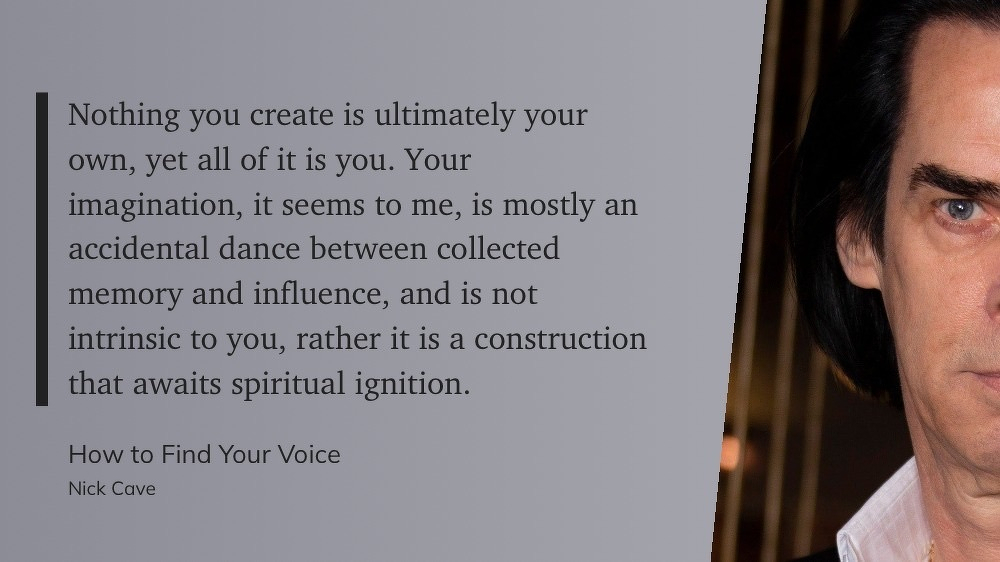
Pretty sure I have shared this before - but it does bear repeating …
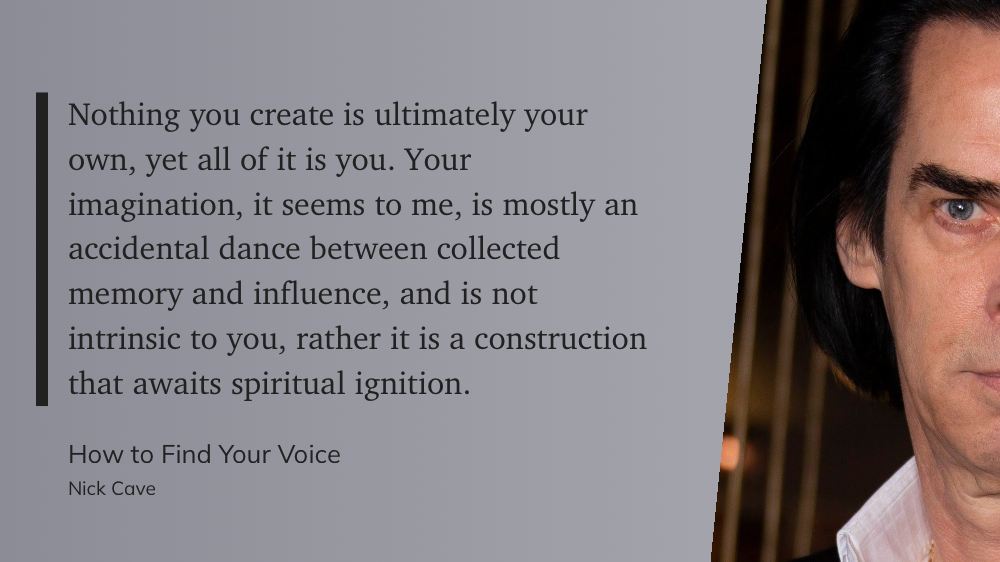
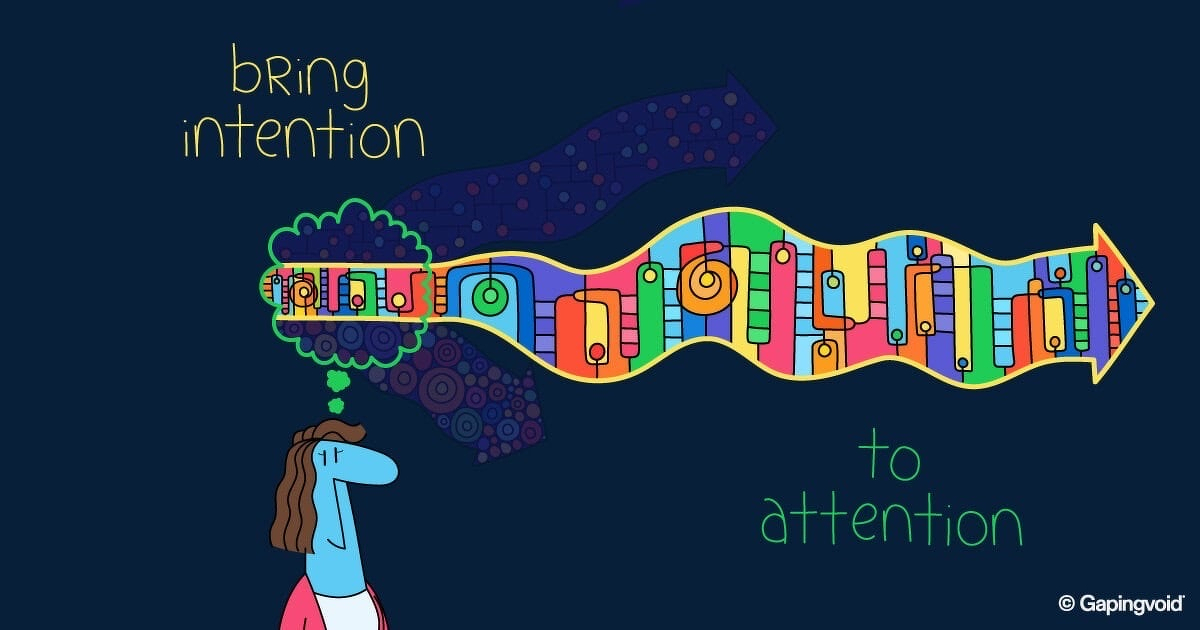
🔗 NiftyMenu Tahoe Edition - BrettTerpstra.com
It’s a tool specifically for people documenting or blogging about apps (though anybody might get a kick out of it).
Paging @amerpie
It is trying as hard as it can to express the totality of visual presentation and layout design and typography and animation and digital interactivity and a few other things in a human-readable text format. It’s not bloated, it’s fantastically ambitious. Its reach is greater than most of us can hope to grasp. Put some respect on its name.
Ship an update every day. Learn from what works, relentlessly improve what doesn’t.
But companies destroy themselves and empires rot from within, and the people living inside these systems almost never see the collapse coming, because the system itself is the lens through which they view the world.
(A fish doesn’t think “it’s wet in here”)
Joan is mainly writing about AI - but just as important to a 2026 America.
🔗 Followup on the future of AI
Nobody knows anything.
@AndySylvester - coincidentally something i was chatting about just this morning. Our conclusion: If you know nothing - you will never be able to properly use AI.
BUT - as we all know - everybody does know something. In fact likely A LOT - about something - and that no matter how narrow the topic - the depth can be - is - always extraordinary.
Once you have your niche - you are in a position to ask the right questions and understand the answers.
It all fails when you don’t ask questions and don’t understand the answers.
🔗 A Random List of Silly Things I Hate - Tangible Life
Silly? I don’t think so. AND I suspect that @bradenslen and @MitchW would be in full agreement …. 🦯
You might have noticed that ‘the daily surprise’ has just been updated to the ‘when I remember it - and have time surprise’.
Today’s Surprise From History - 🖇️ The Services Industry is prostitution minus …
🔗 U.S. Customs and Border Protection Signs New Clearview A.I. Deal
This is not facial recognition of criminals or even people suspected of wrongdoing. It is recognition of anyone who has a face that has been photographed and shared even semi-publicly.
ANYONE
.. another one I have seen before an never shared - who knew that Jack Black had this voice inside of him?
El Estepario Siberiano has been popping into my feed for well over a year - and every time I am blown away - but until now never shared him here.
Fixed.
🔗📼🎵 This could be my BEST video TO DATE. - YouTube
➕
🔗📼🎵 MY STORY - HOW I MADE 1 MILLION SUBSCRIBERS. - YouTube
Running his agency is no longer tenable - so sales announced - but somehow it’s still ok to continue to chair the 28 Olympics.
Got it.
🔗 Mark Bernstein: AI: New Frontiers
Today’s AI can make you better at doing things you do well. That is what AI is for.
A simple sentence to cut through the noise.
we will discover that even if your job mostly consists of interacting with LLMs, doing so well will require people who remember what it was like to read and interpret a document or contrast two ideas without asking an LLM to do it for you.
There used to be a lot of people that used to be able to thatch roofs - and now there aren’t. But that isn’t quite the same IMHO.
🔗 Ring cancels partnership with law enforcement supplier Flock – FlowingData
This comes shortly after Ring’s Super Bowl commercial for dog-finding. Ring owners were already rumbling, but it seems cute dogs were not enough to calm things down. Trust is already lost
Even tech companies are drawing lines.
🔗 Meta planning facial recognition with glasses – FlowingData
Meta’s internal memo said the political tumult in the United States was good timing for the feature’s release.
🤯