
🕋 Structured Thought
Oh good: 🔗 Joyous - Replace surveys with dynamic AI chats and real-time action
My position?
For years we called AI an answer machine. One question in, one answer out. Vending machine.
A survey is a vending machine too. Ten questions, five minutes, a finish line.
A dynamic AI chat has no finish line. It wants you to think out loud, and at length.
AI removes the cost of asking questions. It doesn’t remove the cost of answering them. It raises it. And that cost lands on the respondent.
So most people will do what they do when a vending machine asks for a conversation: give it the minimum, or leave. After all, what’s in it for them?
Prediction: the people who go deep won’t be representative. They’ll be the ones who like talking to AI. You’ve swapped a bad sample for a self-selected one.
Here we go again …
Tech saves the organisation money and pushes the cost onto the people.
🔗🕋 Structured Thought is catching on
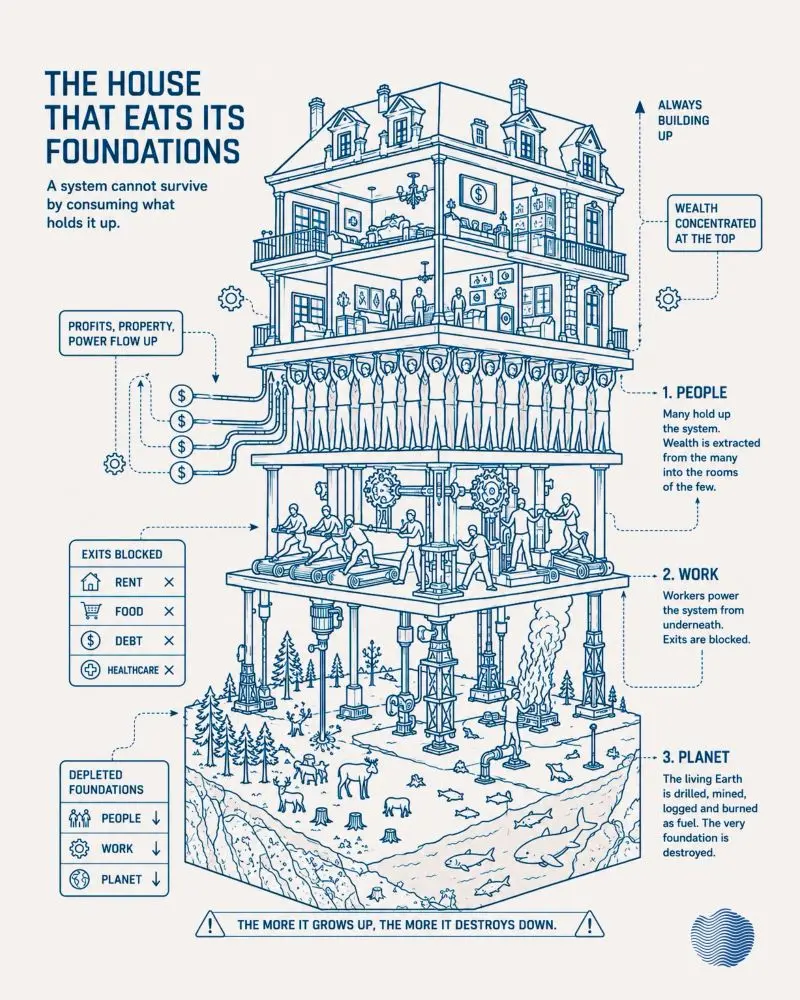
This one from Evan Shapiro - who after producing 6 annual flat files of - well to be honest - interesting - but not very useful insights into the media landscape has just outdone himself.
Scott Brinker should do the same - similar idea in a different space - but 🔗 this one has been going now for 15 years!
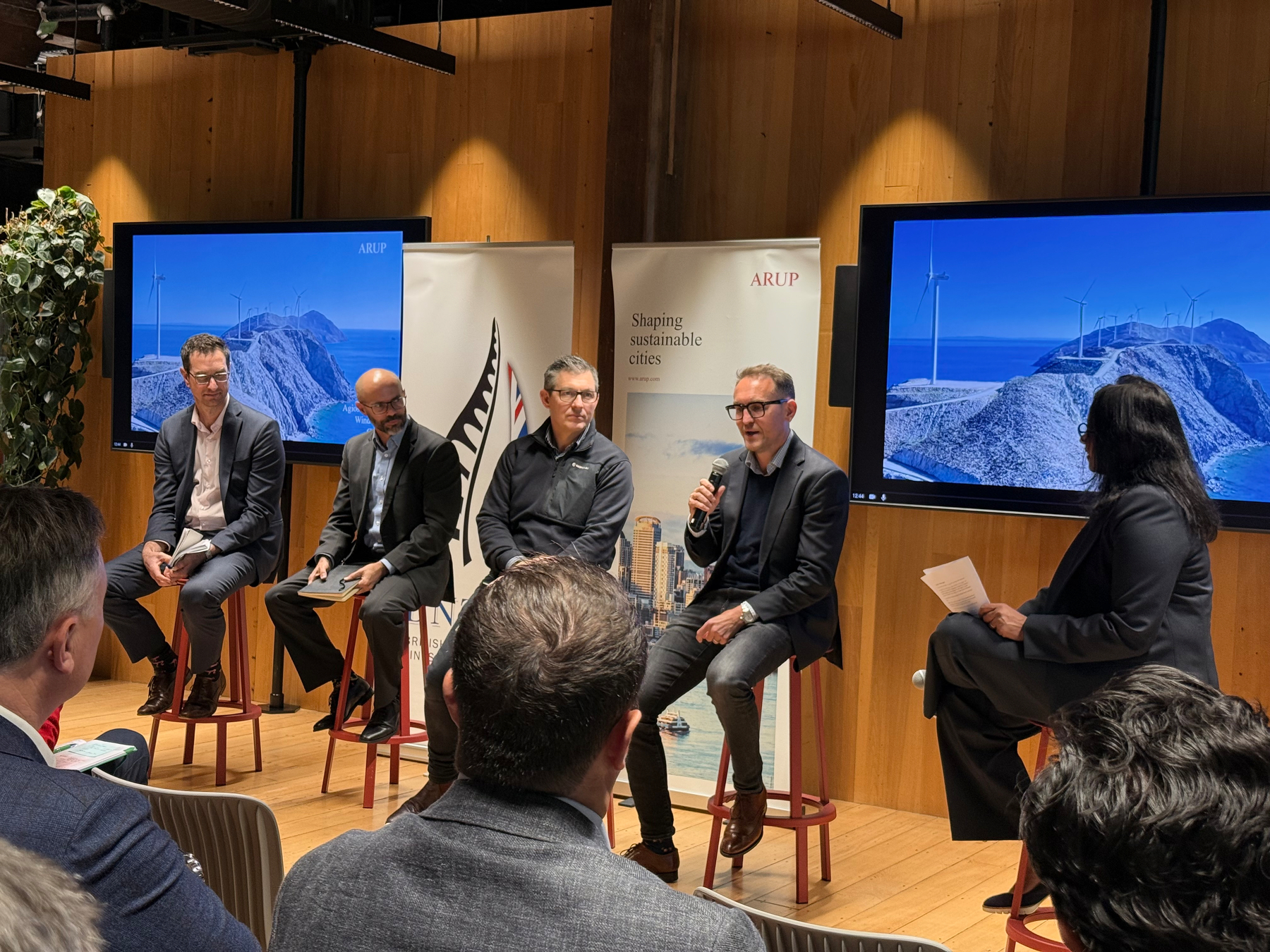
📸 I have questions. Going to listen and find out if they have answers. The next hour will decide if I will still have questions.
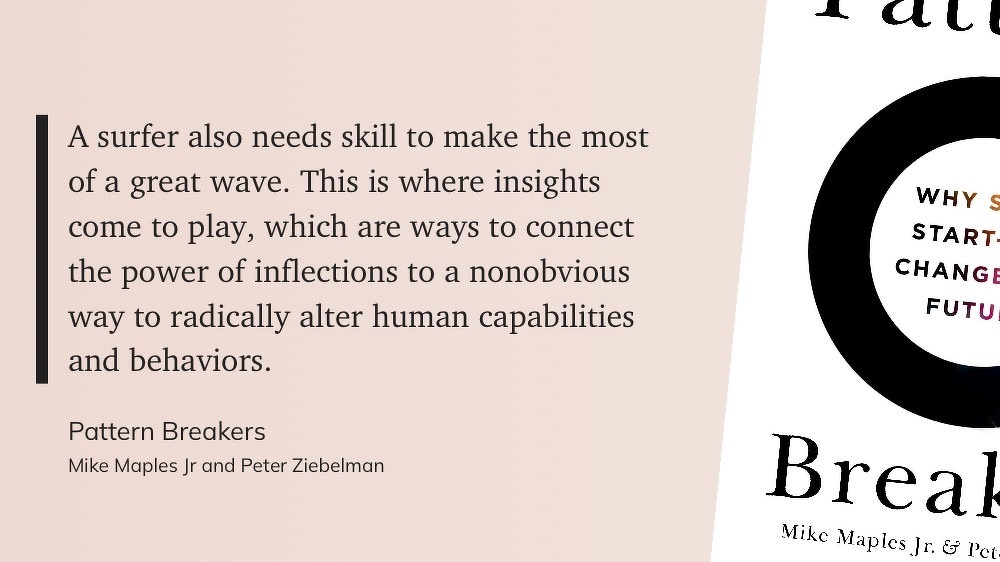
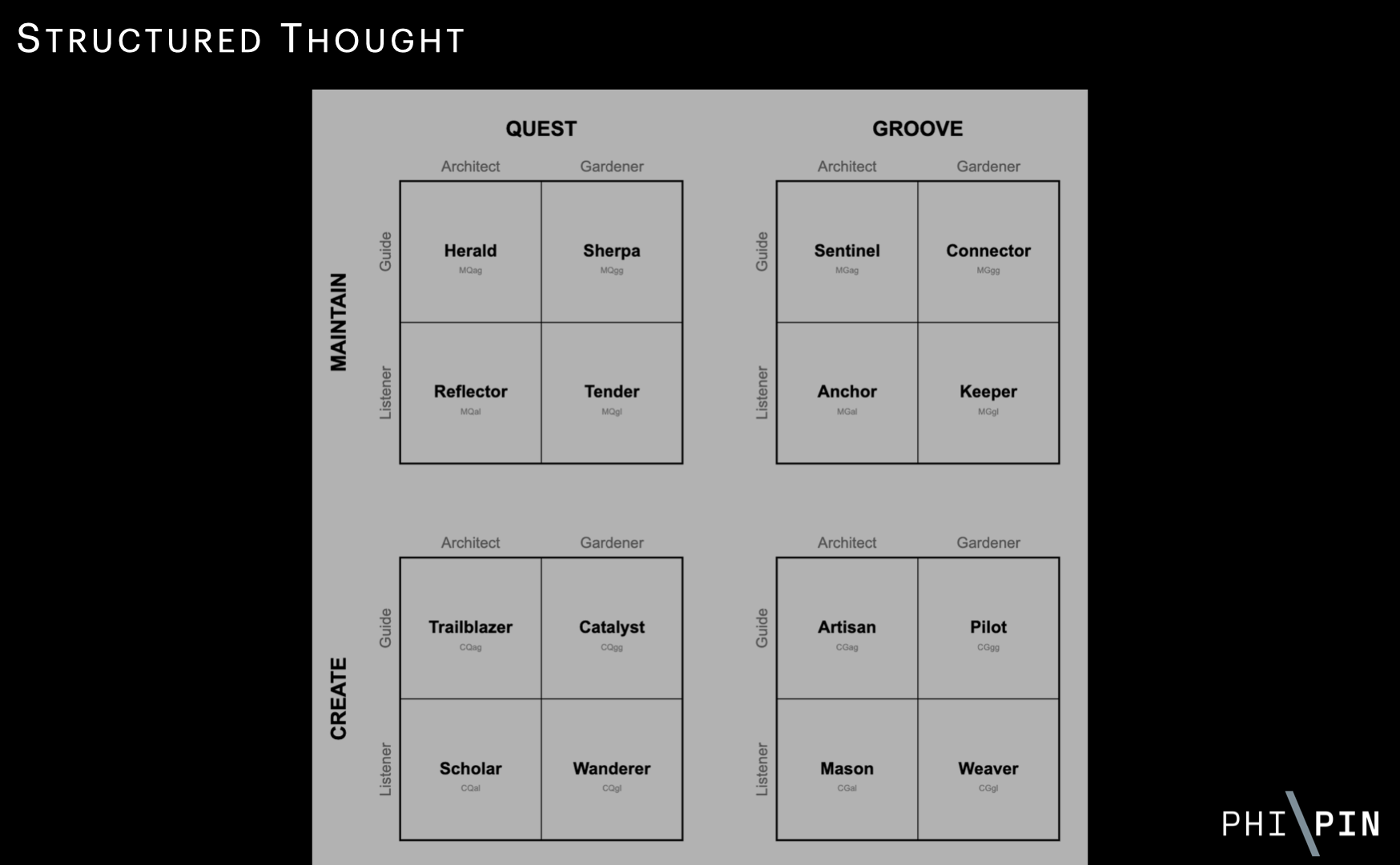
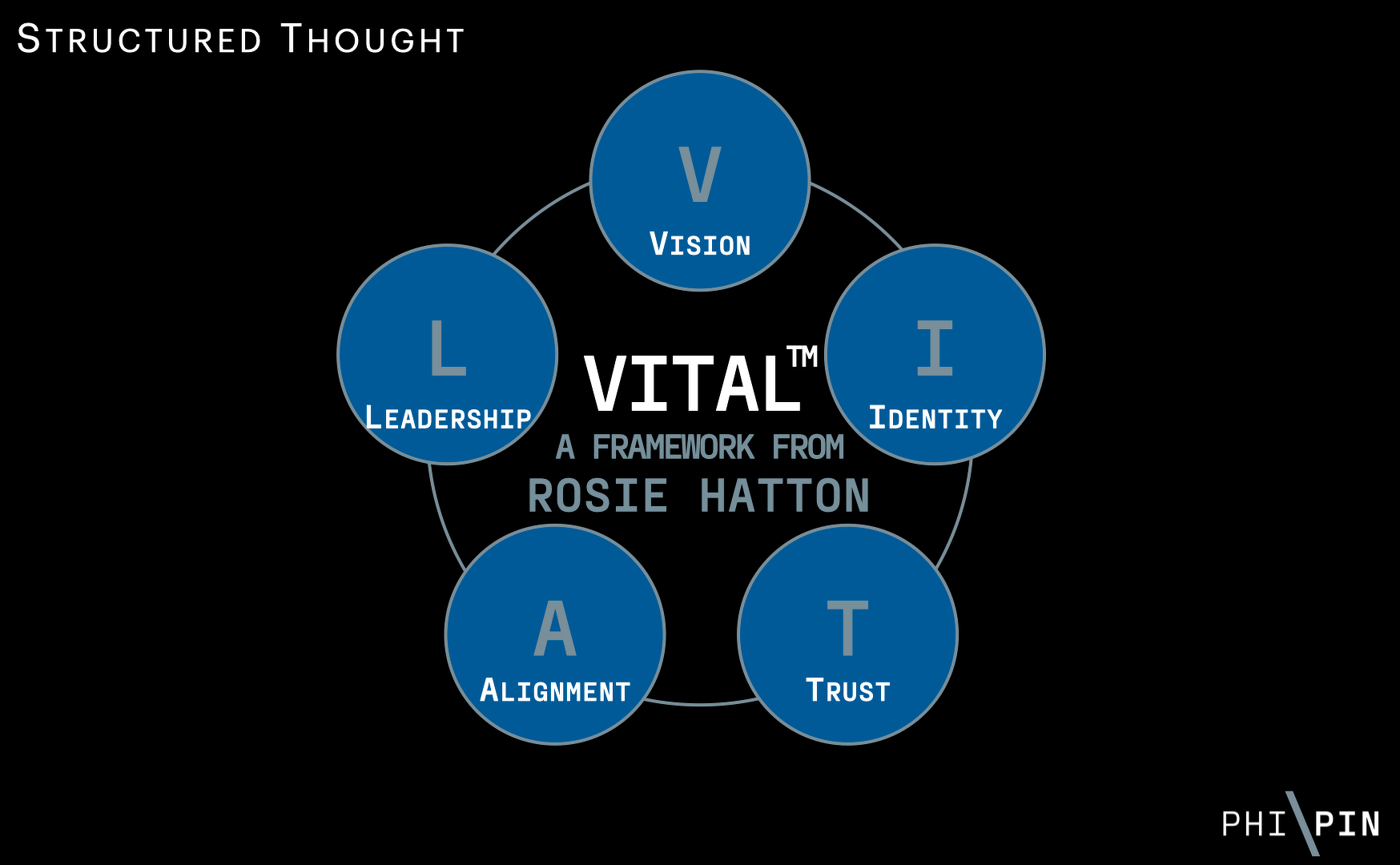
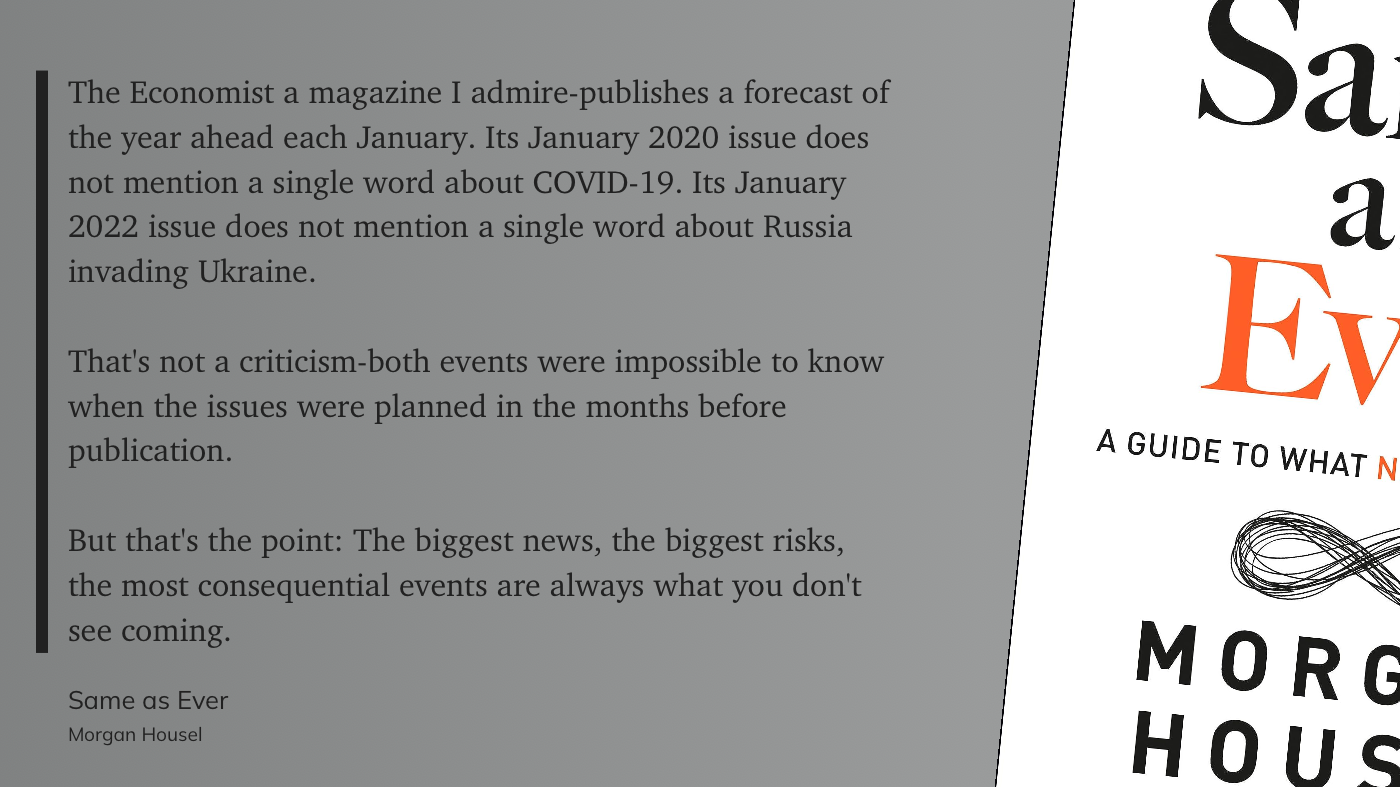
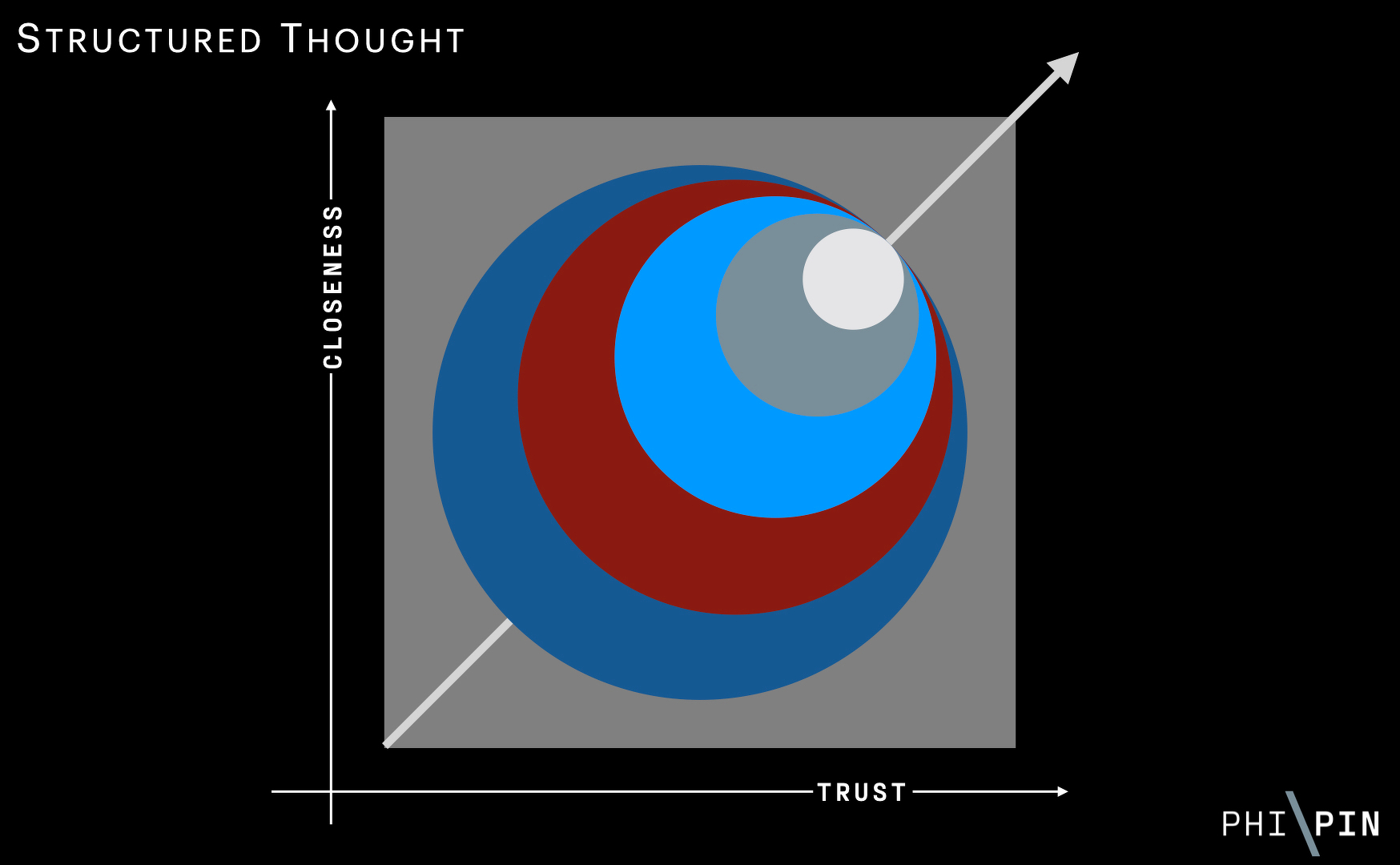
Some commentary for a change. Just spotted a version of this on LinkedIN and tracked it back to the source - Rosie Hatton. Like us all - I do spot a lot of frameworks that I look at move on and never go back to. This one is different. So sharing. Nicely done - and very appropriate for 2026. Thank you Rosie.

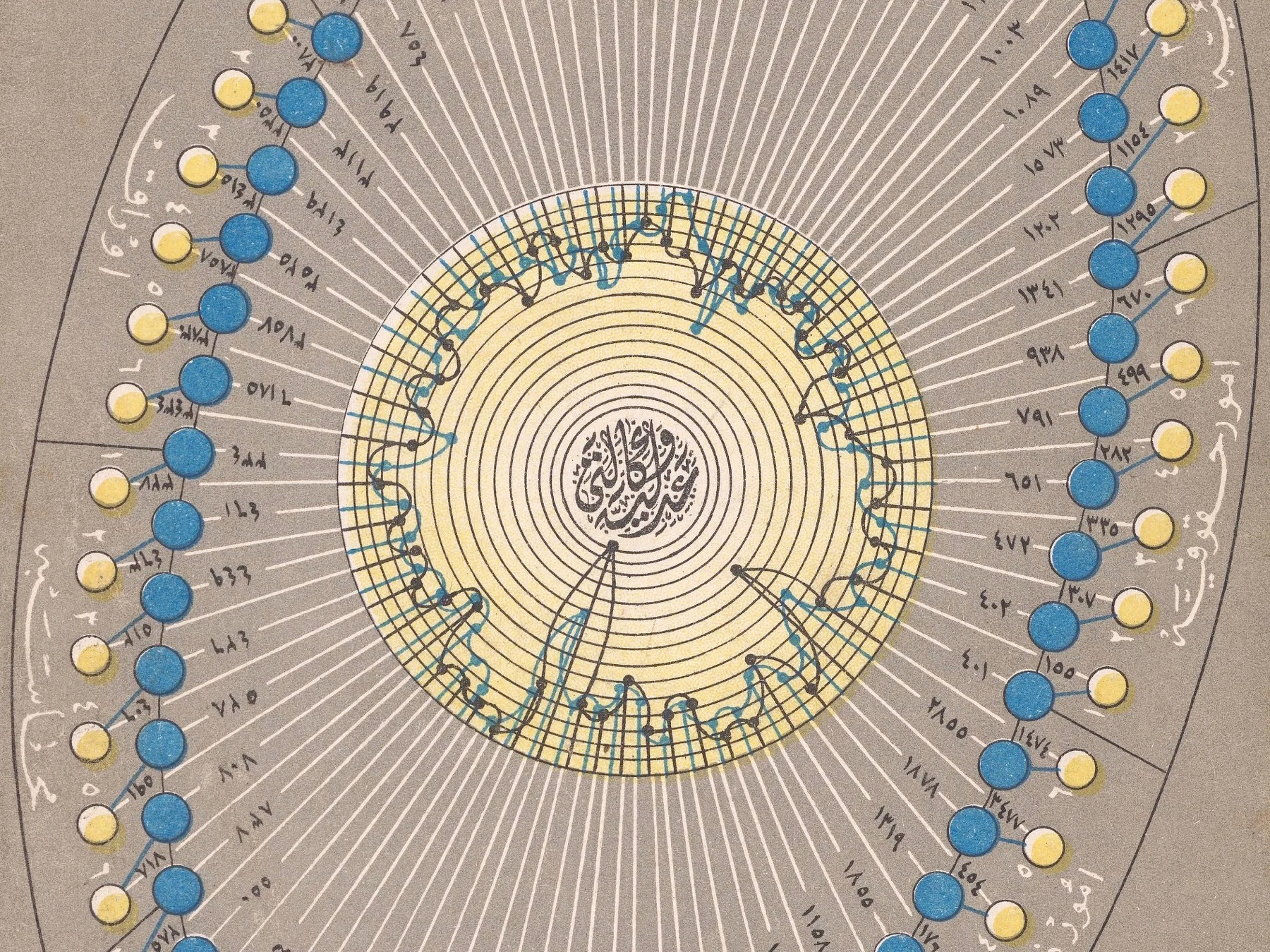
🔗 Covers from Cerîde-i Adliye, a Turkish Law Journal (1924–26) - The Public Domain Review
🕋 Structured Thought from a 100 years ago.
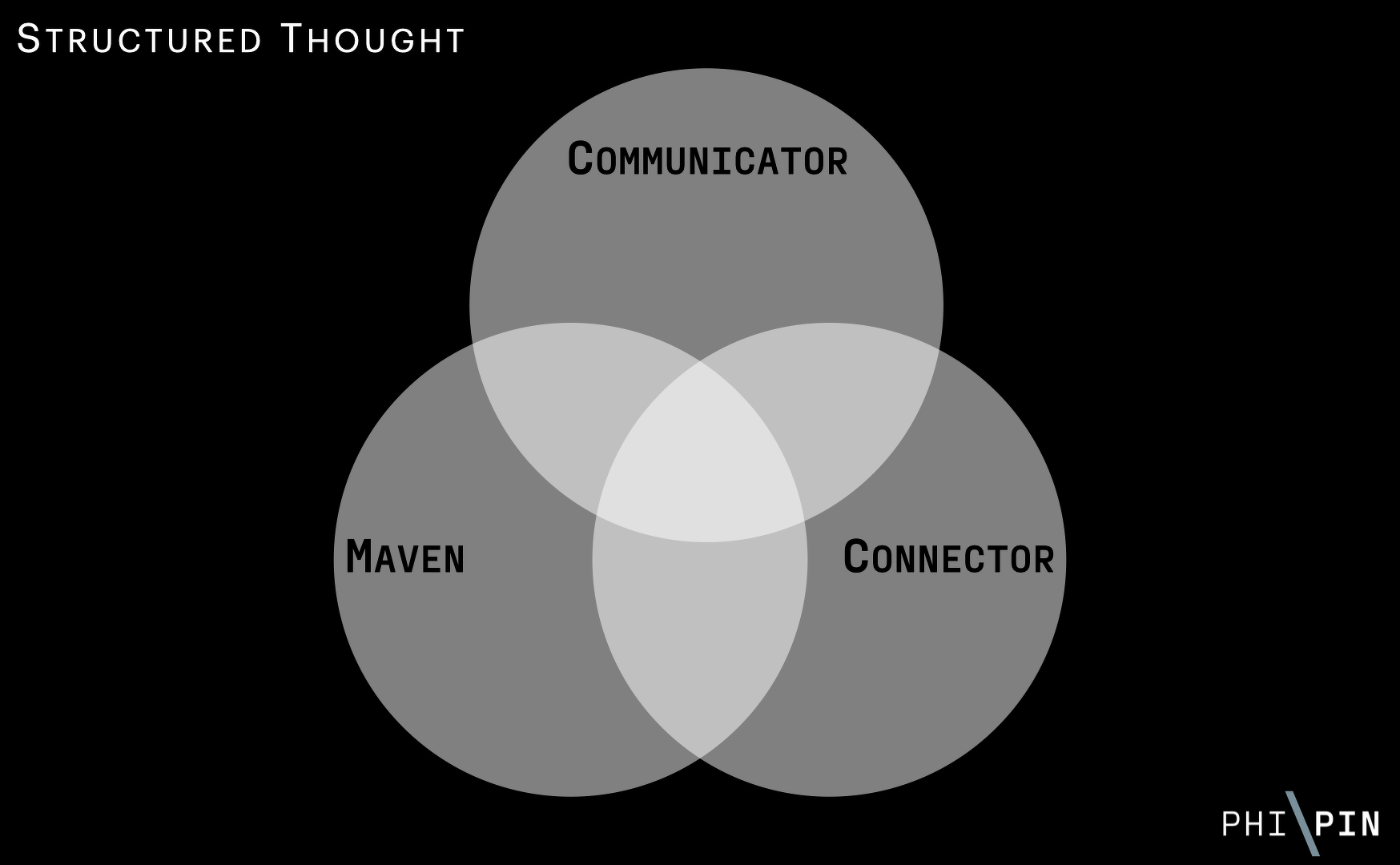
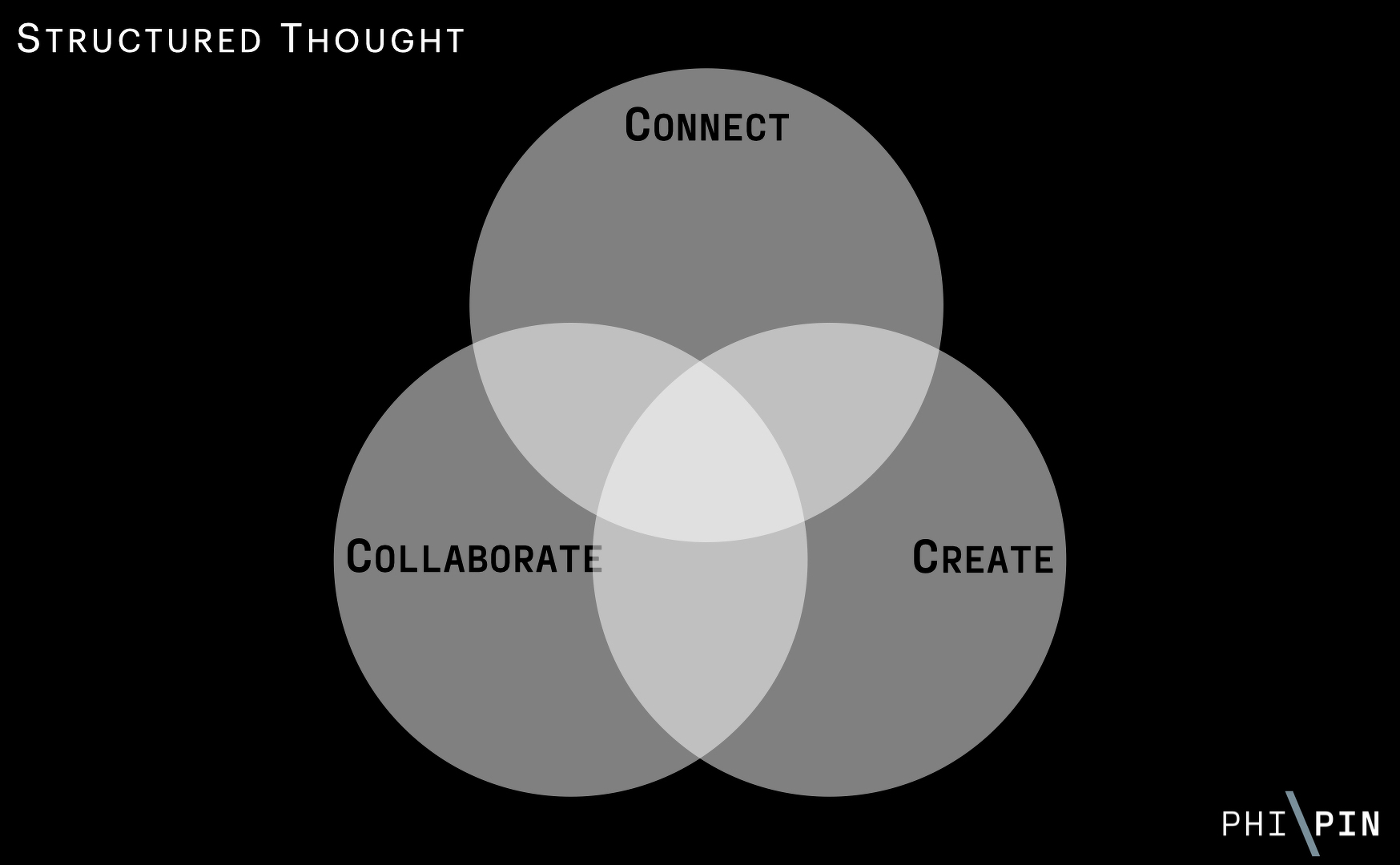
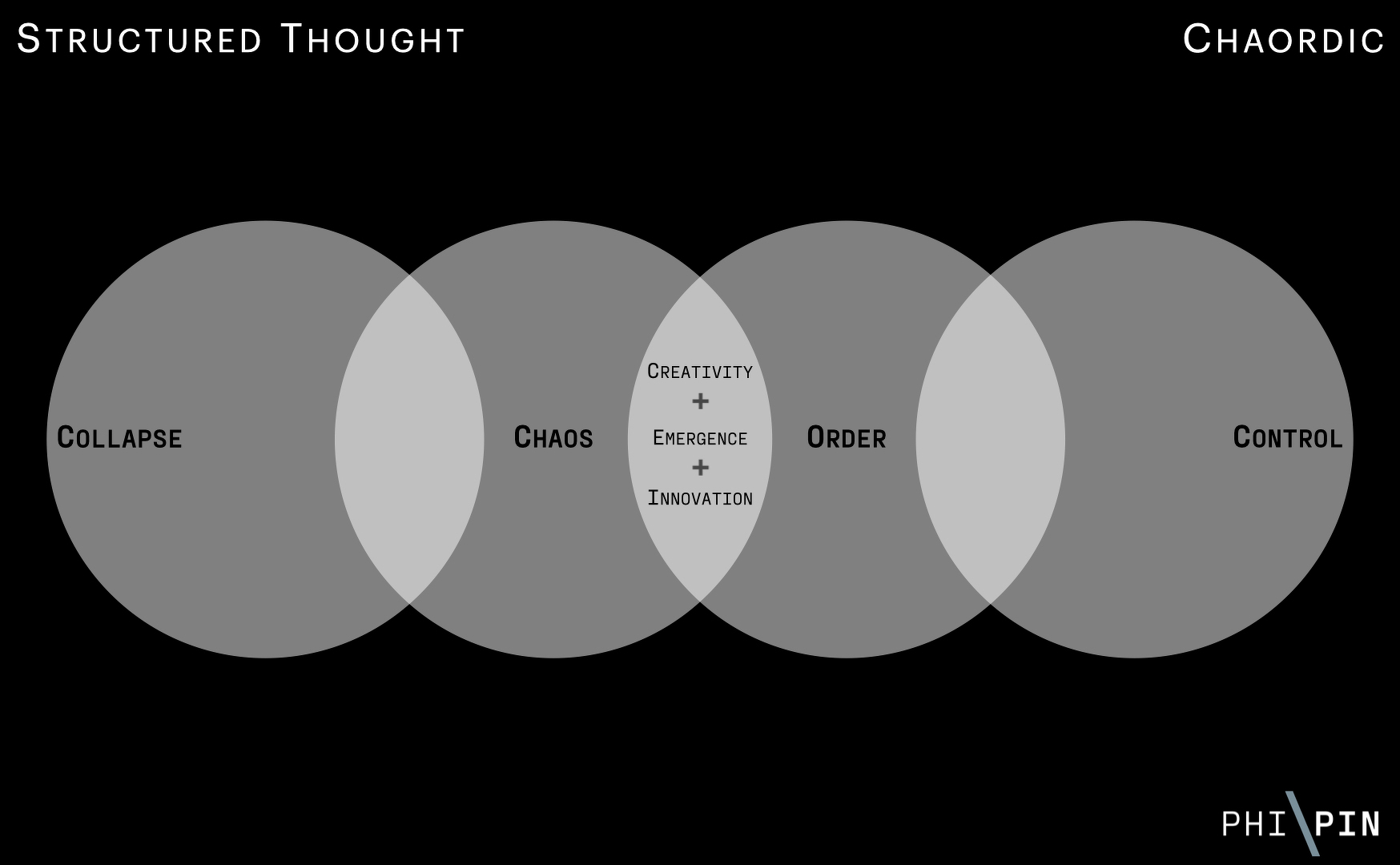
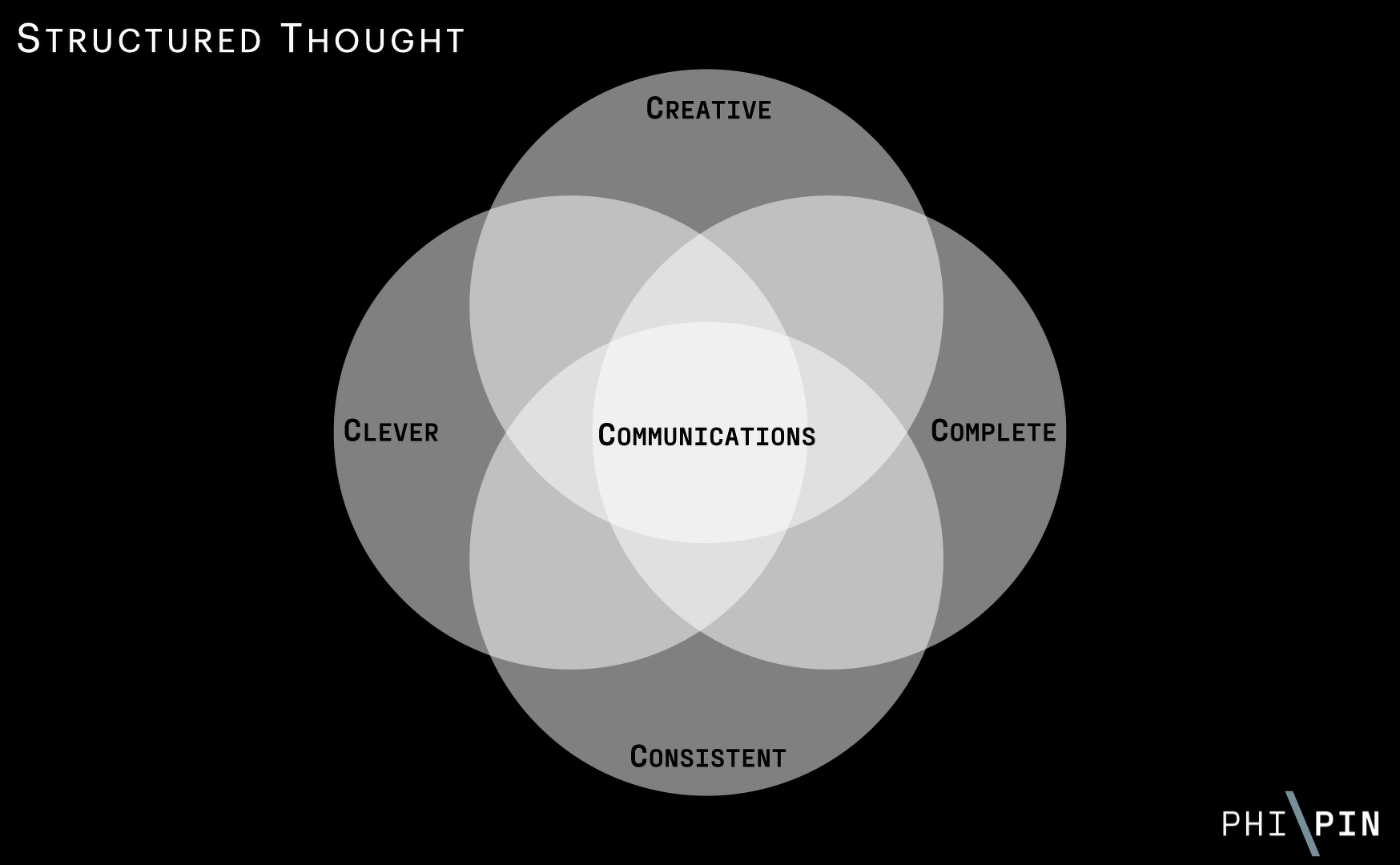
🏢 Interesting to read this today, because I have been writing similar things myself - albeit from a different angle. The words will be published soon and I will return and link later.
Your website is no longer just a destination. It’s a source. It’s the canonical, structured, well-maintained origin point from which your message gets picked up, interpreted, summarized, and carried elsewhere. The better that source material is, the better it travels.
Think of it this way: Your website used to be the store. Now, it’s also the warehouse. And the warehouse needs to be organized well enough that anyone (human or machine) can find what they need, understand what it means, and carry it somewhere else without losing the plot.
💬 Tim Chambers
🔗 Websites As Canonical Sources, Not Just Destinations.
The problem of course is that to be both a warehouse and a store is a very tall order - not impossible, but certainly not easy - because you need clarity on what you’re doing and why.
The website exposes whether you have it - and if you don’t - I’ll bet a pound to a penny that your web site designer/developer won’t.
That’s why we start at the opposite end - where websites are outcomes of clear thought, strategy and data architecture.
Org Charts: Why They Are Wrong
Let me count the ways - but for now a short primer ….
Wrong - In What They Are
-
A static snapshot in a dynamic system - Org charts freeze people in place, in a world that’s fluid, adaptive, and always in motion.
-
An illusion of control - They suggest neat lines of authority, when actual influence flows in networks, whispers, and Slack threads.
-
A power fantasy - Designed more to reassure executives than to reflect how things really work on the ground.
Wrong - In How They Are
-
Too hierarchical, too linear - Most charts resemble military command structures in an age that demands collaboration and cross-functionality.
-
Built top-down, not inside-out - They reflect formal reporting lines, not value creation, lived relationships, or trust pathways.
-
Exclusionary by design - Contractors, advisors, ecosystem partners, AI tools? Nowhere to be seen, yet often critical to delivery.
Wrong - In the Information They Contain
-
Titles ≠ capability - Job labels are vague proxies. They reveal little about what someone is great at, trusted for, or actually doing.
-
Missing the real flows - No view of how decisions are made, who connects teams, or where knowledge is hoarded vs. shared.
-
Performance blind - They say nothing about value contribution, outcomes, energy, or momentum.
Wrong - In How Work Is Understood
-
They reduce people to boxes - And forget that work is a web of conversations, motivations, tensions, experiments, and progress.
-
Ignore emergence and adaptability - Real work happens across silos, shaped by informal leaders, not always those in bold font.
-
Reinforce outdated logic - Built for predictability and scale, when today’s work is about learning, iterating, and adjusting on the fly.
The Fractalisation of Work
To understand how the fractalisation of work (doesn’t) work - consider ‘the taxi’, the definition of which is in the process of being redefined as a personalised vehicle that will take you for a to b.
That continues - BUT … it also used to be a place for …
-
Human conversation - spontaneously - about local gossip, life advice, or even silence. And all without algorithmsmonitoring sentiment.
-
A helping hand, someone who’d load your luggage, not because it was required, but because that’s what people do.
-
Navigation expertise by someone who knows the backstreets better than GPS, and magically avoid traffic lines.
-
The ‘welcome committee’, offering recommendations for where to eat, what to avoid, and how to make the most of your stay.
-
An interpreter or cultural guide, especially in unfamiliar cities or countries, bridging gaps in language and local norms.
-
A protector that waited until you got safely inside your home or hotel before driving off.
-
A confidant that listens to everything from your job woes to relationship breakdowns .. no subscription required.
-
A fixture of community memory in the form of a driver who knew your parents, remembered your last trip and asked after your kids.
-
A micro-economy participant, in that they often owned their vehicle, had real agency over hours, routes, pricing, and long-term plans and what they earned was part of the local economy where they plied their trade - no profits siphon off and extracted to the banks of the ride share company.
-
A professional, who knows that the job isn’t just driving, but care, awareness, and service - all wrapped in experience.
None of which is really provided by the things replacing taxis …
And yes - I know that doesn’t describe all Taxis - but it certainly describes the good ones.
About This Blog - Part Two
After this, I asked for “the top 5 themes of the entire blog - and how those themes might be categorised.”
⸻
1. Systems vs People
Category: Human-Centric vs Mechanistic Worlds
This is the spine. You’re constantly examining how systems — corporate, political, digital, economic — drift away from the people they’re supposed to serve. The writing teases out the gap between stated purpose and lived reality. When you pull the thread, it usually reveals misaligned incentives, bureaucratic decay, or the slow capture of human agency by structures not built for complexity.
This theme is broad, but it’s recognisably yours: the quiet insistence that the world works better when humans aren’t an afterthought.
⸻
2. Digital Culture & Identity
Category: The Internet as a Social Mirror
You’ve been tracking digital behaviour long enough to see its cycles. Posts float between the technical (protocols, decentralisation, identity plumbing) and the cultural (“what is the internet doing to us?”). You keep returning to the tension between centralised power and distributed potential — especially identity, agency, and data ownership.
There’s a through-line about the internet revealing who we are, not who we pretend to be — and how platforms distort that mirror for profit.
⸻
3. Organisational Drift & Work Dysfunction
Category: Structural Failure in Modern Work
You dissect how organisations lose the plot: misaligned goals, leadership illusions, management fads, the tyranny of systems of record, and the way noise crowds out thinking. It’s not just critique; it’s pattern recognition. You keep orienting back to: • why clarity erodes • why communication collapses • why strategy gets replaced with theatre
This is the foundation of your People-First and Structured Thought work — the blog was the long preamble to those frameworks.
⸻
4. Politics, Power & Narrative
Category: How Stories Shape Systems
Politics shows up not as team sports but as a study of power mechanics: incentives, misinformation, propaganda, social drift, and institutional self-preservation. You’re tracking how political narratives shape behaviour, how media distort signals, and how systems use confusion as a feature, not a bug.
It’s less “left/right” and more “how does power behave when no one’s watching?”
⸻
5. Personal Reflection as Calibration
Category: Lived Experience as Data
Scattered between analysis are personal markers — moments of doubt, frustration, humour, curiosity. These aren’t diary entries; they work like calibration points. They show why you care about the themes above and how your lens shifted over time.
It’s not nostalgia — it’s grounding. The personal posts remind the reader (and you) that all the system-wide reasoning still begins with lived experience.
⸻
How These Themes Organise Themselves
If you zoom out, the five themes collapse into three overarching categories:
A. Systems Analysis
• Systems vs People
• Organisational Drift
• Politics and Power
These posts decode how things really work — beneath the surface narratives.
B. Digital Life and Identity
• Digital Culture
• Decentralisation
• Protocols, platforms, incentives
This is your long-running preoccupation with how the internet reshapes agency.
C. Personal Lens & Human Anchors
• Reflections
• Observations
• Small signals
They keep the whole thing from becoming a cold systems textbook.
About This Blog
What is this blog about? Apparently it serves as a reflective exploration of complexity in various systems, highlighting the disconnect between theoretical frameworks and real-world behavior, while aiming to promote thoughtful navigation through that complexity. Who knew? Click through to read the why, the method and the overview.