Pageless Writing Apps
🔗 Lex raises $2.75M for its AI writing tool that helps writers get past blocks.
The AI stuff is cool, but there was one thing about this app that made me want to keep using it: It has no historical baggage. I find it odd that many modern word processors like Google Docs and Word retain a bias toward pagination — the UX is intended for printing documents onto letter-sized paper. Lex, in contrast, does away with all that.
💬 TechCrunch
Been exploring 🔗 Lex.page for a couple ‘ months. I even pay - but not yet used it enough to know whether I am going to continue to pay.
That said, the above quote is interesting and I agree with the ‘historical baggage thought - but they are hardly at the vanguard of that kind of thinking!
It as if the writer has never heard of;
- Craft
- Ulysses
- IAWriter
- Drafts, et al
Let alone, Obsidian, Roam and Notion
Side note - Craft. Most definitely a personal favorite. And I am increasingly using it to share thoughts, ideas, minutes, reports to specific audiences - most often under ‘loose’ password control.
Cant wait to get my hands on the new stuff they have in Beta - though even that still wont solve what I really really want!
Adding to which their own foray into AI support, I just want to tie apps like that into a single world - and not have different versions of different LLMs spread around various apps. ANNOYING.
Via John Naughton
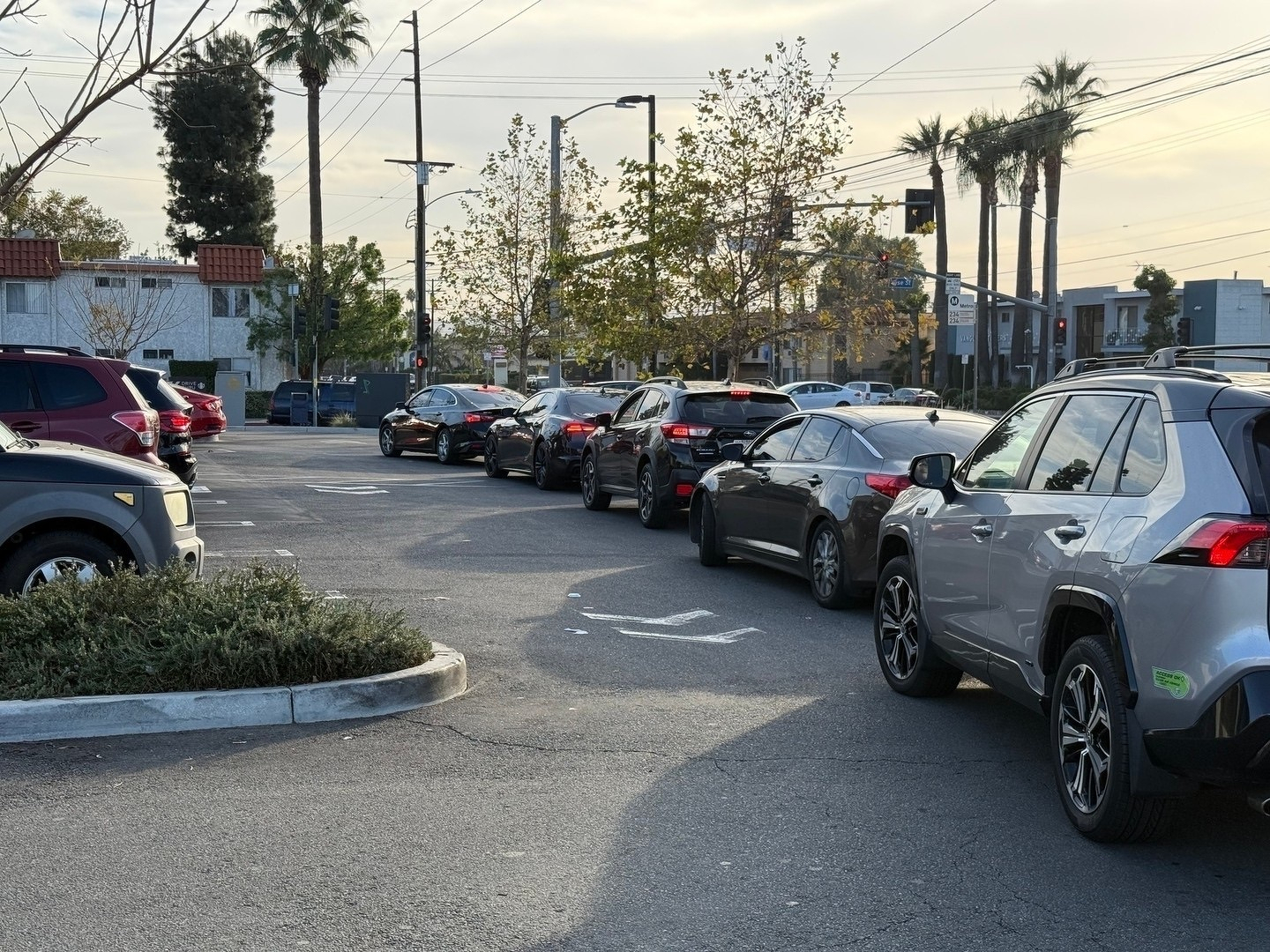
👁️ It is three times the price to rent a car in the center of Auckland for the day than on Waiheke Island - that does not compute.
Someone’s Having A Larf …
It’s the billion-dollar baby of artificial intelligence. Safe Superintelligence Inc., the AI startup launched by former OpenAI chief scientist Ilya Sutskever, announced Wednesday it had raised a whopping $1 billion from big-name venture capital firms, including Sequoia and Andreessen Horowitz.
That’s a huge amount of money for a three-month-old company with 10 staffers, no product and a “singular focus” on creating “safe” AI rather than a money-making product (at least in the short term).
💬 The Information
Shout Outs To @dsearls@journa.host and @dave in the 🔗 latest entry from ‘Jobsworth’
BTW - while I am here 🔗JP published another great post the other day about Cricket - specifically Cricket stats and records.
He opened with:
You have been warned. This one’s for hardcore cricket nuts. Red-ball nuts. Five-day nuts. The hardest of the hardcore. No coloured pajamas here.
I am definitely not a hardcore cricket nut - and still read the entire thing to the end. Fascinating.
Me:
What about tomorrow?
Reply:
Would be good except that I will out of town celebrating my first wife’s, second husband’s, 70th. Should be a good bash.
.. now that’s what I call an extended family that truly embraces the concept.**
📺 Kleo
Each episode kept me coming back for more. An increasingly difficult thing to do in theses ‘streaming times’.
Kleo on 🔗 Reelgood

No Words.
People Don't Read Anymore - Except When They Do.
🔗 Raw data: Book and newspaper consumption - Kevin Drum
There is a mantra in the world that people ‘don’t read’ (anymore?).
And on top of that - if they do - (very) short form - definitely not books.
I have long thought this to be wrong.
They certainly might not read your stuff. Or my stuff, but they do read - BUT - they read what interests them , what engages them and definitely not limited to stuff that appears at the top of lists.
Kevin’s short analysis on the data says that today we are spending twice what we spent on physical books 40 (or so) years ago. As he says - buying is not reading (👋🏼 to the Unlibraries) .. but beyond physical books there are ebooks, blogs, newsletters … yup - we definitely aren’t reading any more - except when we do.
💬
💬
💬
I wonder what percentage of people who mumble about ‘systemic change’ actually stop to think what it means AND what it takes.
Pace Layers is a nice starting point to understand the magnitude of what they are embarking on.
The Journey From ‘Word’ To ‘Catalyst’
Prompt:
Write a 5 paragraph article on the topic ‘word’
Response:
The Power of the Word: A Catalyst for Change
Words are more than mere strings of letters; they are the building blocks of communication, carrying the weight of meaning and emotion. From ancient oral traditions to modern digital communication, words have shaped human history and culture. They have the power to inspire, educate, and connect people across distances and generations. The impact of words is profound, making them a vital tool in expressing ideas, sharing knowledge, and fostering understanding.
Historically, words have been instrumental in shaping societies and movements. The speeches of leaders like Martin Luther King Jr. and Winston Churchill rallied people to action, inspiring hope and perseverance. In literature, words have captured the complexities of human experience, from the existential musings in Dostoevsky’s novels to the poetic reflections in Maya Angelou’s works. These words not only entertain but also challenge societal norms and provoke critical thinking, demonstrating their power to influence thought and behavior.
In the realm of business and technology, words play a crucial role in branding and marketing. The right words can convey a company’s mission, attract customers, and differentiate products in a crowded market. In a world where digital presence is paramount, the words used in websites, social media, and advertisements are key to building a brand’s identity and connecting with the audience. The choice of words can evoke emotions, build trust, and foster loyalty, highlighting the strategic importance of language in commerce.
Words also have a significant impact on personal development and relationships. They can uplift and encourage, or they can wound and alienate. Positive affirmations and constructive feedback can boost confidence and foster growth, while harsh criticism and negative language can have the opposite effect. In relationships, words are the means through which love, empathy, and understanding are expressed. The way we communicate with others, the words we choose, and the tone we use can strengthen or strain connections, underscoring the importance of mindful communication.
In essence, words are a catalyst for change, capable of shaping our world in myriad ways. Whether in public discourse, personal interactions, or creative expression, the words we use carry immense power and responsibility. As we navigate an increasingly interconnected world, the careful and thoughtful use of words becomes ever more critical. By harnessing the power of words wisely, we can inspire positive change, foster deeper connections, and contribute to a more understanding and compassionate world.
Prompt:
Please distill this article to a single word … (pasting previous output into the prompt)
Response:
Catalyst
So there you have it.
‘Word’ is a ‘catalyst’.
‘Word’
🔗 Shocking revelations about Sarah Wilkinson’s arrest and bail conditions
I am hoping there is another side to this story. But so far - only a hope.
💬

I don’t hate them .. they’re just talentless nobodies from 30 years ago with very loud mouths that I assume have run out of money and neither of them can make more on their own … that I couldn’t give a fuck about.
🎥 SAS: Red Notice, 2021 - ★★★

It is what it is. Of a kind. Set up for a sequel that prolly won’t be made. Netflix calls it something different. Don’t know why.