
Recent Replies
@derekpeden let them eat cake 😎
@lmika Can’t quite put my finger on it but there is another dimension … I am most definitely not a developer .. state of the art for me was Wordpress , plugins, maybe Elementor and CSS dabbles .. if I wanted more I had friends or .. I paid .. or more often than not did nothing. That has radically changed .. I’m not planning to build anything that will see the light of day as a product others can use .. but in my business world we are building those … with real developers who know what they are doing .. somewhere there is a 2 * 2 ..
@amerpie … wait no mention of Larry or Mike? Something is amiss. Turns out that this version was a cover .. Mike gets the writing credit .. but no mention of Larry .. because he isn’t on this version.
Behold … the original
personally .. I blame 🍎who are very very bad at monging covers, originals and compilations.
But yes .. great show, great theme and Larry sirs in a class of his own (well - if you don’t count Pat).
I see the Peaky movie is out and in my local cinema.
@cheesemaker nicely done sir.
@bradenslen even the people who didn’t understand … even hated Zappa at the time - miss Zappa.
@artkavanagh so more ‘début de siècle’ 😉
… though I fear the pessimism, world-weariness and dare I say l’ennui will continue - at least until the first coffee of the new era kicks in!
@MitchWagner haven’t read it .., but is this the one that is so fast that it downloads stuff before I’ve even thought about downloading the stuff?
@numericcitizen well she’s been at Apple for over a decade
@MitchWagner feed curation is the future .. not sure we have all that we need to do it just yet.
@Bruce ’twas a bit of tongue in cheek - though in fairness - Galloway is leading the charge on boycotting some pretty big names - but yes. Re the new font - not sure if they have plans - but it would be great to it move into a larger collection of anti Tяump isms.
@MitchWagner Time to dust off a particularly wonderful album
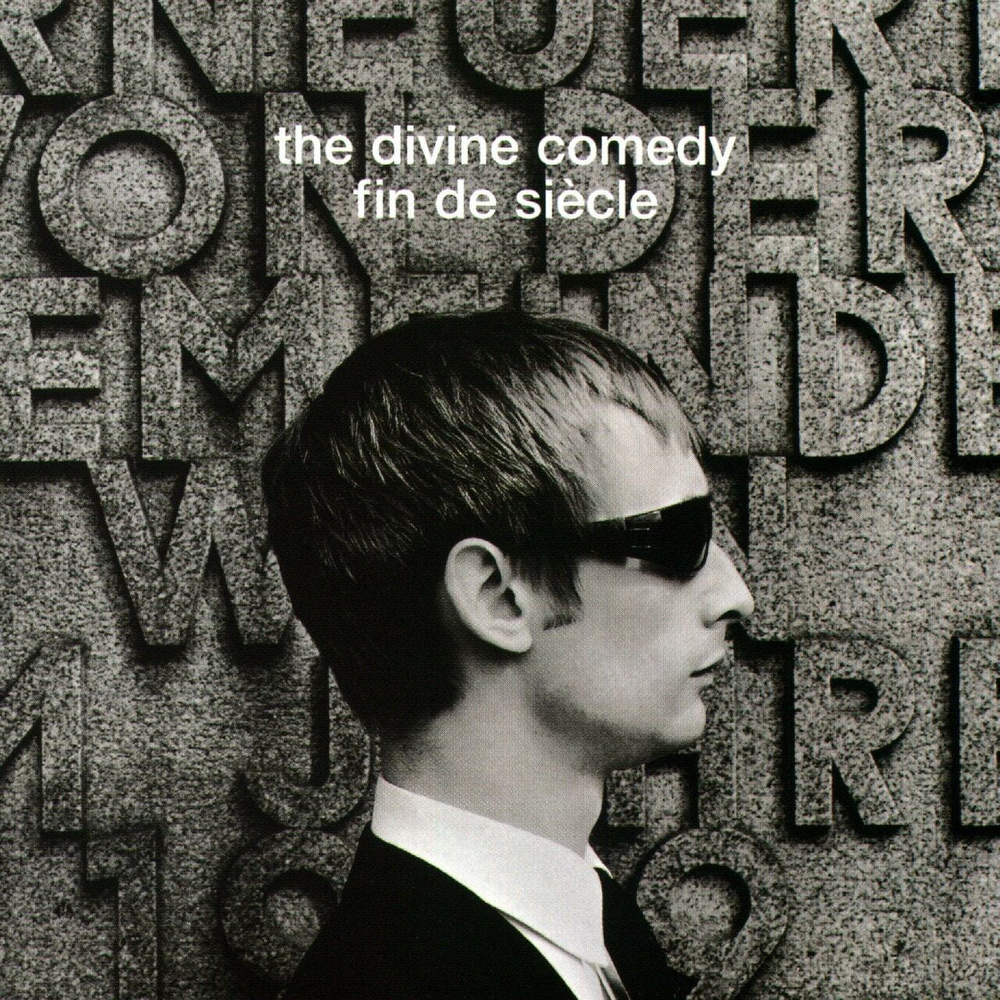
@amerpie formative track … indeed album for this bear … along with the eponymous 12” that preceded … and yet with number 3 onwards they kind of lost me … still love those first two though.
@damon.kiesow.net I think FIFA meant ‘Piece Prize’
- Piece of Pizza
- You want a piece of this?
- Nice piece - shame if something should happen to it.
- Taking my piece. Now.
I came - I saw - I left it in pieces.
@damon.kiesow.net Did they sto after you unsubscribed? If not this could be the modern twist on Capone and taxes.
@justinbaragona.bsky.social Because it is 2026