💬
Dear 🍎
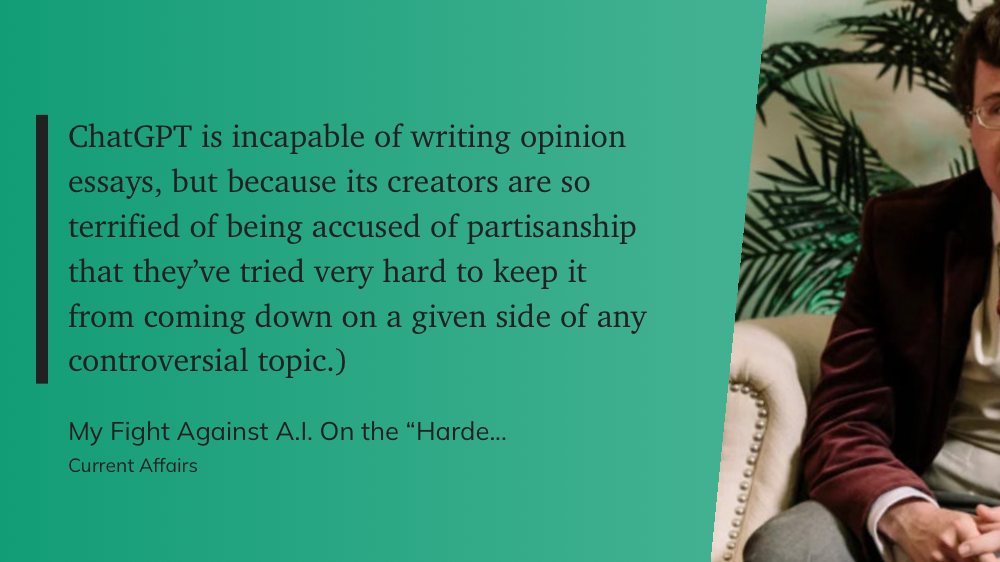
Thank you for highlighting that this post was generated by AI. It’s a step. A small step - but nonetheless - a step.
Now - for the next act - how about …
(click through to see the comments for your starter pack)
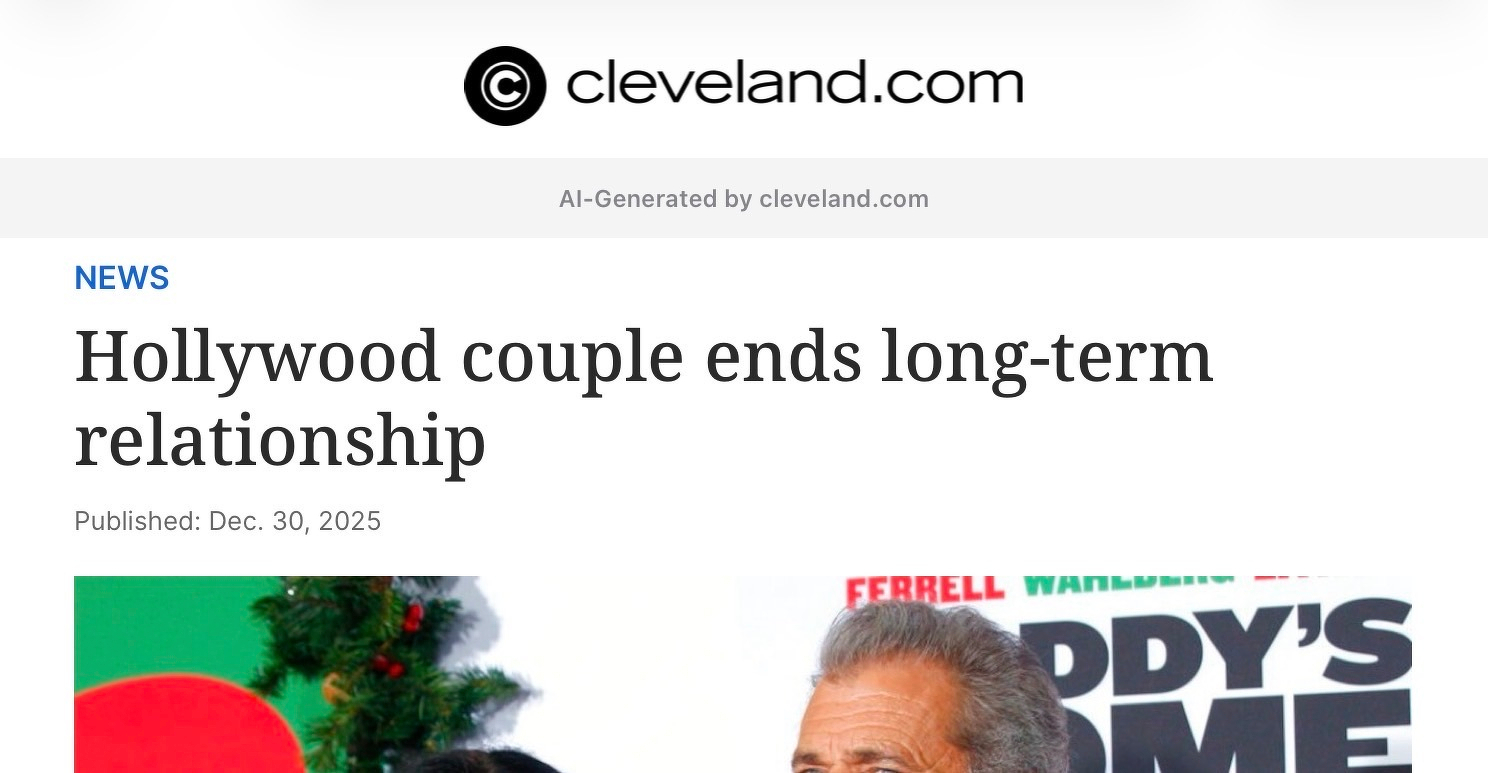
🔗 Using AI-Generated Images to Get Refunds - Schneier on Security
And they say AI reduces human creativity❗️
🎉 Happy New Year 🎊 to all - and may 2️⃣0️⃣2️⃣6️⃣ be a vast improvement over last year.
🔗 The Receipt That Sparked A Resolution
Lovely. Have a better 2026 than 2025.
Manager: “Today, I need the caffeine more than I need the dignity.”
🔗 Daring Fireball: Photoshop 1.0 and the Early Macintosh HIG
Only a fool dismisses the collective knowledge passed down by those who came before us.
💬 John Gruber
It would be hard to disagree. AND it isn’t just in tech … and design - there do seem to be an increasing number of ‘fools’ in the world across all disciplines. AND they are given louder and louder megaphones.
Maybe the real FOOLS are the enablers.
I like Ben’s approach to ‘Resolutions’ : 🔗 A 2026 checklist - not least because 🔗 the usual approach is more often than not going to fail.
Might try it along side of my 🖇️ 3Words approach.
🔗 ExtraBar - Custom Menu Bar for macOS
Apps like Bartender and Ice help hide icons, but they don’t help you actually do things faster. I wanted deep links, custom actions, and keyboard shortcuts without installing a dozen helper apps.
I appreciate the 14 day money back gurantee - but no real clues as to how this is going to generally work - let alone specfically for me …
I know about it because of @ameripie - who clearly likes it. $9.99 - what can go wrong?
Not yet finished the series - which is telling even of itself - but my review is likely going to lean towards 🎬🔗 Andrei’s
Sometimes the 2025 reviews seem to be so heavy with bad news:
🔗 12 NASA Satellite Images That Tell the Story of Earth in 2025
But sometimes - the good news does just pushes through.
Have a better year than 2025
Today’s Surprise From History - 🖇️ Fonts are not just a 2025/6 thing
😂😂😂
My sense of the “right” way to handle this puzzle is to think of it as a network and use some powerful result from graph theory to solve it in an instant. But since the only thing I know about graph theory is that it exists, I went about it differently.
💬 Dr. Drang
At first blush, the German heist strikes me as less Oceans 11 and more Sexy Beast.
Engage - Enable - Excite

I’ve been doing this every year since 2019 - which means that this is my 8th rodeo. (My previous words are here.)
After eight years of ‘three words’, you’d think I’d have this all figured out by now. BUT - Intentional | Inspired | Impactful ? To be honest - not as much as it could have been.
‘Intentional’ was meant to be about something more than preparation.
‘Inspired’ is meaningless if it is only in my head.
‘Impact’ requires you to impact something. It hasn’t. At least not in a meaningful way.
Turns out that 2025 was a lot of ‘getting ready’. Not enough ‘doing’. Not to say ‘doing’ was totally absent - but maybe ‘the wrong doing’? Although ‘bread was placed on the table’ - so there is that. Bottom line - it all adds up to 2026 needing to - being - different.
My 3 words for 2026
To remind you dear reader - the words are neither plan, nor strategy - nor even ‘resolutions’ (Freakanomics on that topic). Rather my guardrails for the year ahead - and yes - alliteration once more rears its head.
Engage

Engage by Leighton Robinson on Unsplash
All the interesting work happens at the boundaries. Where people and technology intersect. Where the gap between ‘what we say’ and ‘what we do’ is visible.
SHARED LESSON
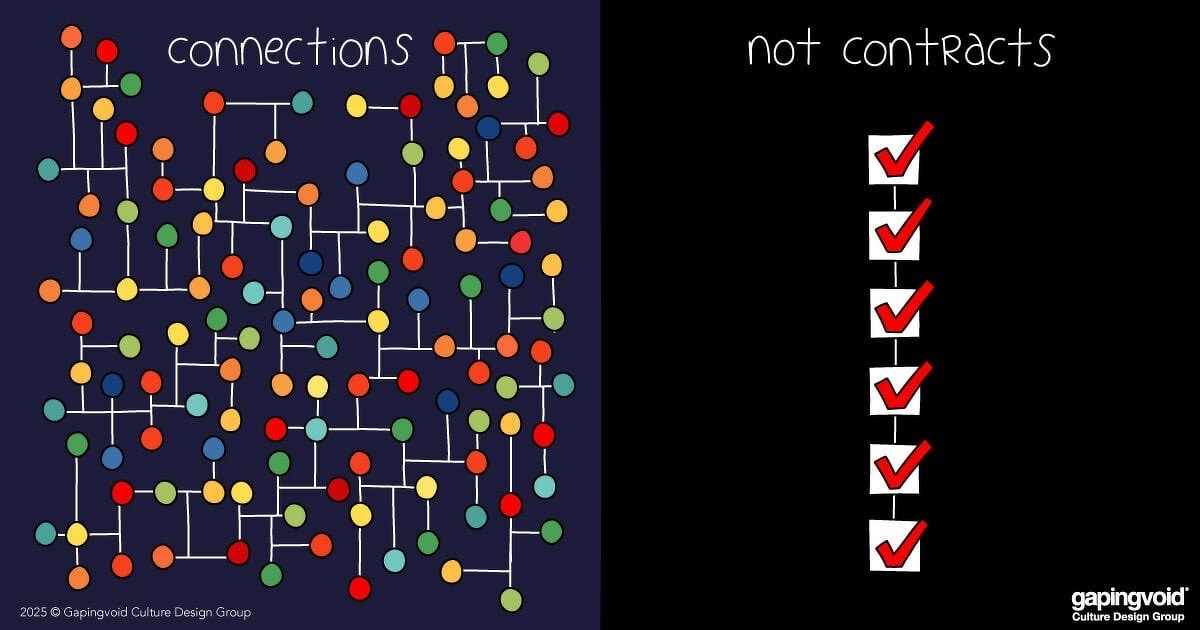
I can’t do this by myself. Nobody can. So let’s get that on the table.
Enable
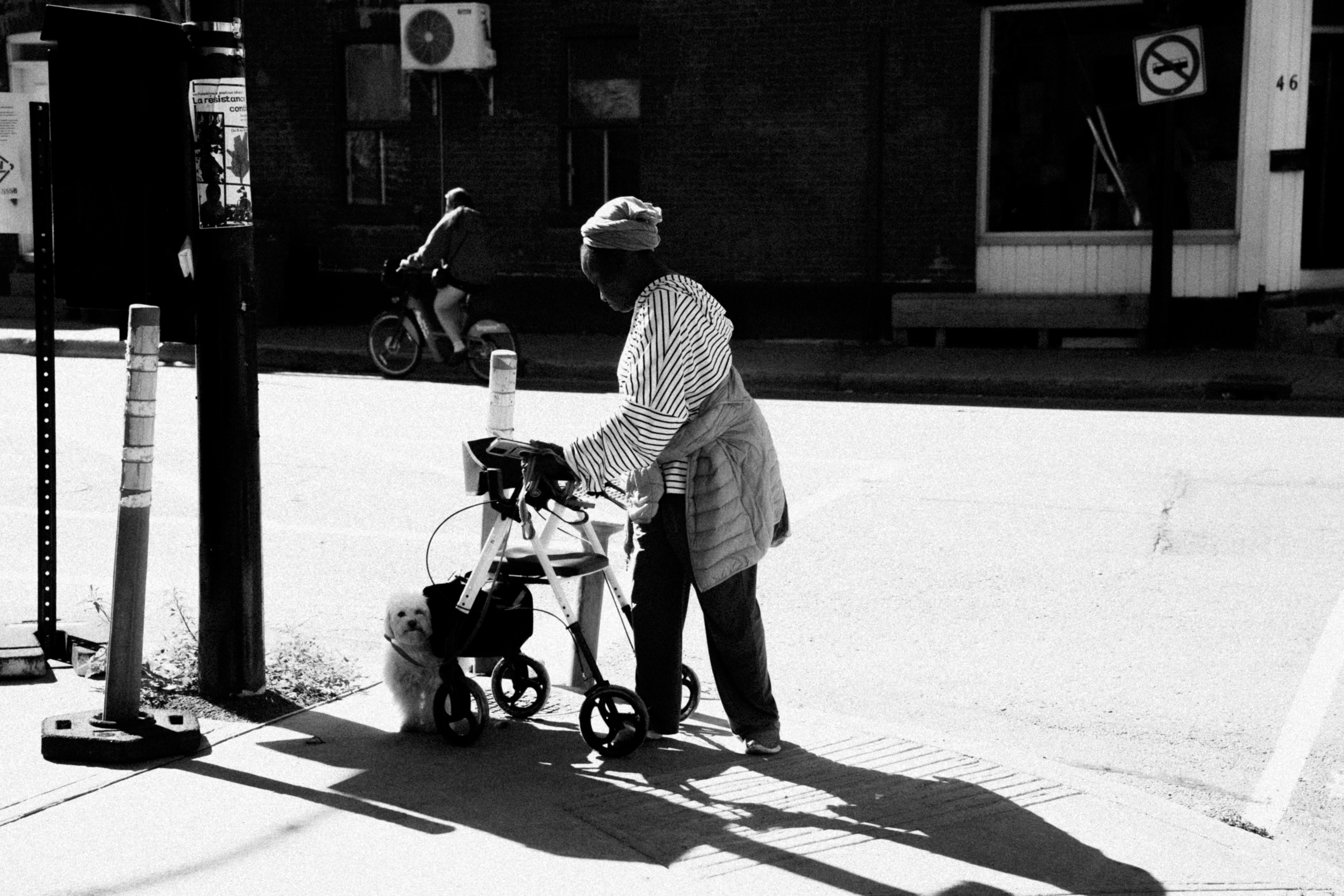
Enable by Leighton Robinson on Unsplash
No more building things. It’s about creating the conditions - the frameworks, the readiness, the structured thinking - that lets you do the work yourself.
SHARED LESSON
Enable capacity. Enable connections. Enable coherence.
Excite

Excite by Jen Theodore on Unsplash
When the conditions are right people want to participate. Friction is removed. Possible becomes fact. That’s when excitement takes over.
SHARED LESSON
Light the spark, don’t control the fire.
Does this resonate? Want to talk more? I would love to.
Let’s set up some time to explore how Structured Thought can be used to help your business transition from the ‘Age of Compliance’ to the ‘Age of Experience’.
Until Then - Have A Great Year.

I’ve been doing this every year since 2019 - which means tonight is my 8th rodeo.
Previous Years
📅 2019 - Uncertain | Less | Different
📅 2020 - Believe | Move | Ascend
📅 2021 - Transform | Transition | Transcend
📅 2022 - Clear | Closer | Choice
📅 2023 - Focus | Flexible | Fabulous
📅 2024 - Transform | Transition | Transcend (sic - see 2021)
📅 2025 - Intentional | Inspired | Impactful
Everything can change on a new years day
Everything can change on a new years day
Everything can change on a new years day
And everything changed on a New Year’s Day
💬 Rage Against The Machine
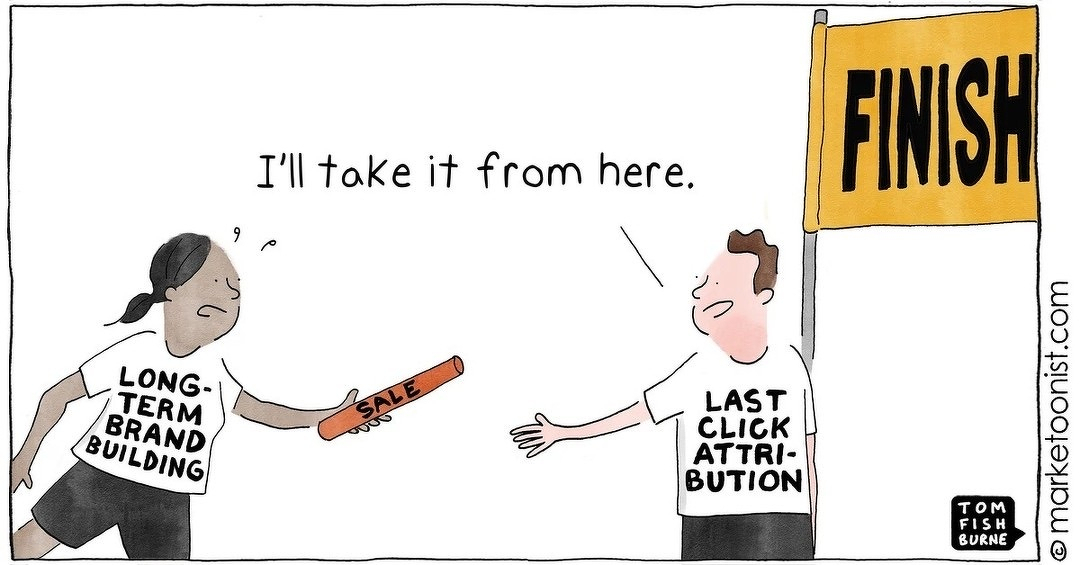
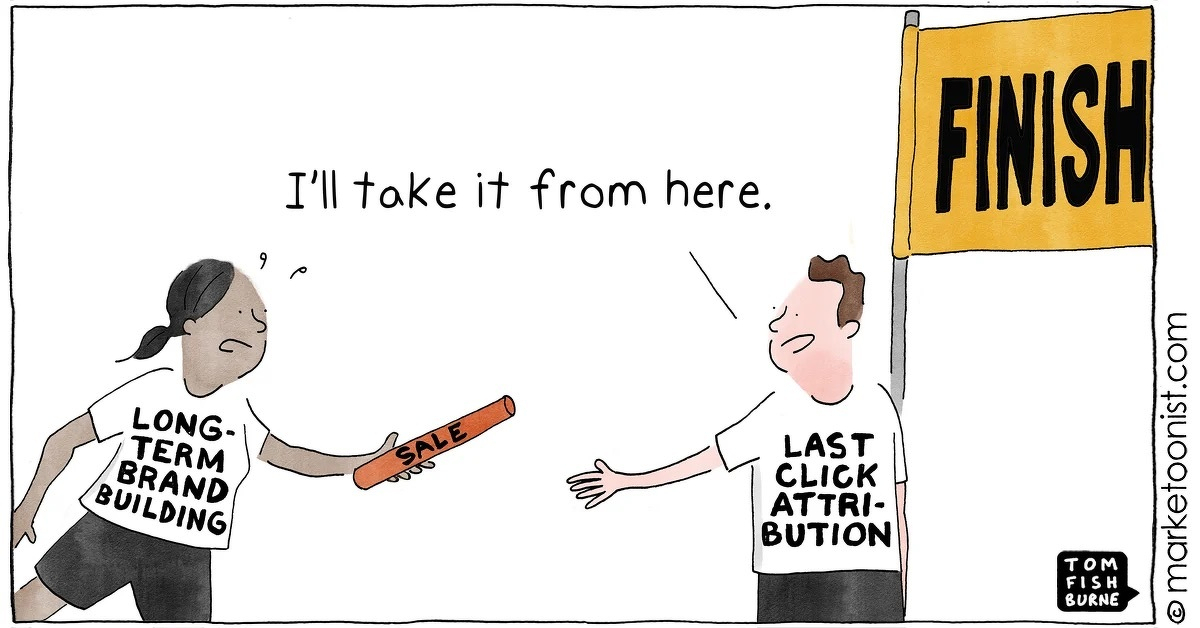
ð ð 2025 Roundup of Marketoons
I particularly liked the one on Channel Attribution ⦠marketoonist.com/2025/12/m…