
? Posts
Where Am I Working?
I am sitting in New Zealand writing this. It started as an idea in my head and was typed into a local file on my computer. I copied it to Wordpress (my blog hosting software of choice) and saved a draft to my People First server.
The words were then sitting on a server in Iowa, USA.
From this point on, as I edit the draft, I am in New Zealand, the words I am editing are in Iowa - where am I working?
By the time you read this post, I will have published and anybody in the world can read it.
Example, a visitor in Kenya pulls up this web site in their browser and these words are 'automagically' read in Kenya.

Question
Where is ‘the work’ done?
- New Zealand, because that is where I tapped the original words into the computer?
- New Zealand, because that is where I cut and paste those words into Wordpress?
- Iowa, because that is where the People First servers are?
- Where you are reading this because until those words delivered value (you reading them), no work was done.
I ask because once you know where the work was done, you should have an idea on where you should be taxed and arguably where you should be licensed to work.
This conversation doesn’t seem to be a major part of public discourse, because the scenario is an edge case. But for how much longer?
New York has a law that says anybody working IN NEW YORK pays New York Taxes and from that emerges things like the NY, NJ and CT tri-state tax agreement.
“Like all states with broad-based income taxes, New York has asserted the right to tax nonresident income earned within its borders. But unlike most other jurisdictions with significant cross-border commuter flows—such as Illinois and Indiana or Virginia and Maryland—New York has never given nonresidents a tax pass in the form of ‘reciprocity’ with their home states.”
But if my servers are in Iowa, my customers are in Europe, my bank account is in California and I only live in New York, should I pay New York taxes?
I write more about where we work in this week's newsletter.
If You Don't Add Value - Why Are You There?
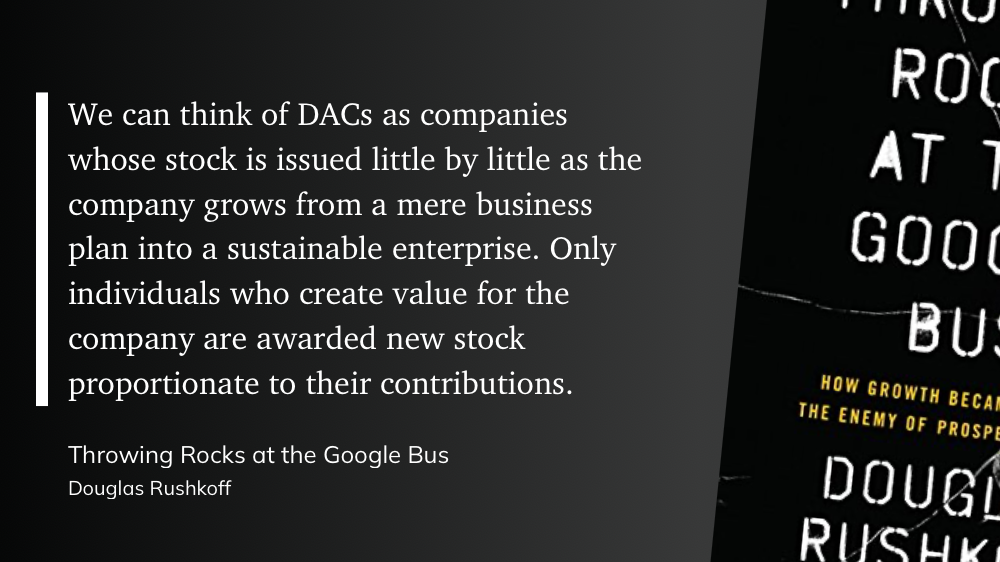
It is telling that someone like Doug Rushkoff can write these words;
Only individuals who create value for the company are awarded new stock proportionate to their contributions.
💬 Douglas Rushkoff
... without questioning the principle.
The corollary is of course that there are people that work inside a company that don't add value, which for yours truly is of course like a 'red rag to a bull' - because as the title of this post suggests, if you are employed by a company and not adding value to that company - then why are you there?
Stakeholder capitalism (apparently) 'solves' the problem.
‘Stakeholder capitalism’ is the buzzword du jour for business practices that strive to achieve more than profits and a high stock price.
💬 McKinsey
If you want to read more - you can:
Putting stakeholder capitalism into practice.
To be fair, the idea of 'Stakeholder Capitalism' has been around for several decades, although who actually coined the term is up for debate, with names including Klaus Schwab (Founder and Executive Chairman of the World Economic Forum), Peter Drucker and Tom Peters.
Still wondering? This is not a bad primer.
So yes - it is not a new idea - it's just that as the world's conversation is moving into fairness and equality, as we see a (kind of) resurgence of Unions and as 'capitalists' are pushed into the corner of 'defending their position' ... the term is emerging and arguably being positioned as the logical next step for a 'sustainable economy'.
I wrote about this over three years ago when I shared a Ted Talk from Nick Hanauer. Today, that video has had over 5 million views. At the point of 'first discovery', I had not heard of Nick - but as I pointed out, the principles of what he was talking about are engrained in People First thinking.
Today, you can hear the same language when people talk about DAOs in the world of 'Web3' and quite a few other places.
But then many steps before 'Stakeholder Capitalism', there was something called 'The Cooperative Movement' which got its start in 1844 in Rochdale a small town in Lancashire, England.
So far, I have not read anything that clearly articulates the distinction between Stakeholder Capitalism and Cooperatives and which and why each might be better or worse than the other. Sometimes I wonder if 'cooperative' is too 'radical' in this world - so we keep inventing new words to describe the same thing.
I have always liked the New Values/Old Values - New Power/Old Power model originally developed by Jeremy Heimans and Henry Timms nearly ten years ago.
So, picking on a random target company like Uber, which despite hanging its hat on 'the sharing economy' is actually 💯 an 'old thinking' capitalist company.
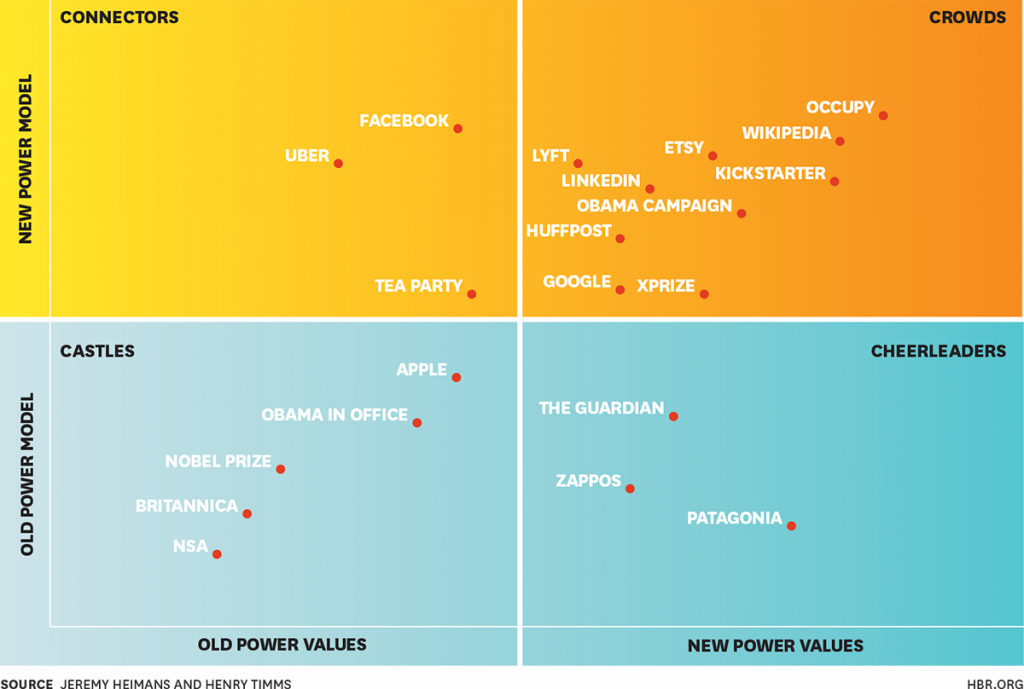
Now consider a company called ATX Coop Taxi - a cooperative taxi service based in Austin that has been around for over 5 years. NO - they aren't as well known - but their service is a 'cooperative'.
The question is why hasn’t it taken off?
That is for another time.
How Are We Going To Manage The Transformation We Need?
I often listen to a podcast or read an article and at the end of it my reaction is 'yes … and' or 'yes … but’.
IF I feel sufficiently moved - a link might get posted to my Thought Stream, together with a pithy observation - and I move on.
The Thought Stream
On the stream I offer a randomized link, that takes you to one of the posts. the oldest of which dates back 2005!
Sometimes though … just sometimes … what I am reading or listening to, triggers more than a few synapses and I am prompted into writing something more substantial. This is one such occasion after I listened to ‘The Thoughtful Leader’ - a podcast hosted by Mindy Gibbins-Klein when she was talking with Steve Sanders.
Full disclosure - whilst I don’t really know either Mindy or Steve - we have talked, exchanged ideas and generally feel we are on the same playing field. All three of us happen to belong to a tight network that runs out of the UK, but in my language, I wouldn’t say I ‘know’ either of them ‘well’ (yet), whatever that means. That said, they both come across as very good people that I will get to know better over time.
So to that podcast.
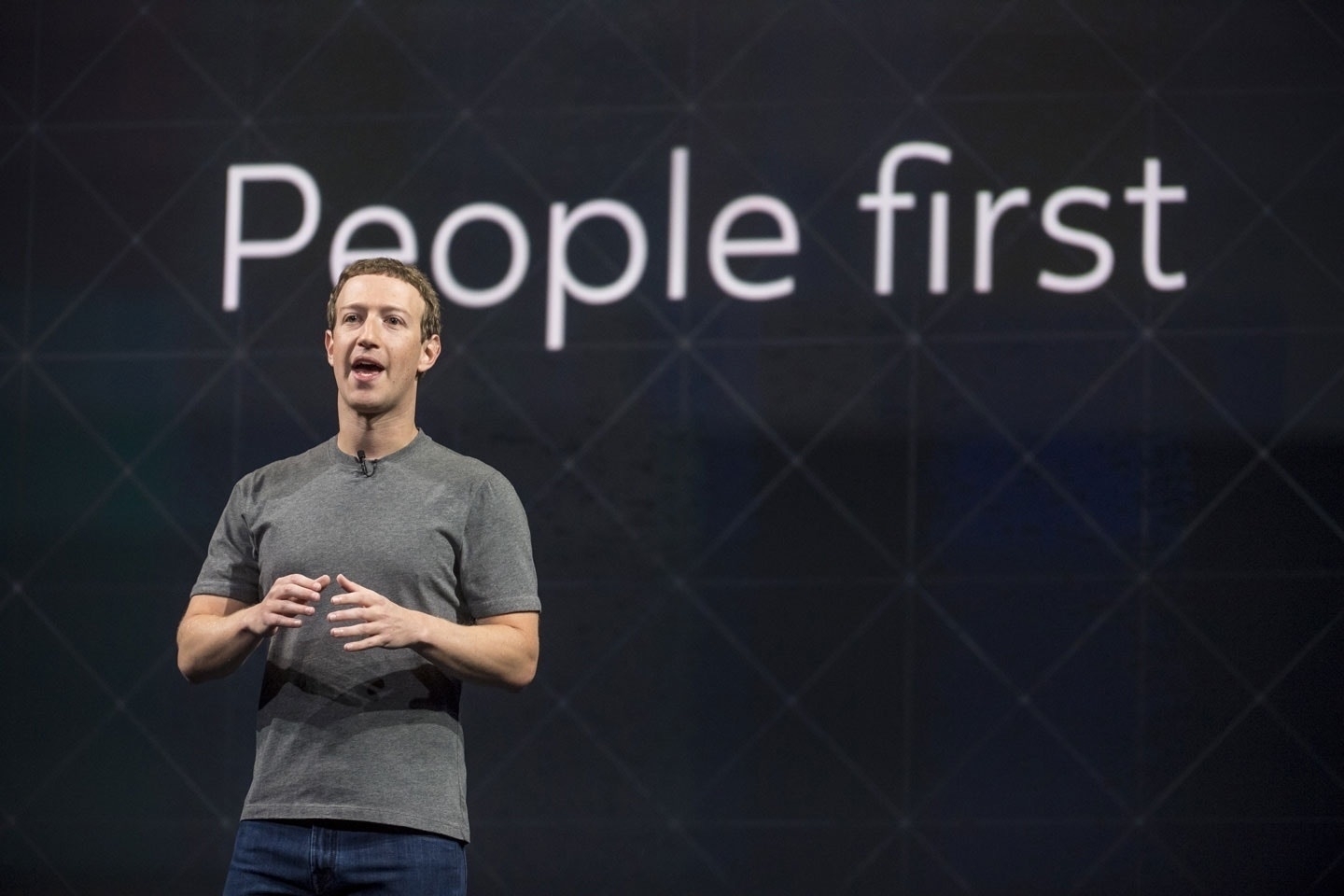
First - Mindy - my thanks for the People First call-out - at least that is how I am taking it 😀 … I know you weren’t connecting it to my work - but I’ll take whatever I can get - just like when Zuckerborg (sic) borrowed the phrase, I know he wasn’t talking about me - and in fact, I don’t believe him - but nothing wrong with pushing the image to remind people!
Steve - good job and on topic - as we explored when we recently talked. I think we might be cut from the same cloth, even though our suits might be different.
I certainly do not disagree with anything you said - but I do have a couple of observations.
One - Generational Differences
I agree on the challenge of focussing on generational differences. I know 15 years olds that are 80 and 80 years old that ‘remain’ teenagers. I get why business has this need for categorization - I reject that people need to adopt it.
The New Yorker seems to agree.
Why do people adopt corporate language and thinking that is at odds with what is good for us?
For example;
I reject the use of that horrible corporate word ‘content’ that people spend so much time working to deliver into the platformed silos of LinkedIn, Facebook, TicToc, Snapchat, Instagram, What’s App and all the rest.
If your work is homogenous, un-differentiated, fodder written to feed the algorithm and garner clicks, hearts and whatever other little badge of honour the corporates regard us with - then perfect.
I would hazard a guess though that most creators don’t think that their posts, articles, essays, photographs, books, images, poems … are anything but that … but that is what we are reducing our IP to.
And of course, because anything that is an homogenized undifferentiated commodity - the price that gets paid is not on value - but how cheap an alternative might be.
.. and do not get me started on Marketing War Rooms!
But let’s keep the plot front and center.
I have been looking and commenting on these supposed generational differences for years and am not quite as optimistic as Steve when it comes to how fast this is going to change. More of that in a minute. But first - let me put my hand up in the air and emphasize that Steve is not alone in his optimism. Who am I to disagree with the findings of Accenture, who in this report seem to support the idea that we are moving towards this new world faster than any of us might think.
Esteban Kolsky is one of the few analysts that picked up on the survey - and in his post reminded us of the vagaries of such surveys!
… “let’s say you are not truly convinced that they WILL actually do what they say they may in a survey (something about an unconscious bias towards being liked makes most of us answer as expected, not as the way we will act, etc.).”
He goes on with this advice …
… “read while wearing rubber gloves and use thongs to “flip pages” if you want to avoid contact – hehe – but definitely read this about how consumers are changing, because outside of the flawed data-collection, the trend is real and well documented.”
… and it is my job as CCO (that’s ‘Chief Contrary Office’) not only to question the findings that were discovered when Accenture surveyed
… “more than 25,000 consumers across 22 countries, with follow-up focus groups in five countries.
(I’ll forgive the language - it’s Accenture, they can’t help it, but I prefer to survey people.)
… but indeed anything that sits oddly that is, in turn, being shared under the banner ‘common wisdom’.
The bottom line is optimism. Don’t get me wrong - even I am optimistic, it’s just the speed of adoption that I am questioning - which brings me to part two.
Two - The Speed of Transformation
First, I hope I am wrong. But, the evidence I am seeing suggests different.
I could highlight so many examples that might suggest how slow this is going to be - but let’s choose three.
Supply Chain Inequality
We have been able to buy ‘$1 throw away ‘designer’ t-shirts’ for decades. Stores like Primark despite pages like this exist because when it comes to action - as opposed to feeling, we turn a blind eye.
Just think for two seconds about the profit behind a $1 t-shirt being sold in a large department store on Oxford Street and other cities around the world. It surely points to inequality and sometimes exploitation somewhere (if not everywhere) in the supply chain.
Exploitation that we all hate and rail against - but we are complicit in our purchase.
What age group does Primark serve
”Whilst in-store customers may differ slightly, Primark’s social audience fall within the 17–24-year age demographic (depending on platform) and are over 90% female.
The very age group that we are pinning our hopes and dreams on to change corporations.
Ease of Transaction over Moral Compass
Uber Eats, Doordash, GrubHub et al make their profits through food delivery.
The mechanics of the transaction has 30% of the food order at your favourite takeaway magically being extracted from the local economy - only to appear as revenue in a company in Oakland, California.
It’s clear. But we continue to do it.
So much for being aware of social issues and forcing corporations to change.
A similar argument can be applied to Uber itself because it is ‘oh so convenient - and cheap … even though even in London there are apps that compete like Gett … so people who ‘say’ they are demanding Corporations to do better - vote with their thumb when it comes to the short term benefit of saving a buck. Principles are gone!
Don’t believe me? Consider this which headlines with;
“Black cabs roar back into favour as app firms put up their prices.”
Meanwhile - over in the USA …
DC AG Sues Grubhub For Sneaky Fees, Screwing Over Local Restaurants | Techdirt
“But Grubhub didn’t fully cover the costs of these discounts. Instead, it passed most of the costs of the discounts along to the already-struggling restaurants. Grubhub also forced the restaurants to pay their full commission on the discounted orders based on non-discounted prices. This promotion severely cut into restaurants’ already-small profit margins, and misled DC residents who believed their orders through Grubhub would help their favourite restaurants.”
Yikes.
Where is the outrage? Where is the socially aware youth?
Cryptocurrency
16% of Americans say they have ever invested in, traded or used cryptocurrency - depending on which site you visit, the numbers vary for the US and in different countries, but there is no doubt that a lot of people have jumped onto the bandwagon - despite the apparent danger of it being a highly volatile gamble in something that I would guess (no science here), some 90% of those people could not even start to describe how cryptocurrency works.
But that isn’t what this bit is about.
Lets start with another podcast that asks Can Our Climate Survive Bitcoin? - it’s an hour long - but well worth a listen - and it contains some eye opening stories.
One of the many stories - American towns competing with each other to offer massively discounted power to ‘crypto miners’ where the workers earn $20 per hour, and the owners - well - it’s the usual story.
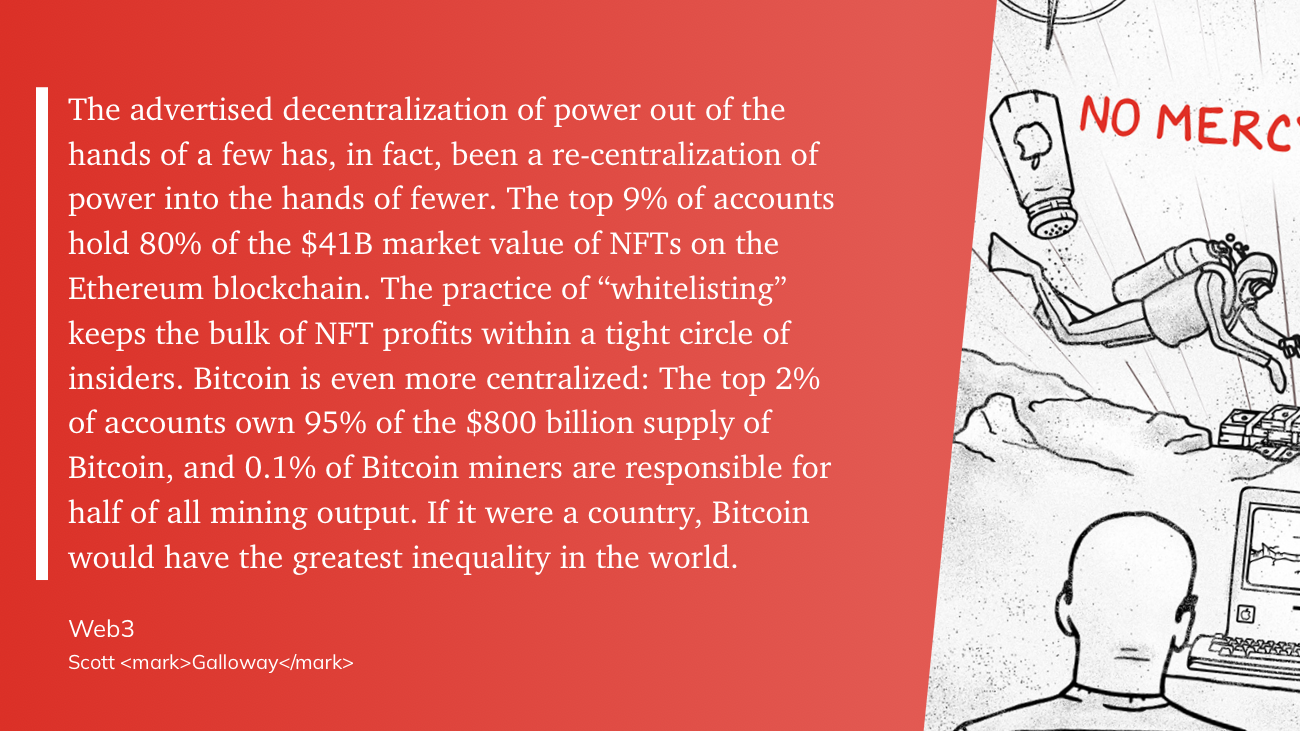
Scott Galloway nailed it in one of his pieces;
and
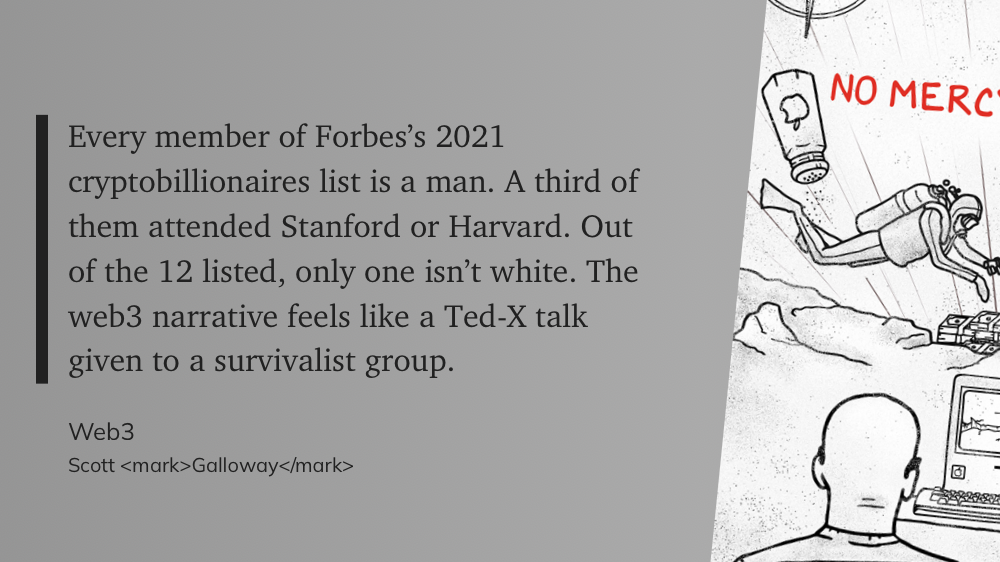
“All animals are equal but some are more equal than others”
So how do you reconcile the crypto movement with the climate change crowd …
… “almost half of all American men ages 18 to 29 say they have invested in, traded or used a form of cryptocurrency.”
Maybe its just that the ‘modern youth’ are massively intelligent …
“The test of a first-rate intelligence is the ability to hold two opposed ideas in mind at the same time and still retain the ability to function.”
But I am not yet convinced.
No research yet - but as the funds spring up supporting this brave new crypto world and our children are apparently eschewing investment in the ‘extractive industries’ - we find this headline;
Exxon Mobil reportedly gets in on Bitcoin mining
Follow the money babe - follow the money.
Three - Altruism
Riddle me this … why are boomers generally seen as the ‘bad guys’. This just 5 days ago : Boomers responsible for nearly one third of greenhouse gas emissions, study suggests. Really, do some google searching - it is clear that boomers are positioned as 'the problem'.
I have no idea how true that is (full disclosure - I am a boomer)
But It Gets Worse
I am a Boomer
I am English
I am Male
I am Straight
I am White
Single handidly - most of the ills of the world might fall at my feet if you listen to the common narrative.
I do however know enough that the same data can produce very different conclusions.
But consider this;
Vint Cerf and Bob Metcalf’s work gave us TCP/IP - the internet wouldn’t work without that protocol
Tim Berners Lee’s work gave us the worldwide web.
So as to avoid confusion (and please note - this is a real image - not a photoshop .. I was there when it was taken.) …
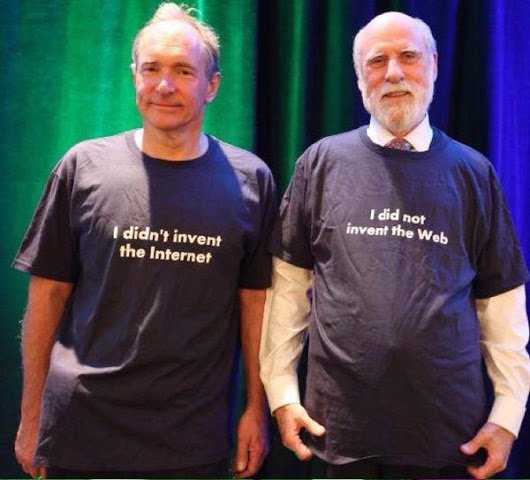
Let’s write that in a different way.
Baby Boomers Vint Cerf (78) and Bob Kahn (83) hold the join honorary title of ‘Godfathers of The Internet’. Tim Berners-Lee (66) came up with the World Wide Web and none of them are millionaires in the ‘millionaire sense’ - and certainly not billionaires.
It’s also telling that I more than likely need to provide context as to who these people are - but that when we move on to other generations, no explanation is necessary. We just somehow know their names.
Jeff Bezos at 58 sits at the cusp of Boomer and GenX, the other names you will be familiar with include;
GenX
Jack Dorsey (45)
Sergey Brin (48)
Larry Page (49)
Elon Musk (50)
Millenial
Mark Zuckerberg (37)
Evan Spiegel (31)
Zhang Yiming (38)
The web was created by Berner-Lee as a place of equality - where everyone had a publishing press and/or microphone - if they chose to use them.
But the money was made by ‘post boomers’.
The cesspit of corruption, bias and fake news - Fakebook was created by a millennial. The other one, Twitter, by a GenXer.
I could write it another way;
Boomers created the internet and the web and did not turn themselves into money-grubbing billionaires - like GenX and Millenials do today.
Now, who’s destroying the world?
Bottom Line
No matter the indignation we feel, or how loud our screams for a fairer society, the fact is that when it comes down to it, the further that happens from your wallet and/or physical presence - the more easily it is forgotten - or even ignored.
The t-shirt situation occurs because they are made on the other side of the world - too far away for me to affect. Besides - if I don’t buy them - others will - what difference does what I do make?
Uber, is an identical situation - except the person you are now stealing (what word would you use) from might be your neighbour!
And it is all because people, on the whole, do not understand. They don’t think - why should they - life is too busy!
As a result, corporations will continue as they do and won’t be challenged as they transition their businesses into spaces to make even more money - at whatever cost.
Yes - there are exceptions. Consider Patagonia, a retailer that takes its values to heart. Revenues of $1Billion - not chump change - but that’s less than Primark’s pre Covid annual profits - interesting to note that Arthur Ryan who founded Primark is of the Silent Generation as is Yvon Chouinard who founded Patagonia.
If we are really going to compare generations through the lens of ‘business oligarchs’ - it looks like the world might have got better with Boomers - and it has been going downhill ever since!
Conclusion
And, this is all written with a bit of tongue in cheek because I do so object to behavioural classification based on age.
But it’s also asking why we think everything is suddenly going to be different - and different quick - just because we hear how ‘woke’ and ‘aware’ the youth are - when it comes to global challenges. ‘the youth’ are coming to save us.
You might not remember the sixties (if you do - you probably ‘weren’t there’), but that generation had hopes, ideals and aspirations. They were also going to change the world for the better. Did they? Was it for the better?
To borrow a ‘sign off’ from my friend Geoff Moore - that’s what I think … what do you think?
What Is The Future Of Work?
Let me point out - again - that the answer to the question is useless - because the question is badly framed. I have written about this before here, here and here and a whole host of other places aswell.
The Conclusion
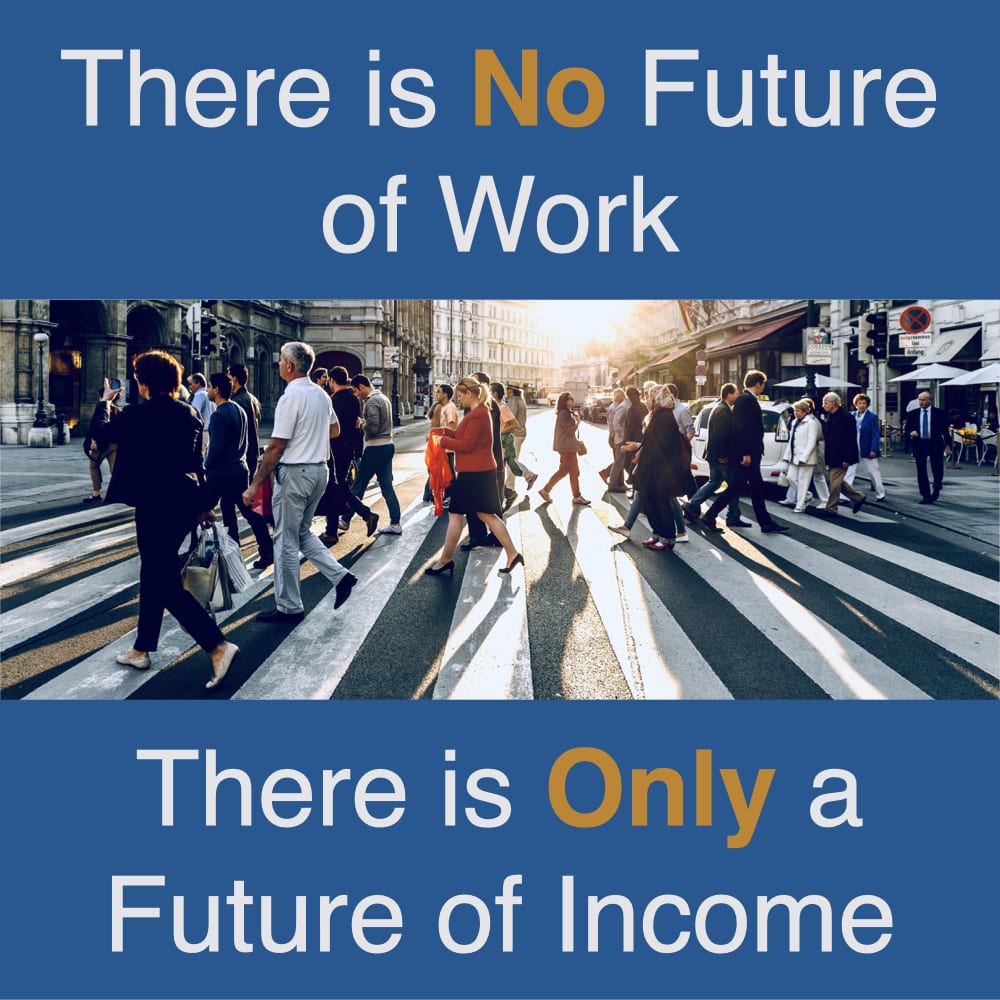
Fast forward to a LinkedIn graphic that was presented to me last week.
It appeared in Brett King's LinkedIn stream. Brett and I are connected on LinkedIn, and have a couple of very good mutual friends in common. Brett, like another 'futurist' Gerd Leonhard is doing a great job in 'getting the word out', but I worry that the word being got out is not just oversimplified but actually harmful because people are being lulled into a false sense of security.
This Is One Such Example
First, I assume that 'Aritificial' is a typo and not some new technological development ...
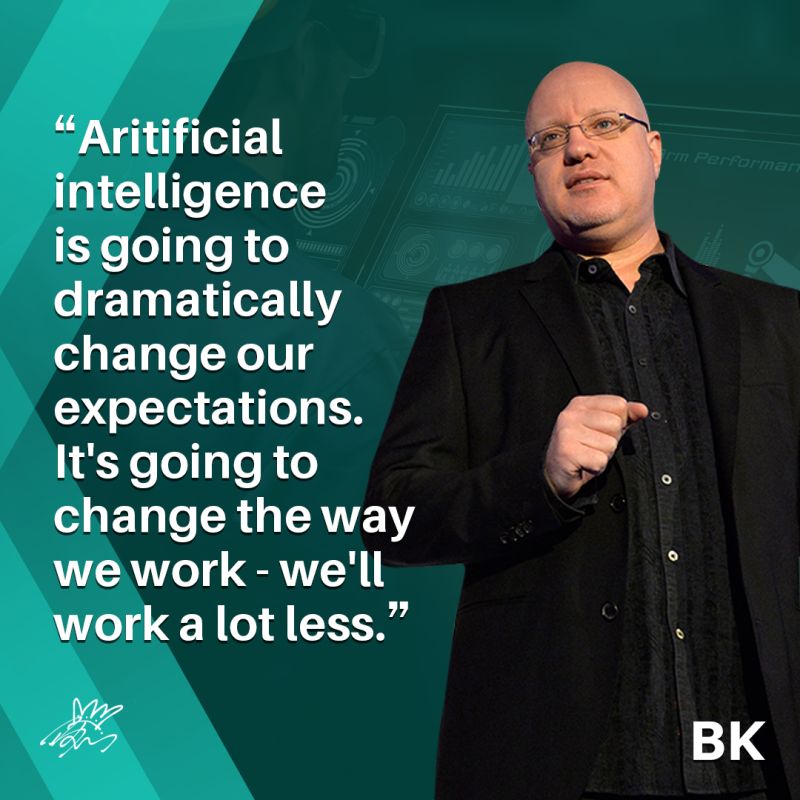
... but the lack of proofreading of a single sentence might be a clue to how substantial the thinking is that underpins the idea.
Important: Please do not take this post as my taking an anti position on Brett. I don’t know him, but do follow and pay attention. He is not wrong on a number of issues. Like these two ..
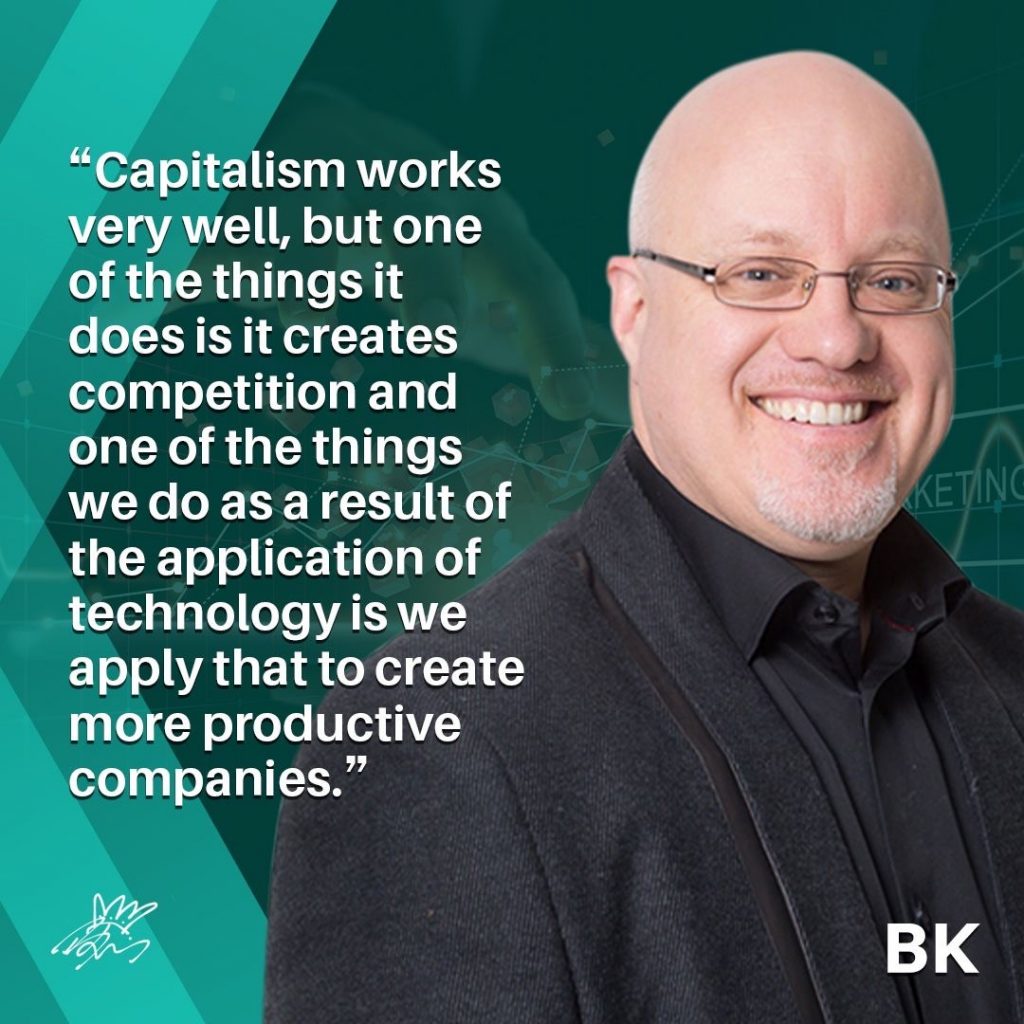
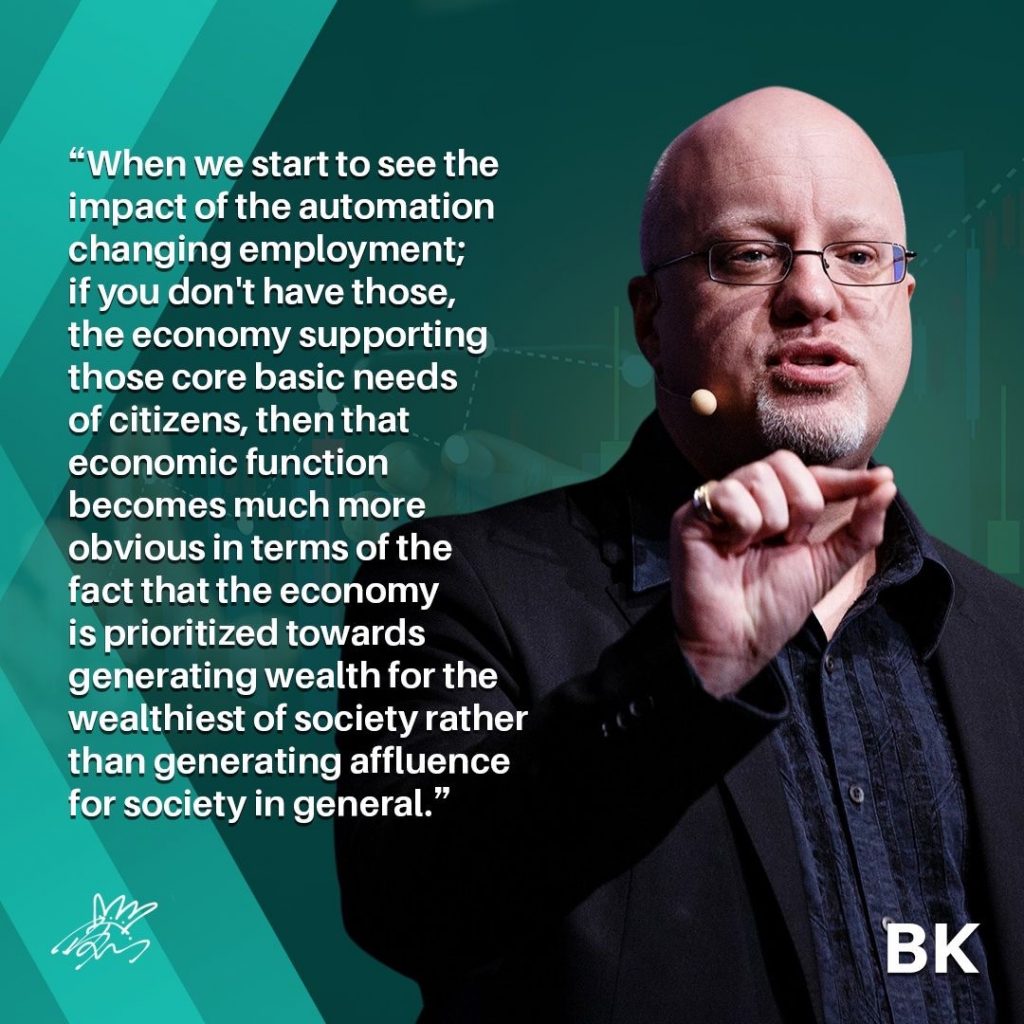
The Original Post on LinkedIn (sorry - I wanted to embed it here - but LinkedIn is the only site that seems to fail with a WordPress embeds) ... go figure.
The crux of my issue is the flip approach to what is happening in the world of business today.
I limited my response to a few lines ... hoping that a reader would be able to 'read between them', Brett read the lines, but not between them.
Brett duly responded ...
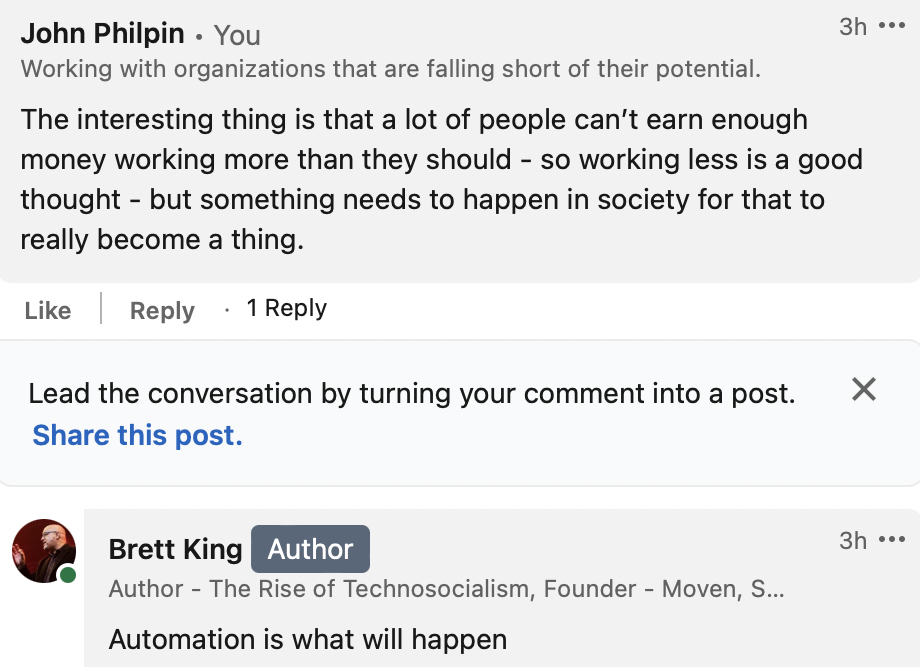
Readers of this blog will know that this is something I understand.
BUT
The point I was trying to make is not about the future of work - we know is being redefined through outsourcing, offshoring, automation, AI, the gig economy, zero hour contracts ... and it is clear those jobs aren't going to come back.
My point is (and always has been) more 'People Firsty' ... that is as all of this comes to be - how will people make income to live their lives in the future?
Example 1
In the comments in Brett's thread people referenced the four day week - and everyone is talking about how it is already happening. The assumption seems to be that a staff member will no longer work 5 days and instead work 4 days.
This is quite brilliant and lovely and utopian and - all those things we want to have in and around our lives and existence. Who doesn’t want to work less ...
If their salary is not affected.
But let's just take a couple of seconds to do a pretty shallow dive ... if people are working 4 days, not 5, then they are working 20% less. To let them work less and not pay them less is the equivalent of companies giving each of those people a 20% salary increase.
Are companies going to do that?
The answer is in plain sight because we have a stalking horse in the race. Thanks to COVID we have proof points all over the world that people don’t want to 'go back to the office' and in turn, some companies have responded with
That's ok - work wherever you want!
Spectacular - until you read the small print ...
This isn't the only article out there, do a search and you will find hundreds, if not thousands of articles debating the merits of paying your staff based on what locals earn.
Case in point - move 200 miles up the I80 from San Francisco to Reno, salaries are nothing like that of the Bay Area. On top of that since Reno is in Nevada - there is no state tax. In California - well like most places, it varies, but here is one slice ...
| $115,648 – $590,746 | 9.30% |
- so moving your life 200 miles reduces your cost of living substantially just based on tax savings. But there's more ...
Beyond the tax break, the Reno cost of living index is just 116.2, compared to San Francisco's at a whopping 244 - and that does not include the tax break just described.
So if you can do your job remotely, why wouldn’t you want to move to a cheaper place - and collect the same income. (Putting the comparison of living in Reno versus San Francisco aside.)
It does seem to be a perfect idea - except your employer is not generally going to allow that - because they do - and will - pay you based on where you live - not where you work!
I get the argument, I really do - but that's my point. If companies aren't going to pay people for value delivered, but based on where they live, then why are they suddenly going to pay you a higher daily rate because you want to work less?
To me, the 4 day week is an experiment to cut salaries - legally. It won't happen suddenly - just over time. They might well leave your salary in place, but everyone's? ... and when you leave will they continue to pay your premium rate to the next person?
Example 2
As more and more people leave their cubes to follow their dreams and passions - which is what everyone is telling you to do - right? Follow your dreams - it will all work out.
What dream and passion are you going to follow?
Look around today and you will find little societal support for artists, musicians, writers, poets et al. Imagine if the number of such people suddenly doubled, grew fivefold or even tenfold as we all follow our dreams ... are all those people suddenly going to be earning a lot more? (it's a rhetorical question.)
We are also told that there is so much opportunity in the professions of care-giving, social services, teachers, hospital workers, elderly care. They are right. Lots of opportunities. They are all on the ‘hot professions’ list, but before you get too excited, go talk to the people who work in those areas now. Ask them why Teachers are resigning en masse? Why do nurses get trained and don’t go into health services?
There are countless examples of how society (that's you and me), value these professions. We don't.
Back to musicians - we pay Spotify 10 bucks a month to stream an 'all you can eat' flow of music to your ears. The artists are generally not well rewarded. But it's not as if Spotify aren't making good money. How else do they afford to $100 million to sign up a single podcast - or buy company after company as they seek to lock up the world of podcasting. (BTW - they are doing it because the more you listen to that - the less they have to pay out.)
To conclude, as wonderful as it is for all of us to follow our dreams and passions - so we can all live fulfilled lives - we also need to earn an income. And we are barely doing that today, so how is that going to get better?
I said something better change
The Stranglers
I said something better change
I said something better change
I said something better change
Or maybe we will all move into social services, hospitals, caring for the elderly - since they are all on the ‘hot professions’ list. That said, the last two years have clearly demonstrated that while ‘society’ might value the people in those roles, it is clear that the paymasters do not.
In short, as we replace jobs with automation - and people don’t have a way to replace that income, something is not adding up.
Bottom line - as organizations remove people from their vendor supply chain and automate sales to improve business efficiency, more and more people will be left out of the workforce - and no matter how many Norman Tebbits (Sorry old English reference), how about Kim Kardashian's words of 'motivation'.
I have a way of looking at the issue. I call it ...
The Business Equation
At the simplest level, the business equation recognizes that every commercial entity has an input - where it creates something using people, money and/or assets to create a product or service that is sold - the output. The 'black box' in the middle is the business. Your business. Any business.
To maximize shareholder value, the business seeks to reduce the cost of what it produces or increase the price of what it sells. Yes there all kinds of techniques that are used - but reduce it all down and you are left with
It is a simplification, but the logic holds.
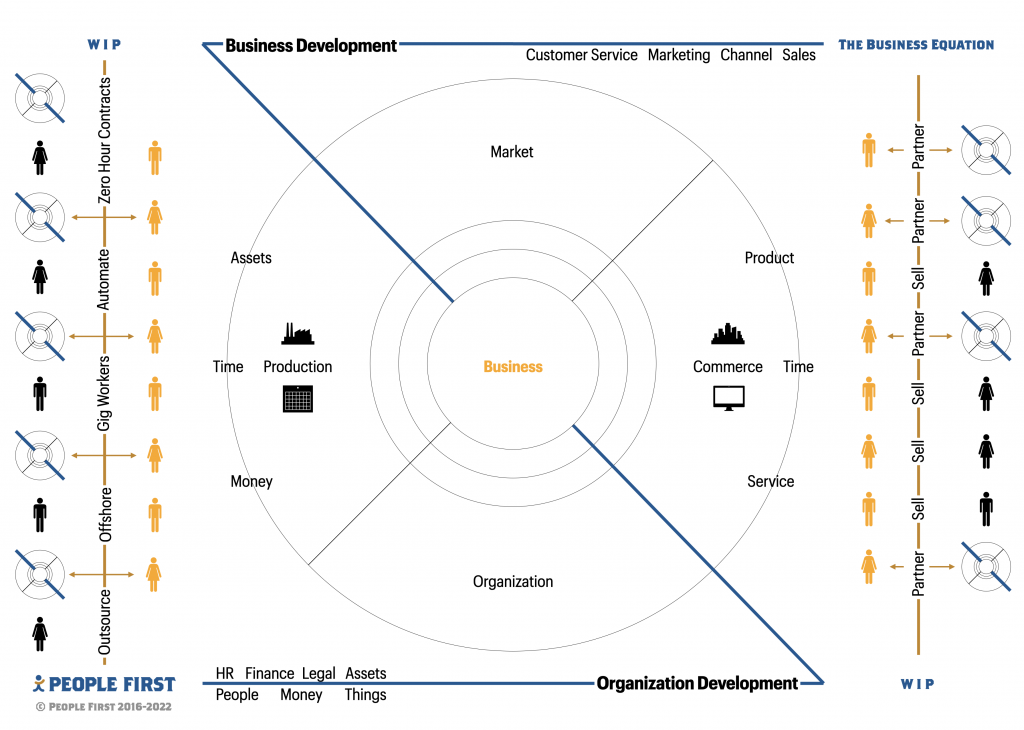
It is also true that on the left-hand side of the equation the fixed costs of 'people' is really high - which is why over the years, companies have sought to cut those costs by 'getting people off the books'. That's where outsourcing and offshoring got their start. Automation through Robotics is now turning into AI and then at contractual levels, the gig economy / zero-hour contracts all play into the needs of corporations who keep on pushing the boundaries of 'just in time' 'people'.
And you thought the days of people being cogs in the corporate engine was a thing of the past!
Now imagine every company big and small working to remove people from the equation in this way. Where does it leave people? Every mini Business Equation on the left of that diagram is doing its bit to outsource, offshore, automate .... and where do people fit in that equation?
To quote my friend Geoffrey Moore ...
That's What I Think - What Do You Think?
Message From A 🎵 Musician
As a reader of this blog and newsletter or as a listener of my podcast - you know that I am a keen supporter of the broad category of ‘creative professional’ - and specifically ‘musician’. What follows are not my words, but those of a musician that wrote to me recently. Reproduced with their permission and names and venues changed/anonymized to ‘protect the vulnerable’.
I just got my first real paying gig since March 17 for Saturday December 26th. Meanwhile, due to an uptick in local COVID cases the county has announced that restaurants are to remain open, but no one allowed at the bar for the next 2 weeks.
By my calculation from today (Dec. 10), that takes us to December 25th. So, December 26th we will be back to normal?
After 9 months of ‘COVID communications with the owners of a local ‘hostelry’ - and having played there every Friday for over fourteen years, I have now experienced a full u-turn, so instead of returning to my Friday Afternoon slot - which they said “would be there for me whenever I was ready to return”, they have instead told me I will be “on call”, if they need a last minute substitute as ‘their schedule is booked full’.
I told them actually no …. no I won’t.
Beyond that, they are no longer paying what they used to - and that was never a lot to begin with!
The business (music AND the hostelry) has never been stacked with integrity, but this has to be a new low. Maybe to match the pay rates of the stand-ins?
Meanwhile on the other side of town, my Tuesday night gig (again over 14 years) has been taken over by a guy playing bass with a karaoke backing machine … in return for ‘a burger and a beer’ !!
The musician said “he did not want to steal my night” … funny - because he did. He could have said no. I guess the burger temptation was too great.
He was offered the gig by the owner because his belief was that I wouldn’t work for free. (Correct!).
I grew up in a Union town. I remember what those kinds of people were called.
I get it. I really do. I know the venues are struggling with finance like us all - musicians included - but if they can’t afford musicians - why bring them on at all?
If your business model is to offer live music - shouldn’t you pay for it?
And sure - I can hear the gallery calling down - you’ll make it up in tips.
With luck - but in reality - no.
So take a share of the profits of extra beer sold …. yeah - good luck with that! When THEY are doing well, YOU are on a fixed (low) fee - “make it up in tips”. But now they are down … well, you know how it goes.
As you know I’ve made my living as a full time musician and creative all of my life, so sad to reflect on COVID lessons;
loyalty - out of the window promises - not worth the paper they are written on dogs - they will eat dogs Don’t get me wrong, the competition is just getting ramped up. The number of musicians - in this area seems to be growing by the day - and I am pretty sure that the number of hostelries are reducing. (One of the biggest just 10 miles away has announced that it is closing for GOOD. )
Not sure how this is going to play out - but I stand with my belief that a business should only offer what it can afford - and the race to the bottom of price is not a race I am going to join in.
When I order Lobster, I don’t expect to eat it and then renegotiate the price - but that seems to be the life of the live performer.
Still - one door closes, another opens - I wonder what happens when two doors close!
Thinking Allowed
This is a People First post that was originally on the People First domain. It has been moved here as part of my domain consolidation program. It’s a steady and slow WIP as I check each entry, so do please bear with me.- More about People First
- Other People First Posts
(not just from the ‘other domain’ … all of them.)
🔗 Just revisiting the Google Rant
.. all this time later, does it still hold?

Play, Passion, Purpose
Needless to say those three words grabbed my attention immediately. And then when he said ...
The culture of schooling is radically at odds with the culture of learning that produces innovators.
Tony Wagner
I was hooked.
Very good Ted Talk - just one gripe ...
He just about opens the talk with
I came to understand, that there's a set of core competencies every young person must be well on their way to mastery before he or she finished high school.
- critical thinking and problem solving
- collaboration across networks and leading by influence
- agility and adaptability
- initiative and entropenorialism
- effective oral and written communication
- accessing and analyzing information
- curiosity and imagination
Tony Wagner
i.e. if you have left school, sorry - we taught you all wrong as to how to succeed in the life in front of you.
What he should have said was
I came to understand, that there's a set of core competencies every person must master.
I know he doesn't mean it and I guess it is about education - but the implication is that you have left school then 'we taught you all wrong'.
Keeping that in mind ... well worth a watch.
Corporate Speak
I have a problem with ‘Corporate Speak’. Putting aside how ‘we the people’ seem to adopt corporate speak as part of our conversation - how else does ‘content’ become part of our day to day vocabulary? (Although that is an entirely different topic.)
Here’s the thing … the same organisations that use phrases like;
‘Share of Wallet’
‘Attacking and Targeting a Market’ (that’s you and me folks) and breaking down those
‘Adoption Barriers’
‘Taking the hill’
‘Users’ not ‘People’
And have something called a ‘War Room’ !!! - you know the place where Marketing meet to plan how to extract out last cent. Anyway these organisations are exactly the same organisations that say things like
‘Your Passion Is Our Satisfaction’,
‘Pleasing People Is Our Motto’ and
‘A Customer Is Always Right’.
Which language do you believe reflects the true nature of the corporation?
Me? I think what is said behind closed doors more often reflects the truth. What is broadcast in public is what they think we want to hear. It’s politics, not business, but isn’t that what happened to Mitt Romney?
This week’s newsletter explores corporate language and asks why have people just blindly adopted it without question? It doesn’t serve us - only the corporation.

🖇️ Published this two years ago today … trying to put context around world events and what they mean to young people and why it might be different to old …