
🏢 Organisations
🏢 He’s treading in ‘Chasm’ territory - so of course it all makes sense. Another future post?
The second circle is out of your direct control, and it’s tempting to ignore it. But the second circle unlocks the change you seek to make.
🏢 I will fold this into a large piece soon - but the threads within reminded me of my thinking around ‘the gaps between the boxes’ - which I touched on in 🖇️ this newsletter but starting to think that it needs its own post.
You (Should) Say Goodbye - I (Definitely) Say Hello
A short (ish) reminder of the ongoing and necessary shift from old marketing principles that evolved when the vendor was in charge to new principles - which focus on engagement and experience - because the customer is now in charge.
🔗 Engagement Platforms as Coherence Infrastructure

A slight restructure of this post - and so a reissue.

Thanks to AI, the cost of code has definitely reduced recently. By a lot.
But people don’t buy code. They buy solutions. Code is never the solution.
Back On To Content Again.
Chris Lockhead posted 🔗 this on LinkedIN
It’s LinkedIn oatmeal.
Chris is right, so I replied:
Content is homogenous, undifferentiated and fully interchangeable with any other content - like any other ‘grain’ that sits in a silo.
- Can you really tell one grain of wheat from another?
- Is your post/comment really interchangeable with every one else’s?
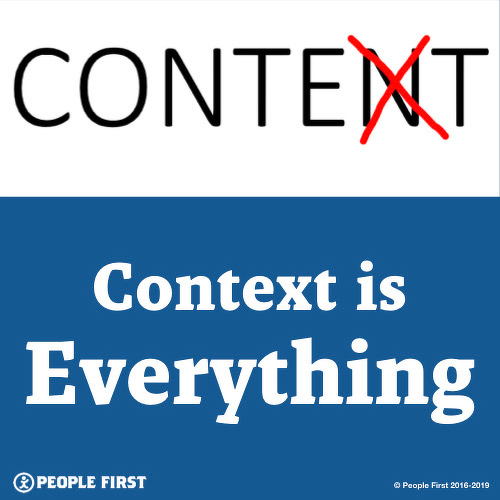
If so - content it is. If not - guess what - it is not content. So don’t call it content.
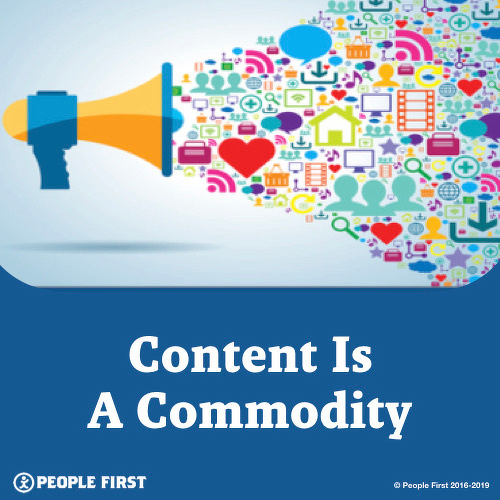
Content is a horrible, generic, cheap, ‘anything will do’ kind of word and so - like a grain of wheat - any individual piece of ‘content’ has no value. The value is in the total silo.
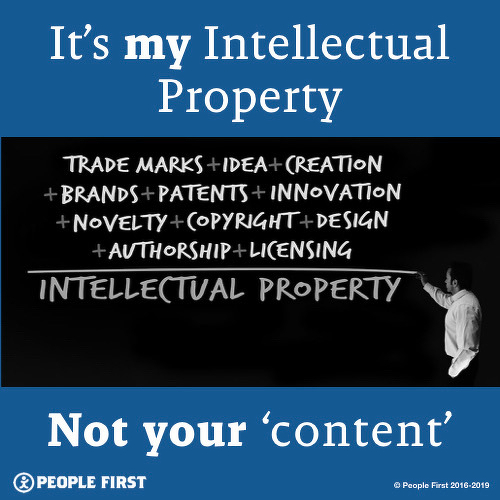
It is also important to know that it is in the best interests of the ‘buyers’ (I use the term loosely) of our sweat, labour, thought and time to create our IP - to keep their costs down. So, content is what THEY will continue to call it. Don’t fall into that trap.
Our costs are not kept down. Our net earnings do suffer. They are suffering badly.
Oh - and a quick reminder - been saying this for years. As have others - like 🖇️ Will Arnett talking to Dana Gould

C3 Ain't What It Used To Be - More Rebrands than ~~Facebook~~ Meta.
C3.AI, founded by tech industry veteran Thomas Siebel, is in talks to merge with privately held startup Automation Anywhere being reported by The Information.
Which got me to thinking - C3 is a dot ‘ai’? When did that happen?
Its All About Execution - The Business One - Not The Political One.
Despite numerous ideas and strategies for improving productivity in New Zealand, the decline continues and a significant gap remains in effective execution. Is it cultural?
💬 content = slop. END OF.
But if you present me an essay, book, article, video, pithy comment, observation, slice of humour .. that broadens my mind, my thinking or entertains me .. I’m all over it.
Cannot wait for the filters to arrive. To allow me to train my AI to throw content into the trash.
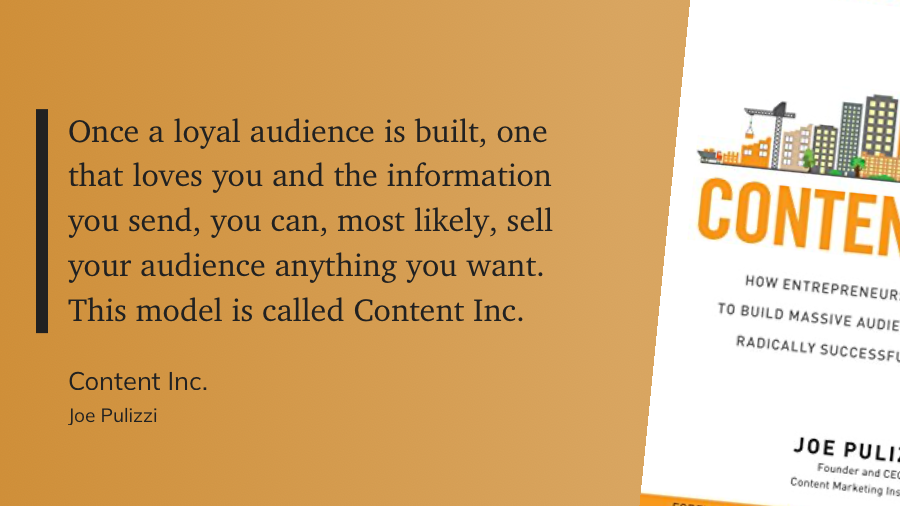
Stop Calling It Content

Content is a non differentiated, horrible, generic, cheap, replaceable kind of word.
Content is stored in silos - with grains and other commodities.
Content has minimal value.
Get The Full List of The Articles 🖇️🔎 Hand Crafted With Love
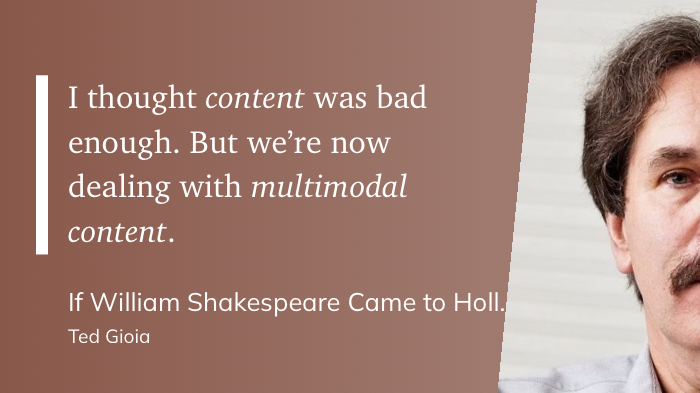
🔗🔎 You know how I hate that word ‘content’ .. it’s getting worse.
Systems of Truth? Reality or Pipedream?
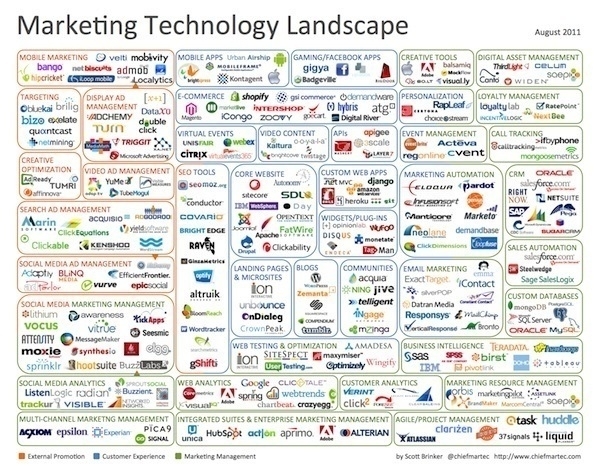
When I read Scott Brinker (ChiefMartec) I generally feel that our thinking is aligned, but his images often seem to be designed to create fear and creating a speech bubble above my head that reads something like “my god - how the hell can I keep up”. They don’t, IMHO give clarity. Well, maybe back in 2011 .. maybe - but I recall back then it still seem overwhelming ..
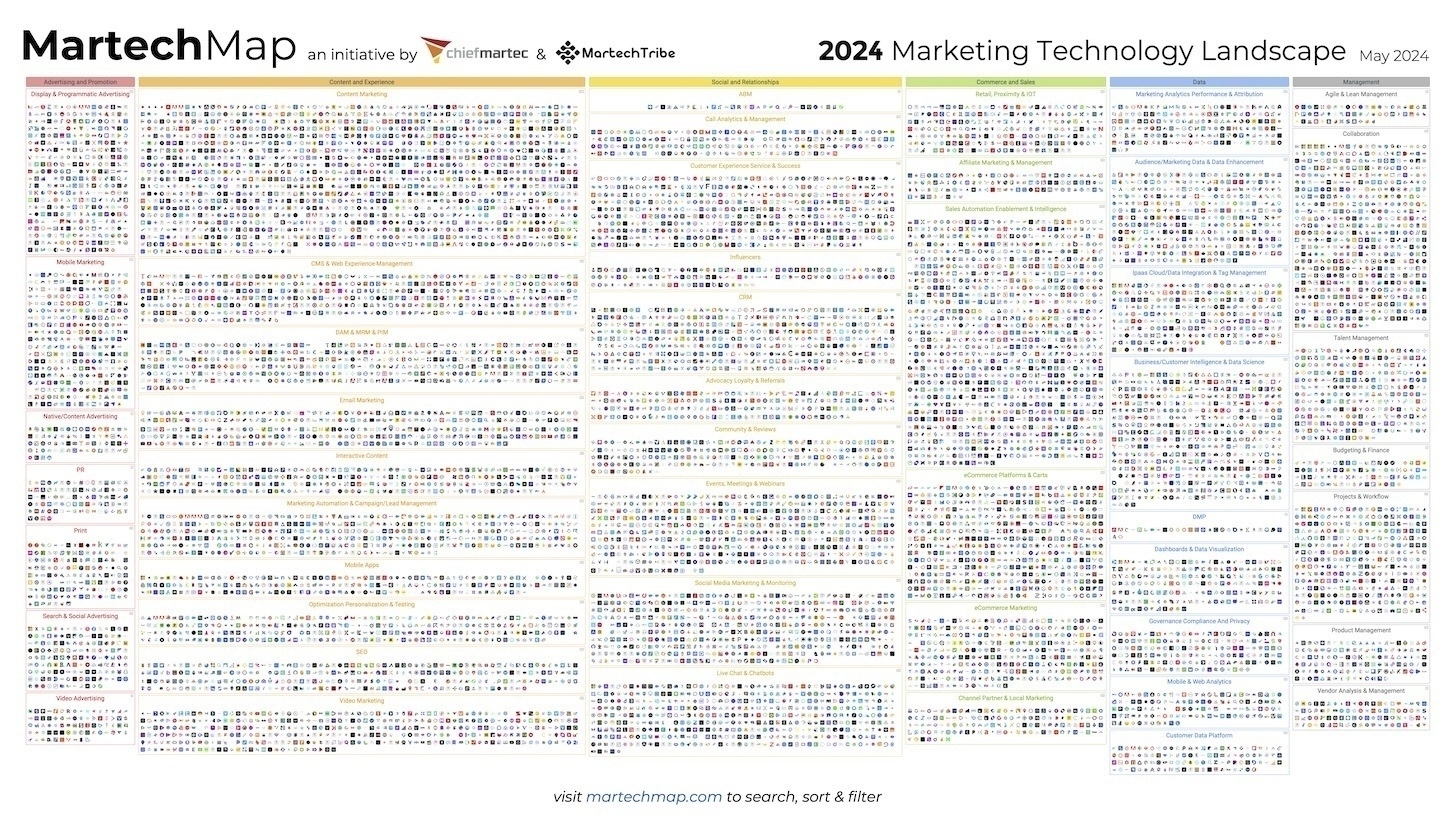
By the time I got to 2024 - I was seriously asking myself what is the point? (Although it didn’t stop me reading his posts.)
So I initially found his post from today a breath of fresh air, imagine … ‘Meet the new martech stack: systems of context and systems of truth’
And in it I found a reasonable framework;
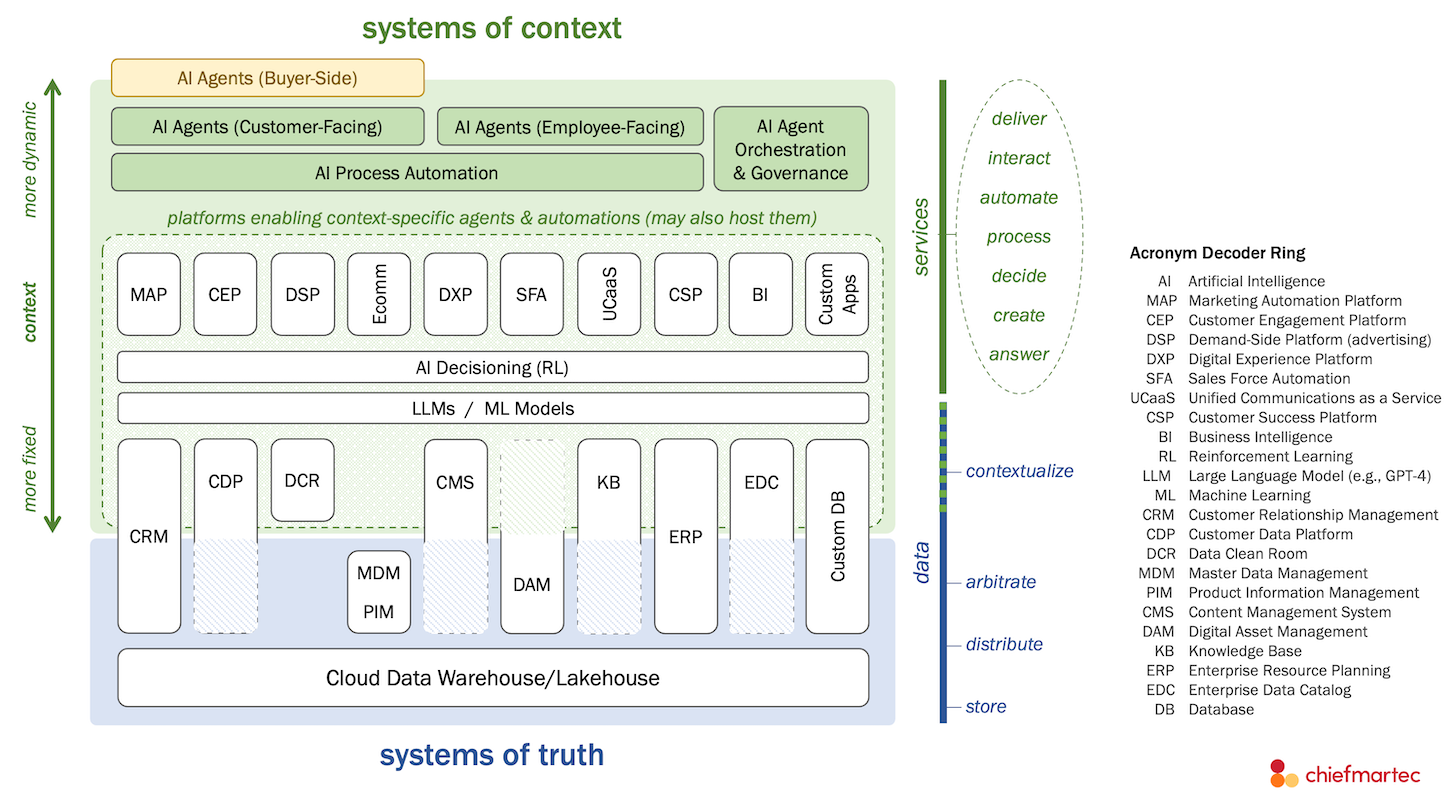
Which I liked - because it aligns with my ‘Business Equation’ thinking.
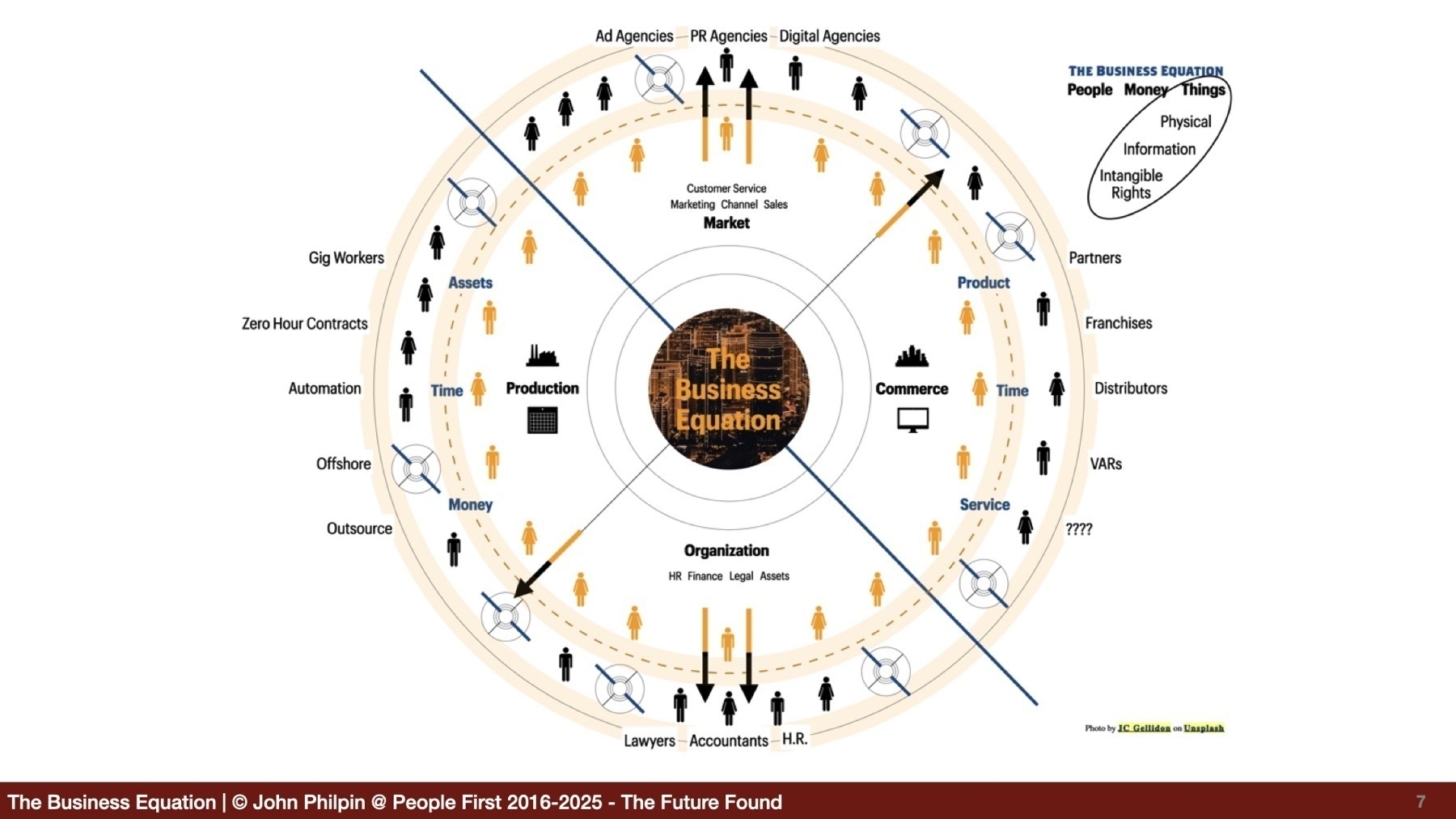
.. but then I read the piece and even Scott calls out my initial thought…
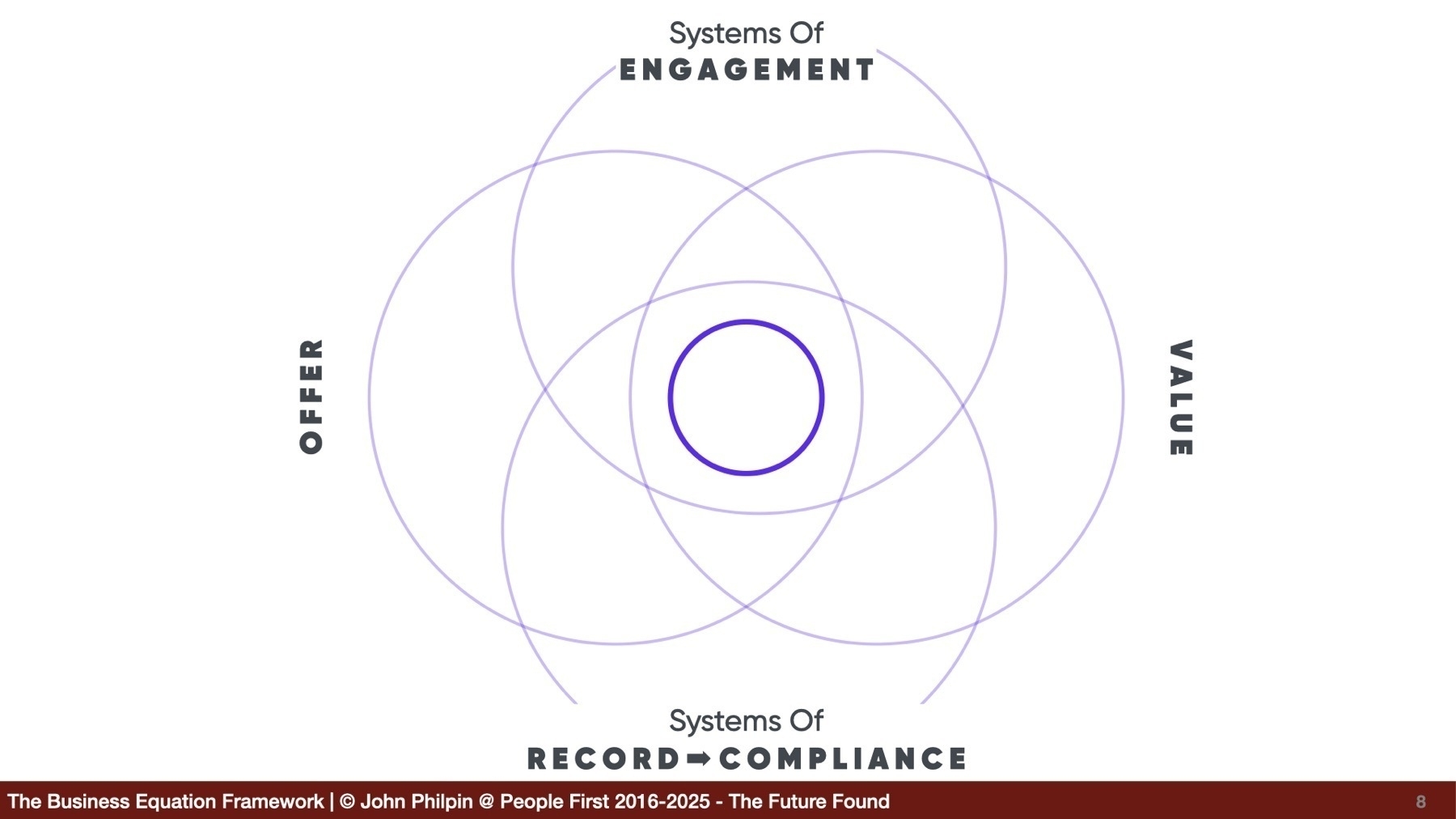
Now, squinting at my diagram you might ask, “Isn’t this just systems of engagement and systems of record with different labels?
💬 Scott Brinker
But that isn’t where I am going, because ‘words’ are important.
Systems of Truth
Truth? Who’s Truth?
I am a customer of Citibank. Their system of record will tell you that my home address is up in Marin, North California. I live in SoCal - and never bothered changing it - the bank is minor to my requirements - and everything I do is online - why waste my time.
My mobile provider is different again.
The data farms/lakes/mountains (using such nice natural sounding words to describe tools of the surveillance economy aside) hosted by the large corporates can never show absolute truth about me - they will only ever have a filter/slice/view of who I am .. which is partly what I choose to share - which will vary from person to person and their context at the time.
These are not systems of truth, they are the systems of record of the corporation that houses that particular set of data. To be fair - Scott does make that distinction in his piece (my bold).
they remain the arbiters of truth for data within their domain
💬 Scott Brinker
and then goes on …
We never achieved a true single system of truth (SSOT). Turns out there are just too many domain-specific data truths. But with a universal data layer on bottom and domain-specific data governance platforms on top, we now have many systems – plural – of truth.
💬 Scott Brinker
So why change it? Again - referencing my example at the opening of this section - Citi do not have the truth about my residence. No matter how hard they try - they have a System of Record - so why muddy the waters and call it Truth (other than climbing an board with attempting to use a ‘word of the moment’.)
Systems of Context
I would argue that systems of engagement by definition includes that of context. In face to me - that is the whole point.
Scott clarifies;
Instead of a monologue, where a brand serves a contextual experience based on its own definition of the buyer’s journey and what it thinks the buyer wants, concierge AI agents will engage buyers in a true dialogue to understand and serve their actual context.
💬 Scott Brinker
and then
A little farther out on the horizon – but maybe not that far – buyers will use their own AI agents to interact with our systems of context. These aren’t customer-facing AI agents that sellers control. These are customer-owned AI agents that they control. They will inherently shape the experience to the context of the buyer.
💬 Scott Brinker
Aaah yes - that promised nirvana - putting the customer in control (or at least their agents - but who owns the agents?) … remember we live in a world where if we buy a digital book - you don’t actually own it - why are agents going to be different.
If it is - I will be first in line for that service - but breath not held. And this is why.
Closed Systems
It will have been around 20 years ago that Joyce Searls asked if a corporation has a ‘CRM’ that allows them to ‘manage their relationship with their customer’ - why don’t we (people) have a ‘VRM’ to ‘manage our relationship with our vendors? Put simply, if I change my cell number, I need to let the change be known to each of the vendors I use … electic, gas, utilities, bank, uber, amazon …. you get the picture. A VRM would allow you to make one update - and your vendors systems of record would be updated accordingly.
Twenty years later, we still don’t have that.
But John - I hear you cry - AI is going to change all that - to which I say excellent - when?
… and back to those personal AI agents. How? Yes there will be a small cadre of people who will download agentic models and live in that rarefied world of ‘sovereignty’ - but given that most people don’t know - or think to act on even managing their phone notifications - I don’t see them downloading their personal agentic models just yet. And even if we do - the corporations have to allow us to do that - first and then allow that model to interact with their systems. They aren’t really very good at that when you think about it.
For all of this - I am pretty sure that Scott doesn’t come from my POV - but rather that of the corporation, which I think explains our different take. It’s clear just by looking at this image form his article …
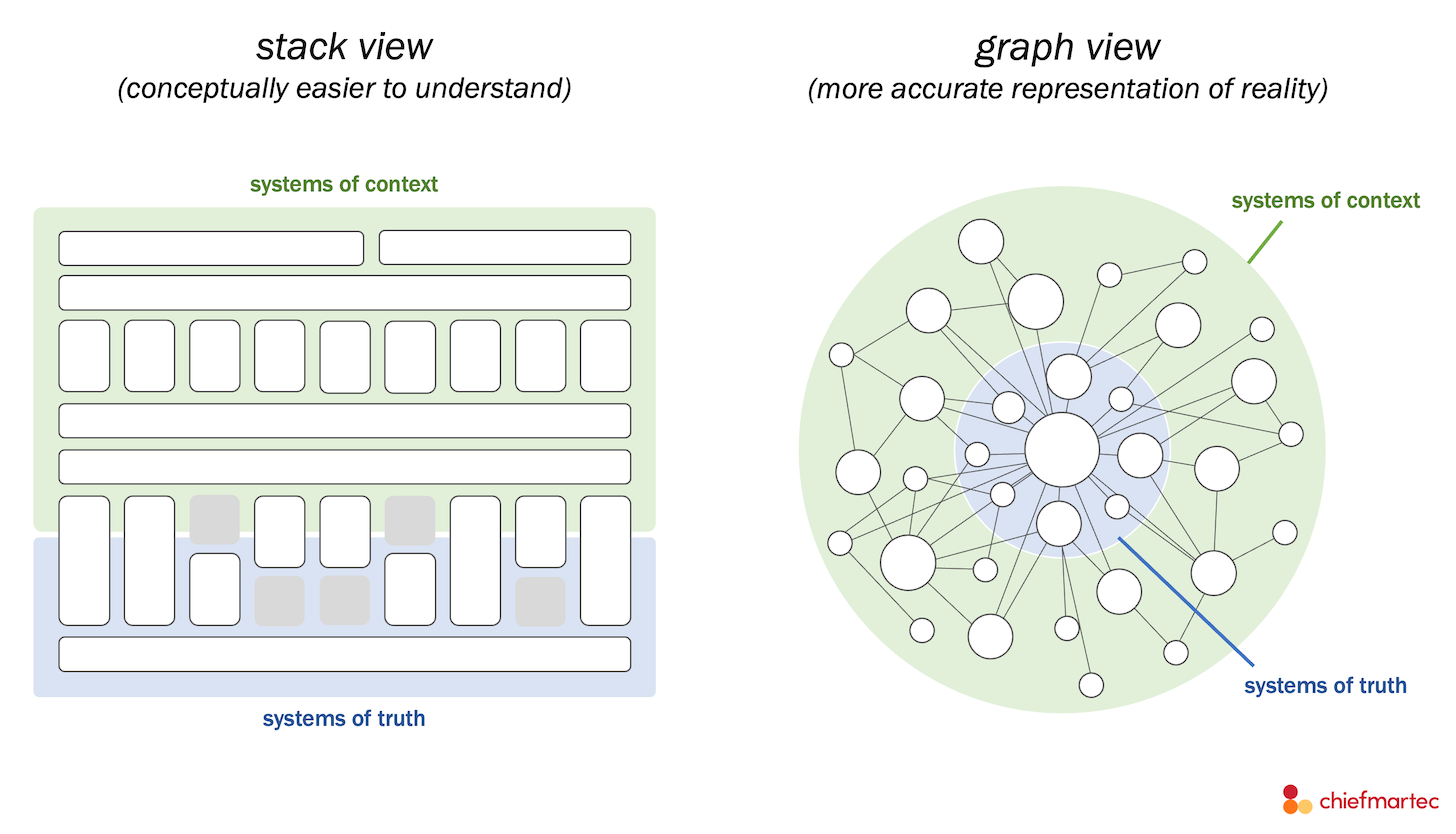
He puts those systems of truth right slap bang the middle.
I would have the exact same image - with me - the individual in the center - with my system of TRUTH - and context filter around that to expose the slices of truth I want a corporation to see and use in their own systems of engagement.
And that can be built by starting here.
Stopping here for now - but this is a bit topic -and I think needs more to be said.
A Reminder About ‘Content’
… because it’s getting worse.
A strategic thinker wouldn’t call it content.
Sorry - no idea who wrote that - not me - but definitely on pace with my thinking - which you will know that 🖇️🔍 I have written about this many times over the years.
To save the click through - in a nutshell …
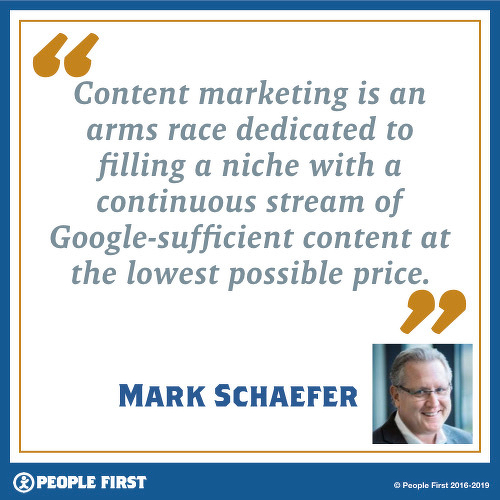
As long as ‘we the creators’ fall into the trap of using low cost, homogenous, non-descript words like ‘content’ to describe our work, our soul, our passion, our beliefs then our work will continue to be viewed as ‘free - to - cheap - to - low - cost’, as ‘homogenized, non differentiated, interchangeable fodder’. Moreover, we then only have ourselves to blame and the resultant payment for your art, your thinking, your ideas, will continue to race to the bottom.
💬 John Philpin
And
It is not in the interests of any creator to allow that, so why allow their interests to define how we think?
💬 John Philpin
And
Content is a horrible, generic, cheap, ‘anything will do’ kind of word. Which is why ‘content’ has no value. It is also important to know that it is in the best interests of the buyers of our sweat, labour, thought and time to keep their price down. But our costs are not kept down. So our net earnings suffer. And they are suffering badly. And it has to start with you - the creator, because it isn’t in the interests of buyers to change their behaviour and vocabulary - ‘they’ want great work at no cost.
💬 John Philpin
So. What you going to do about it?
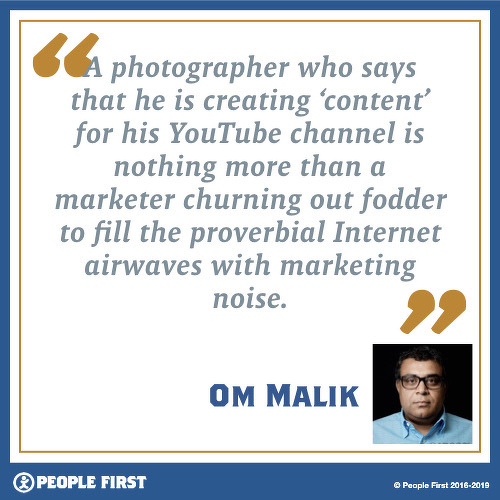
🔗 Om on content, it’s as if I wrote it - not with the natural flow of Om - but definitely 🖇️🔎 the subject matter.
🎈033/366 | 🥇 And The Winner Is …

This 366 project is officially one month in, so I thought I’d take a look at how we are doing on the ‘view’ front .. I won’t use ‘read’ (no assumptions here 😀).. so, without further ado, and for your delectation, coming in at Number 5 …
5 : 🖇️ 013/366 ⌨️ Typewriters .. and more.
And so on down the line …
4 : 🖇️ 026/366 | 🆔 The ‘entity’ in Identity.
3 : 🖇️ 004/366 | 🏢 Demonstrating The Pace Layer).
2 : 🖇️ 003/366 | 💬 A New Purpose.
And the winner - at least for this month, coming in at number …
1 : 🖇️ 002/366 | ♟️ Is There Planning In Strategy❓
Thoughts
Numbers 1, 2 and 3 are respectively the 2nd, 3rd and 4th posts in the series, so not surprised.
I am surprised at the 26th post coming as high as 4th, after all, It only had 5 days to get there.
By the time you get down to Number 5 - well, it’s a topic that resonates, and had a full half month to ‘move on up’, so once again, no real surprise.
I will run the numbers again next month, for February - and again for January - and will also provide a ‘year to date’. Be interesting to see the comparisons. (BTW, I am specifically running the data between specific dates - in this case for example Jan 1 to Jan 31 - not just ‘last month’.)
I am also interested to see if this posts gives a jump on these particular posts, so I will check the data in 7 days.
That’s all for now - except to say, my many thanks to 🔗 Vincent who wrote and maintains the 🔗 tinylytics app that in turn produces the data I need to write this email. Couldn’t do without it.

🎈004/366 | 🏢 Demonstrating The Pace Layer

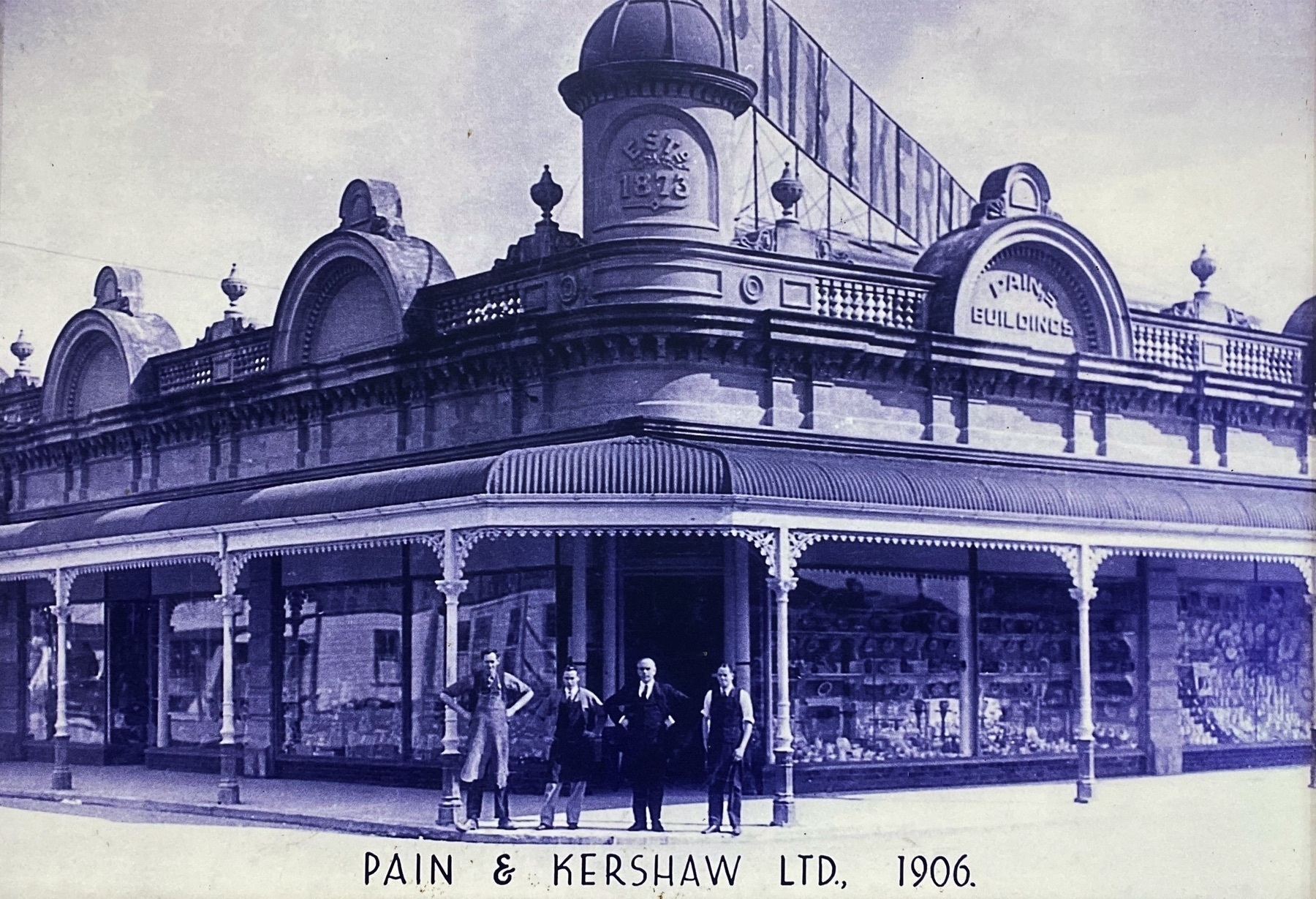
Over the break, I had the fortune (not committing to whether that’s good or bad, since that is a whole different story) to visit Martinborough in the Wairarapa - one of New Zealand’s wine regions. It’s a cute little town that includes a single ‘supermarket’.
On one visit I noticed two photographs on the wall - the building from the early part of the last century, photographed in 1906 ….
… and a second of a different building (same site) in 1949.
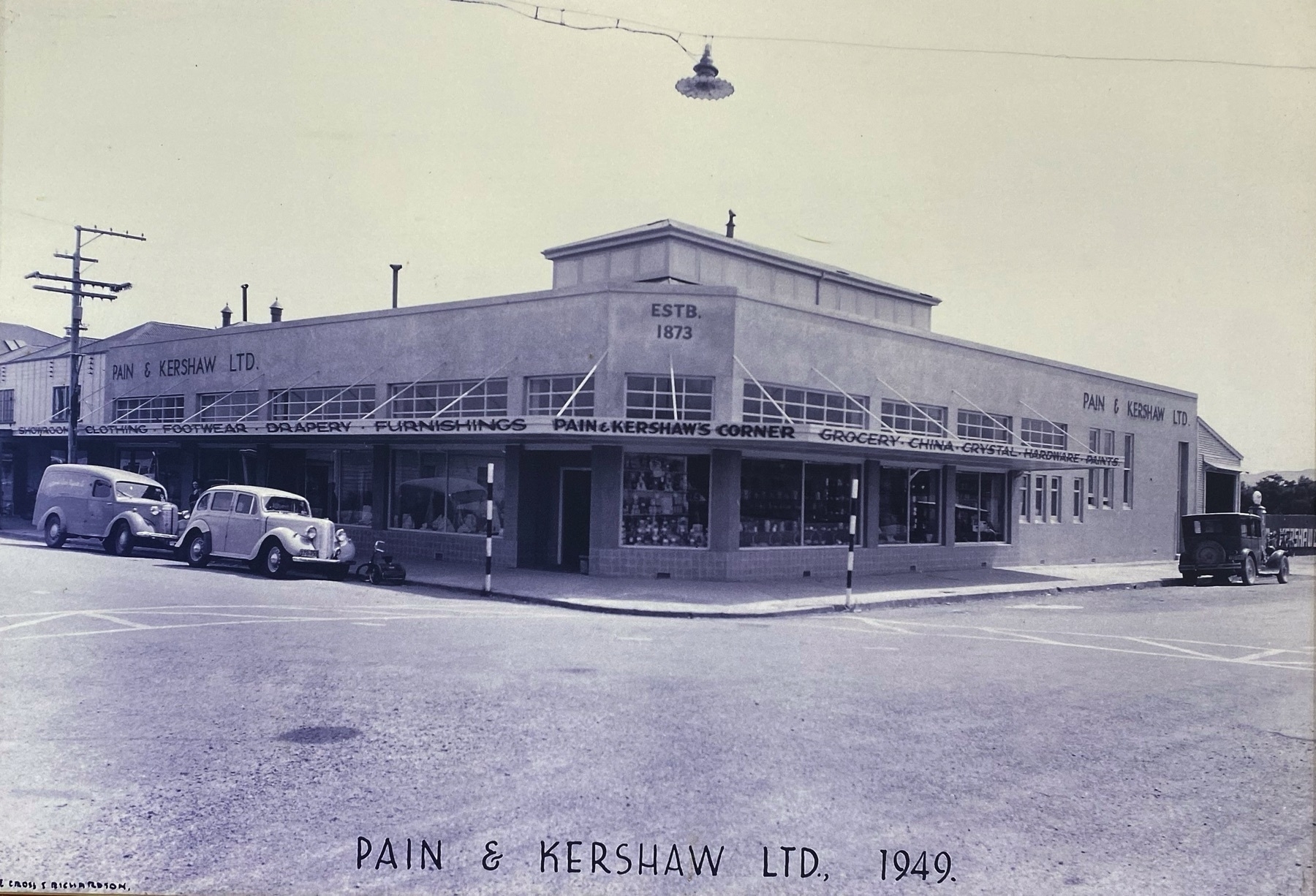
As I took the photographs of the photographs, I commented to a couple passing by and watching me that it was a shame that a beautiful building such as the original was replaced by the ‘flat pack’.
I assumed that some bright spark had decided to pull the old one down in favor of the ‘modern, sleek lined building’.
Never assume.
Yes the old one was pulled down - but after a major earthquake rendered part of it flat and part of it unsafe - and I get why you would want to modernize and I know why the designs changed - but that’s not what this is about.
What it’s about is that the photographs and conversation reminded me of a 🔗 recent post from Stowe Boyd that referenced Stewart Brand’s book 🔗 How Buildings Learn which in turn built on the ideas of British architect Frank Duffy.
Buildings aren’t made out of glass, concrete and stone: they’re made out of time, layers of time.
💬 Frank Duffy
Brand’s model is clear;
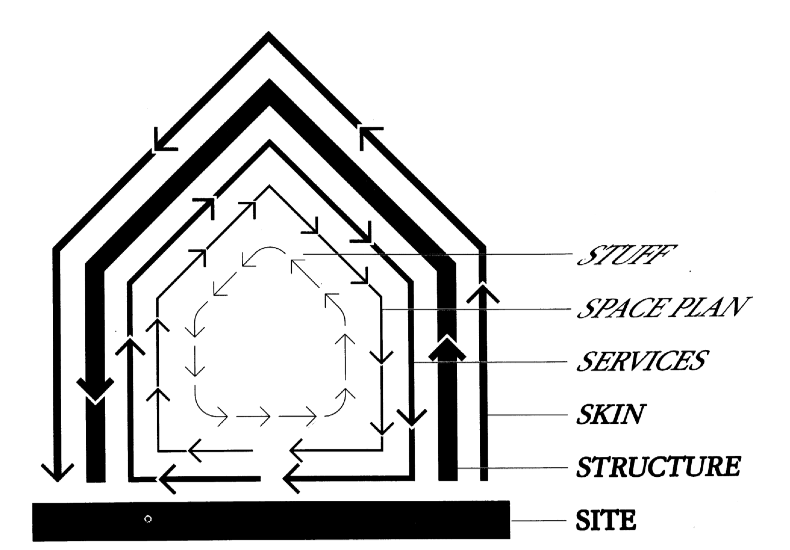
… and the two images reveal it in action. No images from the inside of the store - though for the Kiwi’s amongst you, I can say that the Martinborough FourSquare is the nicest (and largest) FourSquare I have ever visited. (For Brits, think of a FourSquare as something like one of those Tesco or Safeways Mini-marts we find in ever increasing numbers around the British Isles. Think of the Martinborough Foursquare as more akin to a mid sized Waitrose. For American readers … Wholefoods? High end Safeways?
All that said - look at Brand’s model carefully and consider buildings you know and how they relate.